THE ADVENTURE COLLECTIVE® · Independent discovery and booking for outdoor travel

Trade crowded beaches for mountain chapels, Minoan wine presses and a shepherd’s lunch on a private full-day tour from Heraklion. This route threads ancient sites and living village life across Crete’s limestone foothills.
Trade crowded beaches for mountain chapels, Minoan wine presses and a shepherd’s lunch on a private full-day tour from Heraklion. This route threads ancient sites and living village life across Crete’s limestone foothills.
A low-angle late-morning light cuts across terraces of olive trees as your van climbs from Heraklion toward the Psiloritis foothills. Stone villages sit on wind-sculpted ridges; a shepherd’s dog barks, and a chapel bell measures the day. The tour moves deliberately — short walks between archaeological remains, churches, and working farms — so the land and its people set the rhythm.
Verified experiences and guided adventures in the surrounding area.
Operated by Tours in Heraklion · Heraklion, Crete
A low-angle late-morning light cuts across terraces of olive trees as your van climbs from Heraklion toward the Psiloritis foothills. Stone villages sit on wind-sculpted ridges; a shepherd’s dog barks, and a chapel bell measures the day. The tour moves deliberately — short walks between archaeological remains, churches, and working farms — so the land and its people set the rhythm.
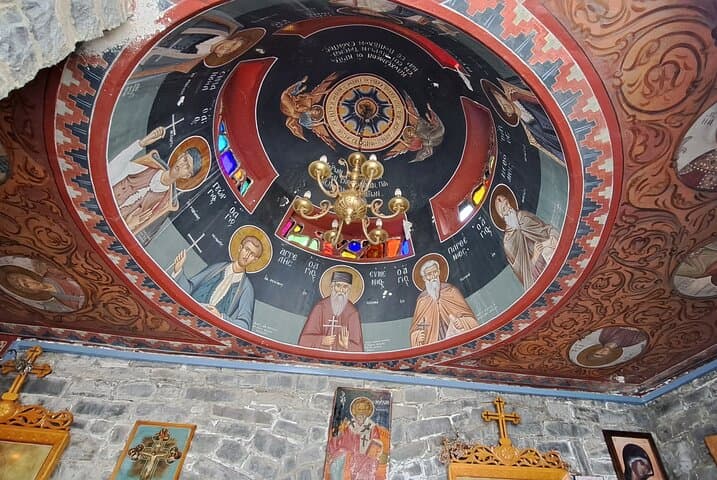
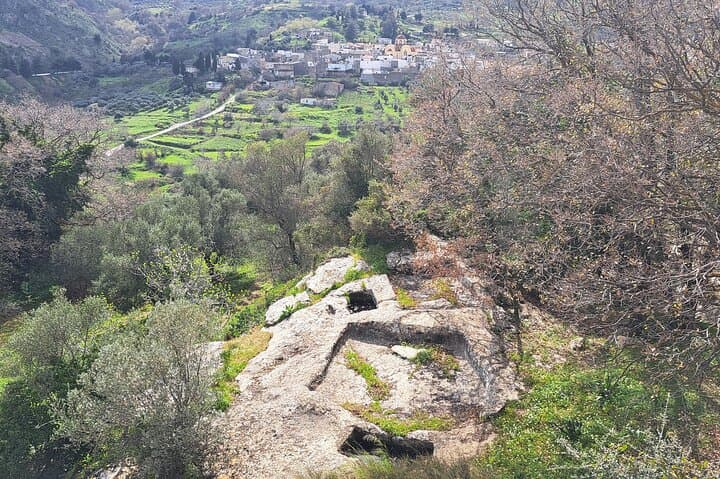
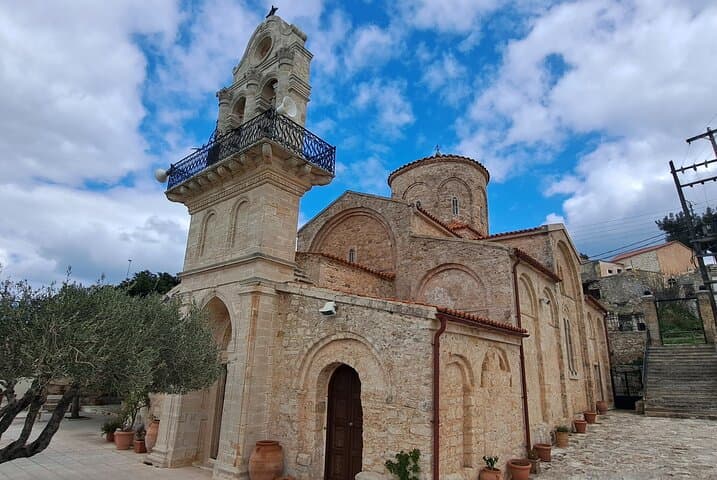
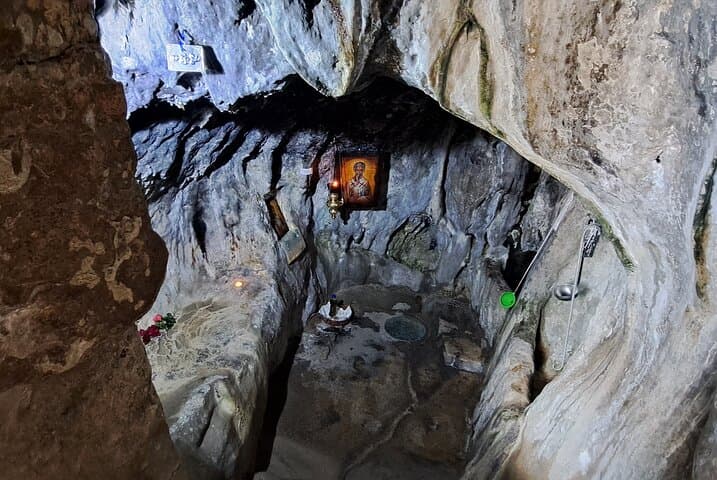
This part of Crete is limestone bedrock weathered into rolling plateaus and sharp gorges, where Minoan presses and Roman tombs still speak to continuous human connection with the soil. Villages like Ano Asites and Gergeri show layers of history: Minoan agriculture, Roman funerary sites, Byzantine faith, and Venetian-era architecture shaped by mountain climates and centuries of olive cultivation.
Culturally the route emphasizes living traditions — olive oil production, local raki and wine, and hospitality in a shepherd’s house in Kamares where lunch is cooked over wood fire. Geology and climate explain the sparse pines, thick scrub, and terraced vineyards; seasonal winds push clouds across wide horizons and carve the landscape’s visible lines.
Practical details: expect a private Mercedes-Benz van, full-day pickup from Heraklion, and several short, mostly easy walks (stairs and uneven stone lanes common). Carry sunscreen, comfortable shoes, and a reusable water bottle; bring modest cash for small village purchases. The pace is gentle but uneven underfoot — perfect for travelers who want authentic encounters and quiet viewpoints rather than strenuous hiking.
easy.
7–8 hours.
Suitable for most fitness levels; requires getting in/out of a van and short walks on uneven ground.
This private experience runs about 7–8 hours with pickup and drop-off in Heraklion (hotel, port or airport).
Walking is light to moderate: short strolls through villages, short uneven paths at archaeological sites, and brief uphill approaches to viewpoints.
A traditional shepherd’s house lunch and refreshments (coffee/water) are included; alcoholic drinks at lunch may be provided according to the tour description.
Yes — the tour notes stroller accessibility and infant seats, though some village lanes have cobbles and steps where assistance may be needed.
Central Crete holds continuous occupation from Minoan palaces through Roman and Byzantine periods; rural villages preserve agricultural practices shaped over millennia.
Support local producers and avoid disturbing ancient ruins or olive groves; pack out waste and favor tours that pay village hosts directly.
Tours in Heraklion operates guided outdoor trips and adventures with an emphasis on safety, stewardship, and memorable experiences.
A low-angle late-morning light cuts across terraces of olive trees as your van climbs from Heraklion toward the Psiloritis foothills. Stone villages sit on wind-sculpted ridges; a shepherd’s dog barks, and a chapel bell measures the day. The tour moves deliberately — short walks between archaeological remains, churches, and working farms — so the land and its people set the rhythm.
A low-angle late-morning light cuts across terraces of olive trees as your van climbs from Heraklion toward the Psiloritis foothills. Stone villages sit on wind-sculpted ridges; a shepherd’s dog barks, and a chapel bell measures the day. The tour moves deliberately — short walks between archaeological remains, churches, and working farms — so the land and its people set the rhythm.
This part of Crete is limestone bedrock weathered into rolling plateaus and sharp gorges, where Minoan presses and Roman tombs still speak to continuous human connection with the soil. Villages like Ano Asites and Gergeri show layers of history: Minoan agriculture, Roman funerary sites, Byzantine faith, and Venetian-era architecture shaped by mountain climates and centuries of olive cultivation.
Culturally the route emphasizes living traditions — olive oil production, local raki and wine, and hospitality in a shepherd’s house in Kamares where lunch is cooked over wood fire. Geology and climate explain the sparse pines, thick scrub, and terraced vineyards; seasonal winds push clouds across wide horizons and carve the landscape’s visible lines.
Practical details: expect a private Mercedes-Benz van, full-day pickup from Heraklion, and several short, mostly easy walks (stairs and uneven stone lanes common). Carry sunscreen, comfortable shoes, and a reusable water bottle; bring modest cash for small village purchases. The pace is gentle but uneven underfoot — perfect for travelers who want authentic encounters and quiet viewpoints rather than strenuous hiking.