THE ADVENTURE COLLECTIVE® · Independent discovery and booking for outdoor travel

Spend a relaxed half-day from Chania sampling native Cretan wines and standing beneath the 3,000-year-old Olive Tree of Vouves. This semi-private experience pairs vineyard tasting with a concise museum visit, offering cultural and culinary insight in three to four hours.
Spend a relaxed half-day from Chania sampling native Cretan wines and standing beneath the 3,000-year-old Olive Tree of Vouves. This semi-private experience pairs vineyard tasting with a concise museum visit, offering cultural and culinary insight in three to four hours.
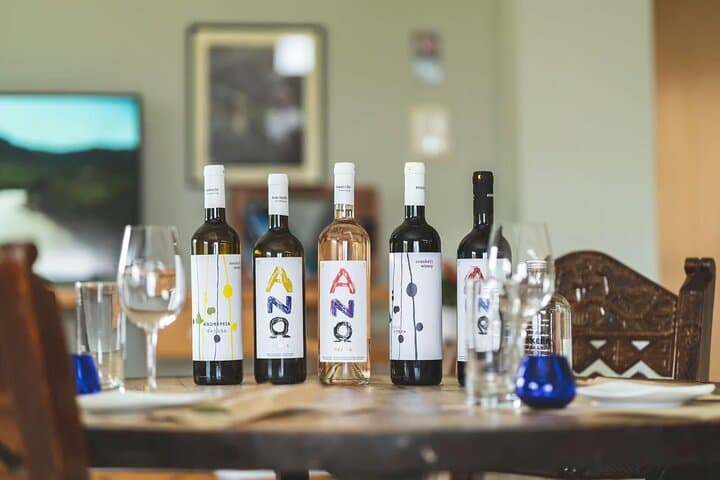
A narrow country road sweeps you out of Chania’s bustle and into a patchwork of sunburnt hills, low vineyards, and shuttered stone houses. The air tastes of sea and herb; vine leaves whisper as you step into a family-run winery where an expert pours wines shaped by limestone soils and island breezes. You walk between orderly rows of Vidiano and Kotsifali, tasting grapes that have adapted to hot summers and sparse rain.
Verified experiences and guided adventures in the surrounding area.
Operated by Heliophilia | Back to Nature · Chania, Crete
A narrow country road sweeps you out of Chania’s bustle and into a patchwork of sunburnt hills, low vineyards, and shuttered stone houses. The air tastes of sea and herb; vine leaves whisper as you step into a family-run winery where an expert pours wines shaped by limestone soils and island breezes. You walk between orderly rows of Vidiano and Kotsifali, tasting grapes that have adapted to hot summers and sparse rain.
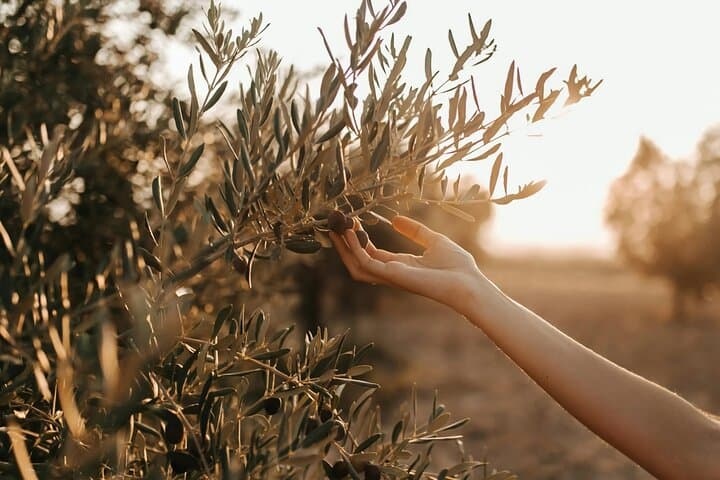
The tour pairs this living vineyard with a visit to the Olive Tree of Vouves, a living relic that still bears fruit after millennia. The tree and the small Olive Museum beside it trace olive cultivation from Minoan press tools to modern extraction—evidence of why olive oil is more than food here; it’s an economic and cultural mainstay. Geologically, Crete’s karstified hills drain quickly, concentrating nutrients on terraces that vintners and olive growers have shaped for centuries.
Expect a calm, semi-private rhythm: a guided tasting that explains organic practices, a short museum walkthrough, and a photo stop under the gnarled canopy of the ancient tree. Practicalities matter—bring sun protection, a reusable bottle, and comfortable shoes for uneven village squares. The half-day format makes this an easy add-on to a broader Chania itinerary and suitable for most fitness levels, though alcohol guidelines apply to minors and pregnant travelers. By the end you’ll have a grounded sense of how wine and olive oil anchor Cretan life—sensory, historical, and quietly resilient.
easy.
3–4 hours.
Suitable for most people who can walk short distances and stand for tastings
Yes—the itinerary lists admission to the Olive Tree of Vouves and the adjacent Olive Museum as included.
Yes—infants and small children can join; however, wine tasting is for adults only and infant seats are available on request.
Most bookings offer pickup options—confirm your pickup point when you book, as some departures require meeting at a set location.
Pregnant travelers can join the tour but are advised to abstain from alcohol during the wine tasting portion.
Olive cultivation in Crete stretches back to Minoan times; the Vouves tree and the Olive Museum illustrate techniques and tools used across millennia.
The Vouves site is actively protected and the winery emphasizes organic practices to reduce chemical runoff and preserve terraced soils.
Heliophilia | Back to Nature operates guided outdoor trips and adventures with an emphasis on safety, stewardship, and memorable experiences.
A narrow country road sweeps you out of Chania’s bustle and into a patchwork of sunburnt hills, low vineyards, and shuttered stone houses. The air tastes of sea and herb; vine leaves whisper as you step into a family-run winery where an expert pours wines shaped by limestone soils and island breezes. You walk between orderly rows of Vidiano and Kotsifali, tasting grapes that have adapted to hot summers and sparse rain.
A narrow country road sweeps you out of Chania’s bustle and into a patchwork of sunburnt hills, low vineyards, and shuttered stone houses. The air tastes of sea and herb; vine leaves whisper as you step into a family-run winery where an expert pours wines shaped by limestone soils and island breezes. You walk between orderly rows of Vidiano and Kotsifali, tasting grapes that have adapted to hot summers and sparse rain.
The tour pairs this living vineyard with a visit to the Olive Tree of Vouves, a living relic that still bears fruit after millennia. The tree and the small Olive Museum beside it trace olive cultivation from Minoan press tools to modern extraction—evidence of why olive oil is more than food here; it’s an economic and cultural mainstay. Geologically, Crete’s karstified hills drain quickly, concentrating nutrients on terraces that vintners and olive growers have shaped for centuries.
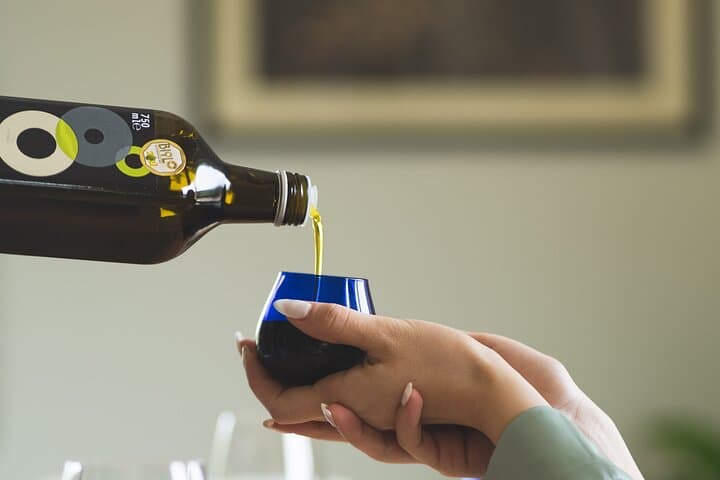
Expect a calm, semi-private rhythm: a guided tasting that explains organic practices, a short museum walkthrough, and a photo stop under the gnarled canopy of the ancient tree. Practicalities matter—bring sun protection, a reusable bottle, and comfortable shoes for uneven village squares. The half-day format makes this an easy add-on to a broader Chania itinerary and suitable for most fitness levels, though alcohol guidelines apply to minors and pregnant travelers. By the end you’ll have a grounded sense of how wine and olive oil anchor Cretan life—sensory, historical, and quietly resilient.