THE ADVENTURE COLLECTIVE® · Independent discovery and booking for outdoor travel

Spend a private day from Chania exploring hilltop fortresses, family-run olive mills, a folklore museum, and a winery—fully accessible and all-inclusive. This tour mixes cultural history, hands-on tastings, and easy walking across village lanes.
Spend a private day from Chania exploring hilltop fortresses, family-run olive mills, a folklore museum, and a winery—fully accessible and all-inclusive. This tour mixes cultural history, hands-on tastings, and easy walking across village lanes.
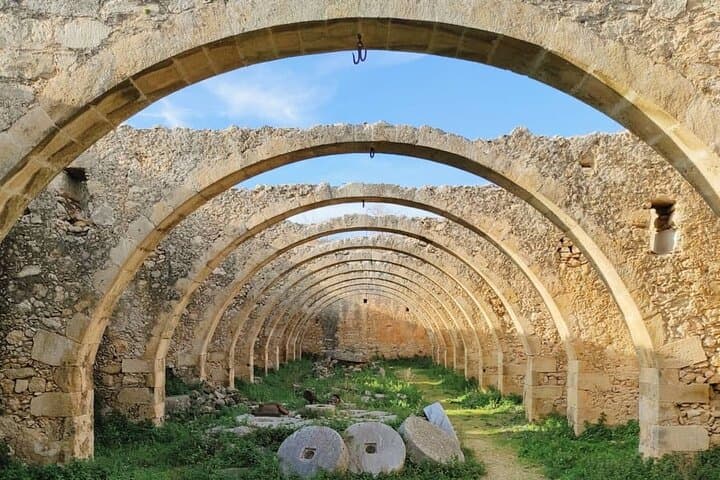
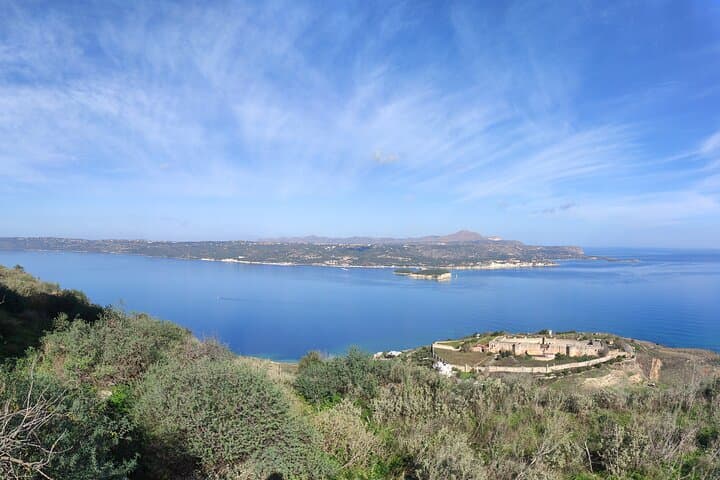
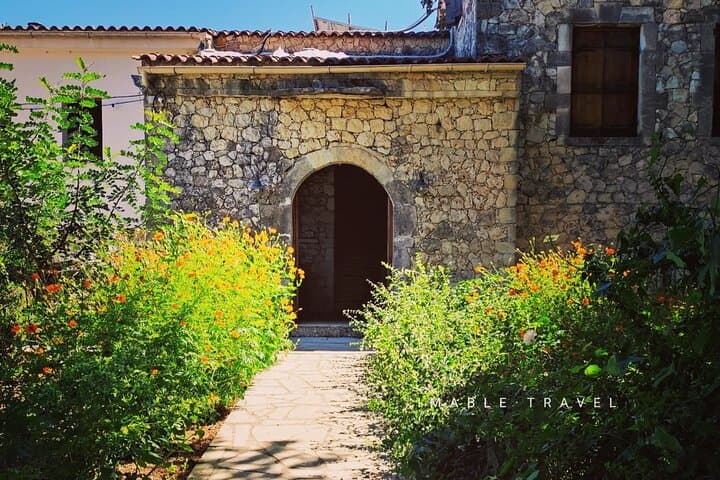
You step out of Chania’s air-conditioned vehicle into a sunlit plateau where olive trees lean toward the sea, and the wind pulls a briny note from Souda Bay. The day unfolds like a local story: a ruined Venetian fortress sweeping views across the White Mountains, a family-run olive mill alive with the scent of freshly pressed oil, and a small village museum where handmade textiles keep old rhythms in plain sight.
Verified experiences and guided adventures in the surrounding area.
Operated by IMable Travel - Private Tours in Crete · Chania, Crete
You step out of Chania’s air-conditioned vehicle into a sunlit plateau where olive trees lean toward the sea, and the wind pulls a briny note from Souda Bay. The day unfolds like a local story: a ruined Venetian fortress sweeping views across the White Mountains, a family-run olive mill alive with the scent of freshly pressed oil, and a small village museum where handmade textiles keep old rhythms in plain sight.
This route threads history and geology—Aptera’s strategic hilltop position has watched Mediterranean trade routes and wartime movements for millennia, while the limestone ridges of the White Mountains bear fossilized reminders of an ancient seabed. Culture here is tactile: olive groves are community property in practice if not always on paper, monasteries preserve Venetian and Byzantine architecture, and Cretan viticulture dates back centuries with local grape varieties adapted to dry summers and calcareous soils.
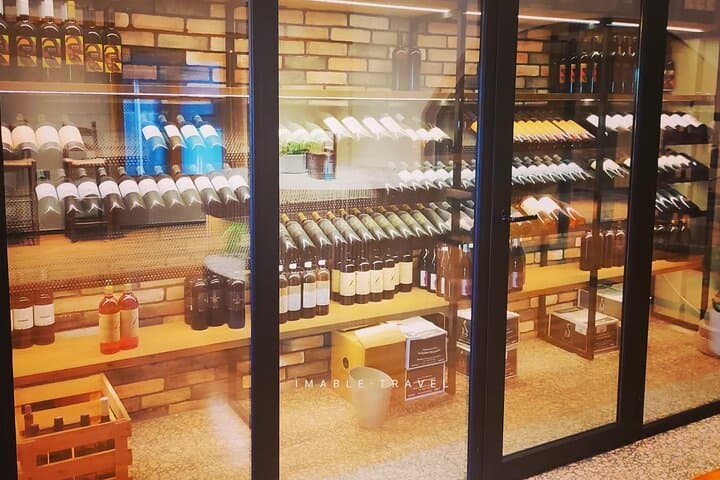
Practical guidance comes with warmth. The tour is private, fully wheelchair-accessible, and runs about 7–8 hours with short, guided stops: fortress viewpoints, an olive oil tasting, the Folklore Museum of Gavalochori, a monastery visit, and a winery tasting or traditional lunch. Expect intermittent walking on paved village lanes and compacted earth; bring sun protection and comfortable shoes. Hydration matters—Cretan sun can be relentless by midday—and tasting portions at the winery mean you can enjoy local wine without overcommitting.
Timing your day for morning light at hilltop ruins and a relaxed winery afternoon makes the itinerary feel unhurried. It’s a practical, sensory way to meet Crete’s agricultural heart and people who still measure life in harvests.
easy.
7–8 hours.
Suitable for most fitness levels; comfortable walking for short periods and getting on/off the vehicle is required.
Yes. The vehicle and most stops are wheelchair-accessible—notify the operator of specific needs when booking so they can prepare.
Yes. The itinerary offers either a guided wine tasting or a traditional Cretan lunch; indicate your preference during booking.
Walking is limited to short, guided strolls at each stop—usually 15–45 minutes—on paved village streets and compacted paths.
All fees, museum admissions, olive oil and wine tastings, refreshments, and lunch (if chosen) are included in the price.
Aptera and surrounding villages sit on crossroads of Venetian, Ottoman, and Byzantine influence; olive cultivation has shaped local life for thousands of years.
Local producers emphasize small-batch olive oil and sustainable viticulture; visitors can reduce impact by staying on paths and avoiding single-use plastics.
IMable Travel - Private Tours in Crete operates guided outdoor trips and adventures with an emphasis on safety, stewardship, and memorable experiences.
You step out of Chania’s air-conditioned vehicle into a sunlit plateau where olive trees lean toward the sea, and the wind pulls a briny note from Souda Bay. The day unfolds like a local story: a ruined Venetian fortress sweeping views across the White Mountains, a family-run olive mill alive with the scent of freshly pressed oil, and a small village museum where handmade textiles keep old rhythms in plain sight.
You step out of Chania’s air-conditioned vehicle into a sunlit plateau where olive trees lean toward the sea, and the wind pulls a briny note from Souda Bay. The day unfolds like a local story: a ruined Venetian fortress sweeping views across the White Mountains, a family-run olive mill alive with the scent of freshly pressed oil, and a small village museum where handmade textiles keep old rhythms in plain sight.
This route threads history and geology—Aptera’s strategic hilltop position has watched Mediterranean trade routes and wartime movements for millennia, while the limestone ridges of the White Mountains bear fossilized reminders of an ancient seabed. Culture here is tactile: olive groves are community property in practice if not always on paper, monasteries preserve Venetian and Byzantine architecture, and Cretan viticulture dates back centuries with local grape varieties adapted to dry summers and calcareous soils.
Practical guidance comes with warmth. The tour is private, fully wheelchair-accessible, and runs about 7–8 hours with short, guided stops: fortress viewpoints, an olive oil tasting, the Folklore Museum of Gavalochori, a monastery visit, and a winery tasting or traditional lunch. Expect intermittent walking on paved village lanes and compacted earth; bring sun protection and comfortable shoes. Hydration matters—Cretan sun can be relentless by midday—and tasting portions at the winery mean you can enjoy local wine without overcommitting.
Timing your day for morning light at hilltop ruins and a relaxed winery afternoon makes the itinerary feel unhurried. It’s a practical, sensory way to meet Crete’s agricultural heart and people who still measure life in harvests.