THE ADVENTURE COLLECTIVE® · Independent discovery and booking for outdoor travel

A private jeep day through inland Rethymno that pairs hands-on honey and cheese demonstrations with visits to mountain monasteries and a traditional shepherd's mitato. Expect dusty tracks, thyme-scented air, and authentic Cretan flavors.
A private jeep day through inland Rethymno that pairs hands-on honey and cheese demonstrations with visits to mountain monasteries and a traditional shepherd's mitato. Expect dusty tracks, thyme-scented air, and authentic Cretan flavors.
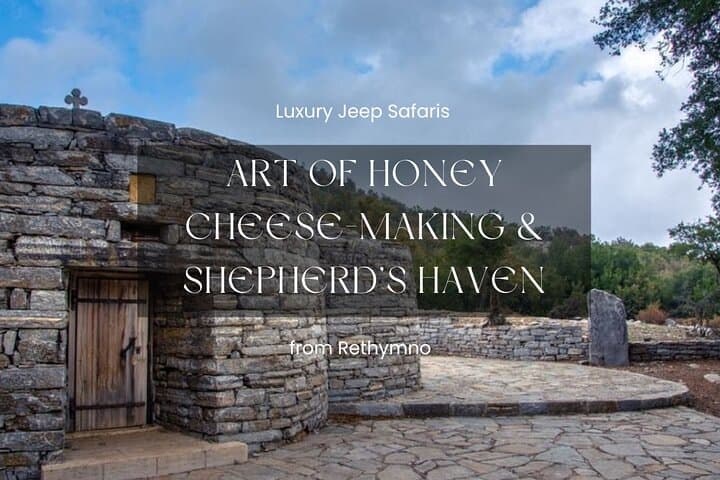
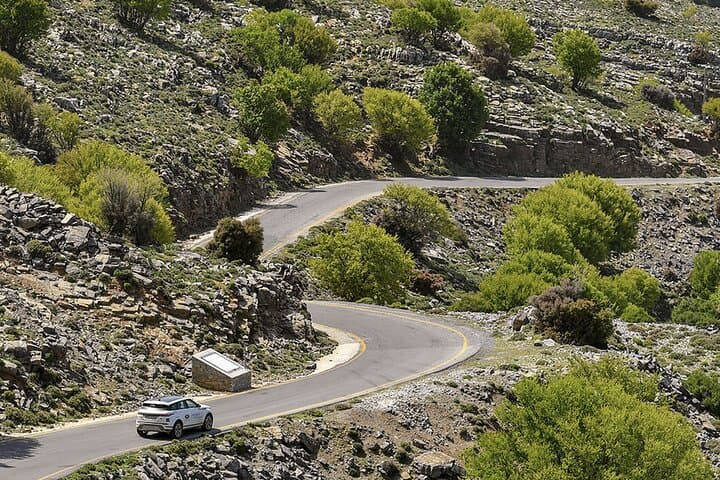
Dust from the jeep rises as the coast slips behind you and the mountains tighten around the road. The first stop, the Apithano Honey Museum, smells of warm wax and thyme; jars on the shelf glisten like small suns. From there the route climbs onto folded limestone ridges, olive groves giving way to goat-pocked slopes and the squat stone mitato where cheese is still heated and stretched by hand.
Verified experiences and guided adventures in the surrounding area.
Operated by Crete Private & Luxury Tours by Snami Travel · Rethymno, Crete
Dust from the jeep rises as the coast slips behind you and the mountains tighten around the road. The first stop, the Apithano Honey Museum, smells of warm wax and thyme; jars on the shelf glisten like small suns. From there the route climbs onto folded limestone ridges, olive groves giving way to goat-pocked slopes and the squat stone mitato where cheese is still heated and stretched by hand.
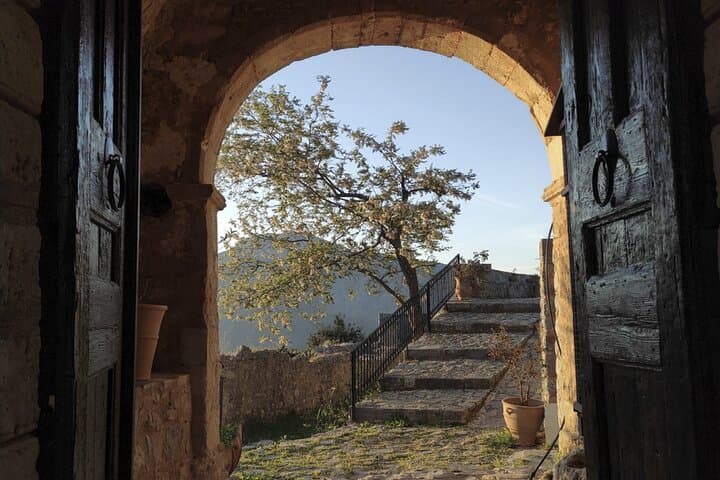
Crete’s landscape is written in stone: Minoan terraces, karst limestone that channels winter rains into springs, and ridgelines that once guided shepherds and merchants. Halepa Monastery sits above a valley that remembers Ottoman rule and local uprisings, its walls bearing scars of resistance and care. The island’s foodways—thyme honey, mizithra, graviera, and raki—are practical innovations born of scarcity and skill.
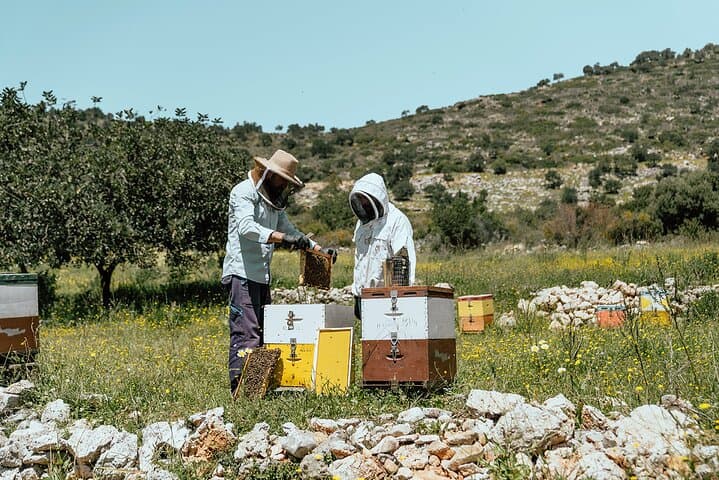
Expect mostly dirt tracks and short, steep walks around the mitato; elevation shifts are moderate but frequent as you move between valley floor and hilltop viewpoints. The day combines hands-on demonstrations (cheese-making, honey tasting) with easy, scenic stops—ideal for travelers who want tactile, local experiences without demanding trekking.
Plan for sun and dust: sturdy shoes, layered clothing for wind on exposed ridges, and a refillable bottle. The tour is private with flexible pickup from Rethymno and runs 6–8 hours, so bring snacks if you have specific dietary needs. In short: a grounded, sensory route into Cretan craft—sweet, savory, and mineral underfoot.
easy.
6–8 hours.
Suitable for most fitness levels; involves short walks and standing during demonstrations.
Yes—the tour includes private pickup and drop-off from arranged points in Crete, typically from Rethymno-area accommodations.
Entrance and honey tastings at the museum, a shepherd’s-hut cheese demo, plus a traditional Cretan lunch are included in the price.
The itinerary is family-friendly with infant seats available, though young children should be supervised around bees and livestock.
Yes—inform the operator when booking and they will adjust the traditional lunch where possible.
The inland villages and monasteries reflect Crete’s layered past—from Minoan agricultural terraces to Byzantine and Ottoman-era resistance movements.
Local producers favor small-scale, seasonal methods—supporting them helps preserve terraced agriculture and native flora that bees rely on.
Crete Private & Luxury Tours by Snami Travel operates guided outdoor trips and adventures with an emphasis on safety, stewardship, and memorable experiences.
Dust from the jeep rises as the coast slips behind you and the mountains tighten around the road. The first stop, the Apithano Honey Museum, smells of warm wax and thyme; jars on the shelf glisten like small suns. From there the route climbs onto folded limestone ridges, olive groves giving way to goat-pocked slopes and the squat stone mitato where cheese is still heated and stretched by hand.
Dust from the jeep rises as the coast slips behind you and the mountains tighten around the road. The first stop, the Apithano Honey Museum, smells of warm wax and thyme; jars on the shelf glisten like small suns. From there the route climbs onto folded limestone ridges, olive groves giving way to goat-pocked slopes and the squat stone mitato where cheese is still heated and stretched by hand.
Crete’s landscape is written in stone: Minoan terraces, karst limestone that channels winter rains into springs, and ridgelines that once guided shepherds and merchants. Halepa Monastery sits above a valley that remembers Ottoman rule and local uprisings, its walls bearing scars of resistance and care. The island’s foodways—thyme honey, mizithra, graviera, and raki—are practical innovations born of scarcity and skill.
Expect mostly dirt tracks and short, steep walks around the mitato; elevation shifts are moderate but frequent as you move between valley floor and hilltop viewpoints. The day combines hands-on demonstrations (cheese-making, honey tasting) with easy, scenic stops—ideal for travelers who want tactile, local experiences without demanding trekking.
Plan for sun and dust: sturdy shoes, layered clothing for wind on exposed ridges, and a refillable bottle. The tour is private with flexible pickup from Rethymno and runs 6–8 hours, so bring snacks if you have specific dietary needs. In short: a grounded, sensory route into Cretan craft—sweet, savory, and mineral underfoot.