THE ADVENTURE COLLECTIVE® · Independent discovery and booking for outdoor travel

Spend a full day from Heraklion exploring Knossos, learning traditional soap-making, touring an olive mill and sampling five indigenous wines at a family winery. This private, 7–8 hour outing combines archaeology, hands-on craft, and regional food traditions.
Spend a full day from Heraklion exploring Knossos, learning traditional soap-making, touring an olive mill and sampling five indigenous wines at a family winery. This private, 7–8 hour outing combines archaeology, hands-on craft, and regional food traditions.
You step off the minivan into wind that carries the island’s dry heat and a scent of crushed herbs; stones at Knossos hold the echo of processions and ceremonies that shaped early Europe. The palace sprawls ahead—red-coloured columns, fragments of fresco, stairways that still suggest movement—while the low hills beyond the site wear terraces of olive trees that have watched generations pass.
Verified experiences and guided adventures in the surrounding area.
Operated by LocalTrips4U "Experience True Crete" · Heraklion, Crete
You step off the minivan into wind that carries the island’s dry heat and a scent of crushed herbs; stones at Knossos hold the echo of processions and ceremonies that shaped early Europe. The palace sprawls ahead—red-coloured columns, fragments of fresco, stairways that still suggest movement—while the low hills beyond the site wear terraces of olive trees that have watched generations pass.
The day moves from archaeology to craft: a hands-on soap workshop where olive oil becomes soap by patient stirring, then an olive mill tour that explains pressing and the tasting that reveals why Cretan oil is prized. Vineyards in Kounavoi roll out on sun-drunk slopes; in a family cellar you sample five indigenous wines and hear the grape stories that outlast marketing copy. Lunch in Peza focuses on simple, seasonal dishes designed to pair with those wines.
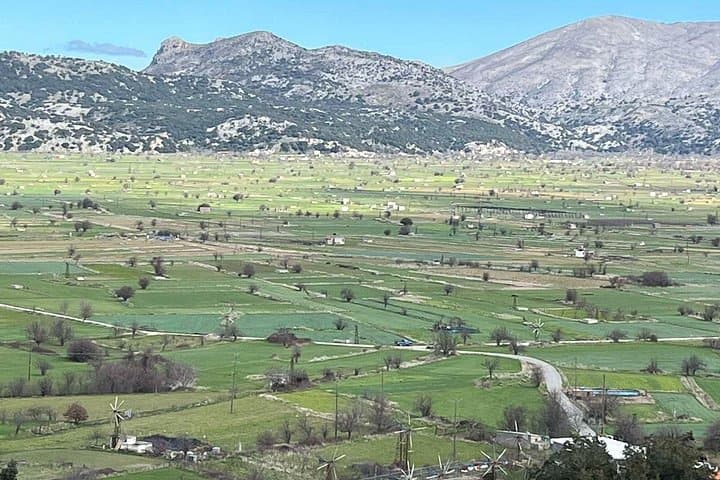
Historically, Knossos is the heart of Minoan Crete—its palaces and administrative systems anchored the island’s Bronze Age culture. Geologically, Crete’s limestone ridges and uplifted terraces create the microclimates that favor olive and vine. Culturally, agriculture and hospitality are inseparable: families still press olives and open their cellars to visitors.
Practical notes: this is a full 7–8 hour private tour with air-conditioned transport; admission to Knossos is typically purchased through Greece’s official e-ticketing. Expect easy walking on uneven ground, sun exposure, and tasting portions; bring cash or card for site tickets, a hat, and sturdy shoes. The itinerary suits travelers seeking cultural depth without strenuous hiking.
easy.
7–8 hours.
Suitable for travelers who can stand and walk on uneven ground for several short periods; no special fitness required.
No—this tour typically does not include Knossos tickets; purchase them via the Hellenic Ministry of Culture e-ticketing service to ensure entry.
The tour runs about 7–8 hours and includes private, air-conditioned transport with pickup in the Heraklion area.
Yes—the itinerary includes a cellar tour with a tasting of five indigenous varieties and a full-course traditional lunch at Peza.
The tour is labeled physically easy and children are welcome; some walking on uneven ground is required, and infant seats can be provided.
Knossos was the ceremonial and political center of the Minoan Bronze Age; olive oil and wine production have shaped rural Crete for millennia.
Respect archaeological sites and stick to marked paths; support family producers who practice traditional, low-input olive and vine farming.
LocalTrips4U "Experience True Crete" operates guided outdoor trips and adventures with an emphasis on safety, stewardship, and memorable experiences.
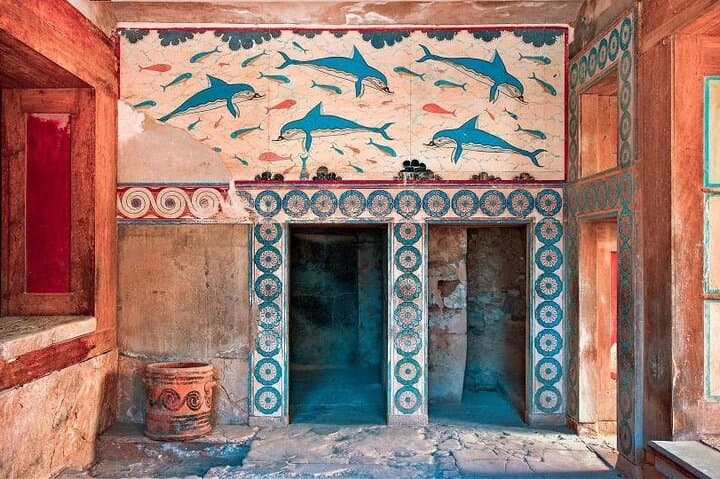
You step off the minivan into wind that carries the island’s dry heat and a scent of crushed herbs; stones at Knossos hold the echo of processions and ceremonies that shaped early Europe. The palace sprawls ahead—red-coloured columns, fragments of fresco, stairways that still suggest movement—while the low hills beyond the site wear terraces of olive trees that have watched generations pass.
You step off the minivan into wind that carries the island’s dry heat and a scent of crushed herbs; stones at Knossos hold the echo of processions and ceremonies that shaped early Europe. The palace sprawls ahead—red-coloured columns, fragments of fresco, stairways that still suggest movement—while the low hills beyond the site wear terraces of olive trees that have watched generations pass.
The day moves from archaeology to craft: a hands-on soap workshop where olive oil becomes soap by patient stirring, then an olive mill tour that explains pressing and the tasting that reveals why Cretan oil is prized. Vineyards in Kounavoi roll out on sun-drunk slopes; in a family cellar you sample five indigenous wines and hear the grape stories that outlast marketing copy. Lunch in Peza focuses on simple, seasonal dishes designed to pair with those wines.
Historically, Knossos is the heart of Minoan Crete—its palaces and administrative systems anchored the island’s Bronze Age culture. Geologically, Crete’s limestone ridges and uplifted terraces create the microclimates that favor olive and vine. Culturally, agriculture and hospitality are inseparable: families still press olives and open their cellars to visitors.
Practical notes: this is a full 7–8 hour private tour with air-conditioned transport; admission to Knossos is typically purchased through Greece’s official e-ticketing. Expect easy walking on uneven ground, sun exposure, and tasting portions; bring cash or card for site tickets, a hat, and sturdy shoes. The itinerary suits travelers seeking cultural depth without strenuous hiking.