THE ADVENTURE COLLECTIVE® · Independent discovery and booking for outdoor travel

Cool galleries and close encounters with Mediterranean species await at Cretaquarium near Heraklion. Learn what to expect — from exhibits and conservation programs to timing and accessibility tips.
Cool galleries and close encounters with Mediterranean species await at Cretaquarium near Heraklion. Learn what to expect — from exhibits and conservation programs to timing and accessibility tips.
You step from the warm Cretan light into cool, dim galleries where Mediterranean currents are frozen in glass.
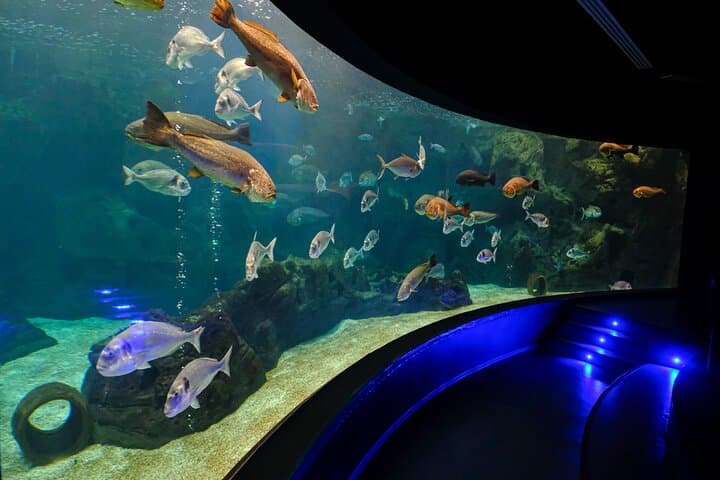
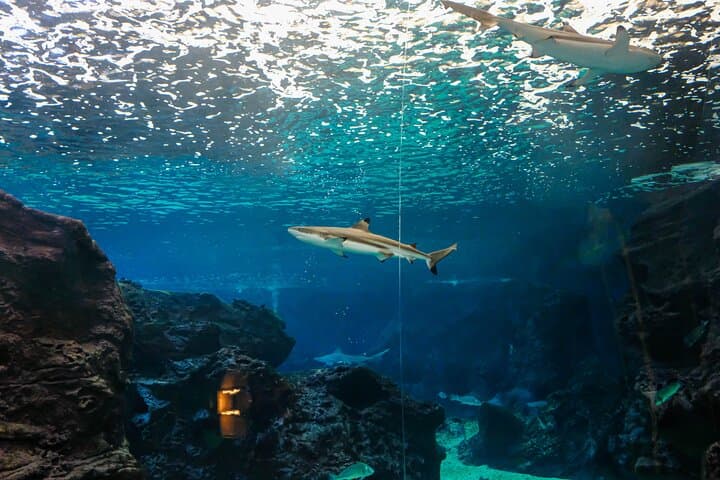
Large panoramic tanks draw you close: dusky groupers hover like guarded boulders, schools of anchovy ripple like quicksilver, and ghostly jellyfish pulse as if listening to distant tides.
Verified experiences and guided adventures in the surrounding area.
Operated by Cretaquarium of Hellenic Centre for Marine Research · Gournes, Crete
You step from the warm Cretan light into cool, dim galleries where Mediterranean currents are frozen in glass.
Large panoramic tanks draw you close: dusky groupers hover like guarded boulders, schools of anchovy ripple like quicksilver, and ghostly jellyfish pulse as if listening to distant tides.
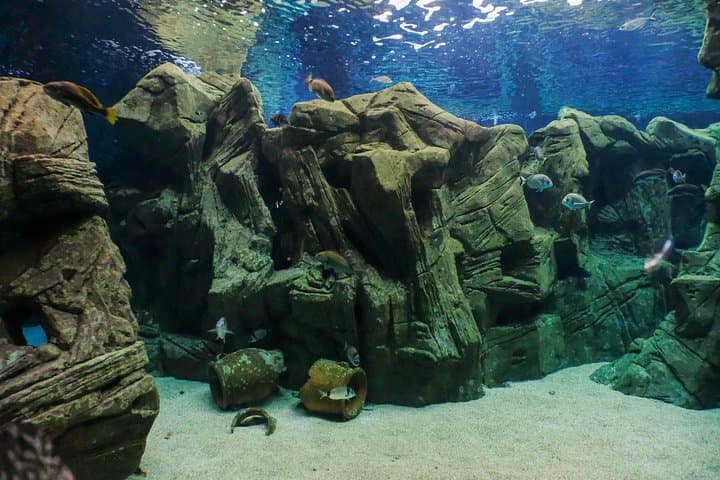
Opened in 2005 on the grounds of a former American base at Gournes, Cretaquarium focuses squarely on Mediterranean ecosystems — not tropical spectacle. Its concrete and steel halls frame geology and culture: the island’s gulfs and continental shelves are represented in layered tanks, and panels trace how Crete’s coasts shaped Minoan trade and local fisheries.
The building itself is practical rather than ornamental, designed for education and research. Staff operate recovery and release programs and run briefings that explain invasive species, overfishing, and the region’s role as a crossroads of marine life.
For visitors this means a steady mix of display tanks, themed exhibits, and short talks rather than long theatrical shows. Expect clear sightlines, accessible ramps, and a compact route that can be experienced in an hour or stretched into a half-day with breaks.
Practical guidance: exchange your mobile voucher at the entrance desk, arrive early to avoid school groups, and allow time for the optional paid audio guide. Wear comfortable shoes and take a light layer—galleries are air-conditioned. Photography is allowed without flash; feeding is handled only by staff. Public transit and parking are available nearby, and Heraklion makes a convenient base for a morning visit before heading to beaches or archaeological sites.
easy.
1–6 hours.
Suitable for all fitness levels; minimal walking and no strenuous activity
Yes — the mobile ticket must be exchanged for an entry ticket at the attraction’s ticket desk on arrival.
Yes — the facility and surfaces are wheelchair and stroller accessible; staff can advise on the best route through exhibits.
Most visitors spend 1–2 hours; allow up to 4–6 hours if you plan to attend talks, use the audio guide, or take breaks.
Feeding is performed by staff only; there are occasional presentations but direct feeding or touching of animals is not permitted.
Cretaquarium opened in 2005 on the former American base at Gournes and focuses on Mediterranean marine biodiversity and education.
The center runs rescue and rehabilitation programs, public education, and research highlighting sustainable fisheries and invasive species control in the Mediterranean.
Cretaquarium of Hellenic Centre for Marine Research operates guided outdoor trips and adventures with an emphasis on safety, stewardship, and memorable experiences.
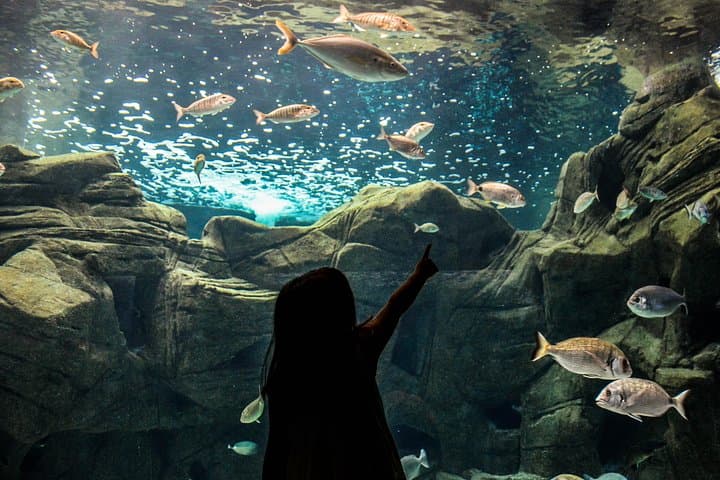
You step from the warm Cretan light into cool, dim galleries where Mediterranean currents are frozen in glass.
Large panoramic tanks draw you close: dusky groupers hover like guarded boulders, schools of anchovy ripple like quicksilver, and ghostly jellyfish pulse as if listening to distant tides.
You step from the warm Cretan light into cool, dim galleries where Mediterranean currents are frozen in glass.
Large panoramic tanks draw you close: dusky groupers hover like guarded boulders, schools of anchovy ripple like quicksilver, and ghostly jellyfish pulse as if listening to distant tides.
Opened in 2005 on the grounds of a former American base at Gournes, Cretaquarium focuses squarely on Mediterranean ecosystems — not tropical spectacle. Its concrete and steel halls frame geology and culture: the island’s gulfs and continental shelves are represented in layered tanks, and panels trace how Crete’s coasts shaped Minoan trade and local fisheries.
The building itself is practical rather than ornamental, designed for education and research. Staff operate recovery and release programs and run briefings that explain invasive species, overfishing, and the region’s role as a crossroads of marine life.
For visitors this means a steady mix of display tanks, themed exhibits, and short talks rather than long theatrical shows. Expect clear sightlines, accessible ramps, and a compact route that can be experienced in an hour or stretched into a half-day with breaks.
Practical guidance: exchange your mobile voucher at the entrance desk, arrive early to avoid school groups, and allow time for the optional paid audio guide. Wear comfortable shoes and take a light layer—galleries are air-conditioned. Photography is allowed without flash; feeding is handled only by staff. Public transit and parking are available nearby, and Heraklion makes a convenient base for a morning visit before heading to beaches or archaeological sites.