THE ADVENTURE COLLECTIVE® · Independent discovery and booking for outdoor travel

An eight-hour road trip that threads Chania’s northern highlands with the wild south coast—village breakfasts, a swim by an ancient fortress, and dinner at Lake Kournas. Expect narrow mountain roads, family-run tavernas, and a hands-on introduction to Cretan history and food.
An eight-hour road trip that threads Chania’s northern highlands with the wild south coast—village breakfasts, a swim by an ancient fortress, and dinner at Lake Kournas. Expect narrow mountain roads, family-run tavernas, and a hands-on introduction to Cretan history and food.
You step into a van in Chania as olive groves slide past the window and the road bends toward limestone ridges. By midmorning the mountains close in: sheep bells, narrow village lanes and a family-run taverna serving sfakiani pita and bitter Cretan tea. The route drops from cool plateaus to the wild south coast, where turquoise water laps against pebbled coves beneath the shadow of an old fortress.
Verified experiences and guided adventures in the surrounding area.
Operated by HappyTravellersTours & Transfers · Chania, Crete
You step into a van in Chania as olive groves slide past the window and the road bends toward limestone ridges. By midmorning the mountains close in: sheep bells, narrow village lanes and a family-run taverna serving sfakiani pita and bitter Cretan tea. The route drops from cool plateaus to the wild south coast, where turquoise water laps against pebbled coves beneath the shadow of an old fortress.
Geology here is blunt and visible—limestone peaks of the White Mountains, karst gorges and river-carved valleys that funnel rain to the Libyan Sea. History is audible in village stories: Ottoman-era rebellions, wartime resistance in the highlands and island cuisine shaped by scarcity and craft. Culture is hands-on—raki poured from a small jug, dakos crumbly under a fork, and hosts proud of recipes passed down generations.
Expect a full-day, 8-hour route with short walks in villages, a family-style breakfast, a swim on the south coast (often near Frangokastello-style ruins), and dinner by Lake Kournas. Roads are mostly paved but can be narrow; drivers are experienced with hairpins. Bring layered clothing for mountain mornings, sun protection for open coast, and a swimsuit for sudden dips.
Practical tips: confirm pickup point in Chania, notify dietary needs in advance, and carry cash for small village purchases. The tour is low-impact but supports local economies—be mindful of litter and respect quiet village customs. The trip is a compact primer on Crete: sharp geology, resilient history, and straightforward hospitality.
easy.
8 hours.
Suitable for most fitness levels; involves short village walks and a swim but no strenuous hiking
Pick-up and drop-off are available in Chania; exact pickup location is confirmed at booking.
Yes — the itinerary is paced for all ages, with minimal walking and vehicle transfers; infant seats are available on request.
Yes — the itinerary includes a swim on the south coast near an ancient fortress; conditions vary so follow your guide’s safety advice.
Local meals are included; notify the operator ahead of time for vegetarian, vegan or allergy-friendly options.
Crete’s mountains were centers of resistance through Ottoman rule and WWII; villages often preserve oral histories and unique culinary traditions.
Support small family businesses and avoid single-use plastics; stick to marked roads and paths to protect fragile karst landscapes.
HappyTravellersTours & Transfers operates guided outdoor trips and adventures with an emphasis on safety, stewardship, and memorable experiences.
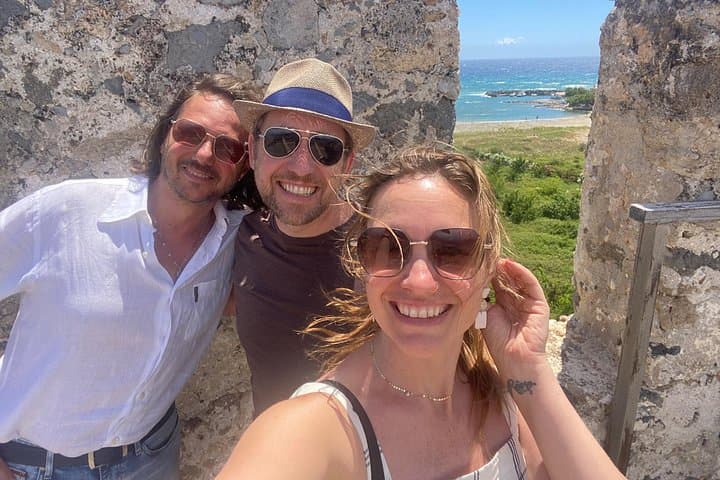
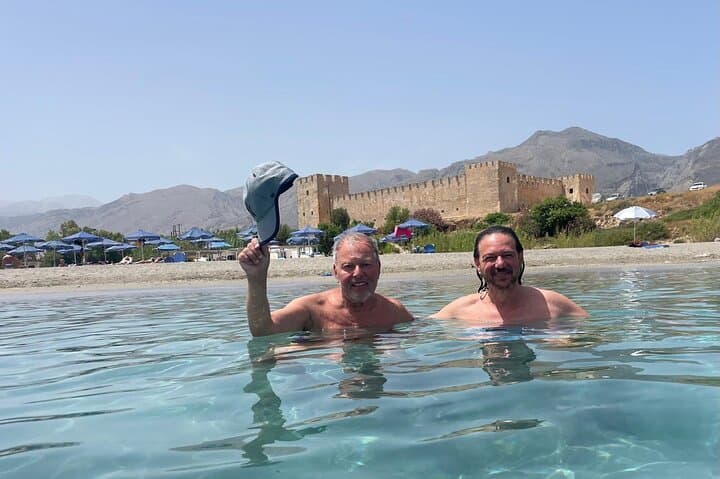
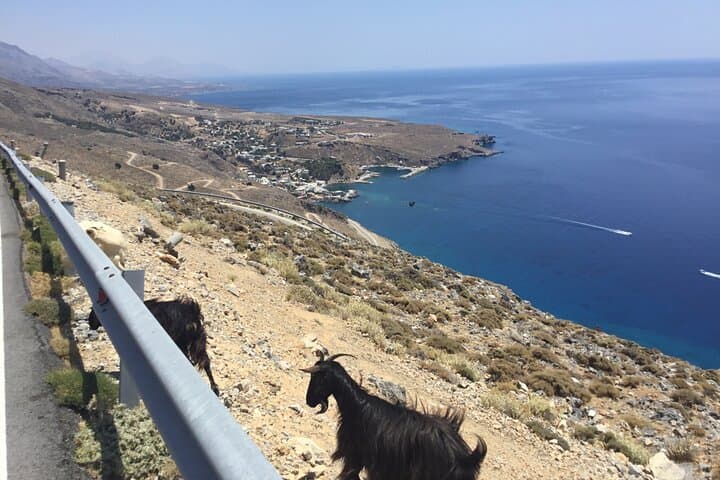
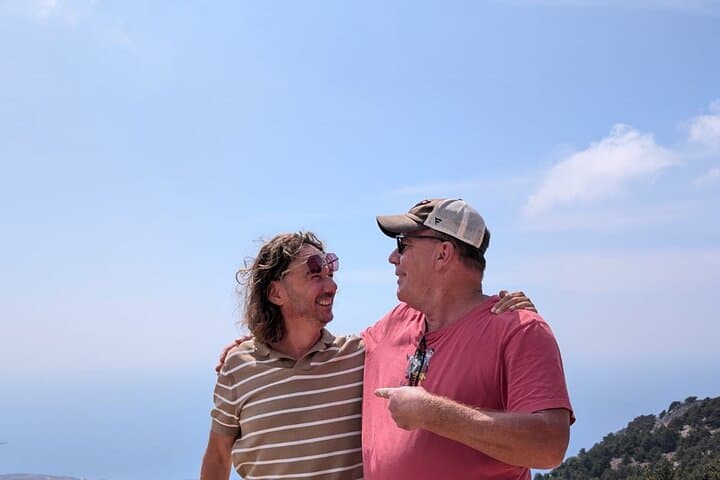
You step into a van in Chania as olive groves slide past the window and the road bends toward limestone ridges. By midmorning the mountains close in: sheep bells, narrow village lanes and a family-run taverna serving sfakiani pita and bitter Cretan tea. The route drops from cool plateaus to the wild south coast, where turquoise water laps against pebbled coves beneath the shadow of an old fortress.
You step into a van in Chania as olive groves slide past the window and the road bends toward limestone ridges. By midmorning the mountains close in: sheep bells, narrow village lanes and a family-run taverna serving sfakiani pita and bitter Cretan tea. The route drops from cool plateaus to the wild south coast, where turquoise water laps against pebbled coves beneath the shadow of an old fortress.
Geology here is blunt and visible—limestone peaks of the White Mountains, karst gorges and river-carved valleys that funnel rain to the Libyan Sea. History is audible in village stories: Ottoman-era rebellions, wartime resistance in the highlands and island cuisine shaped by scarcity and craft. Culture is hands-on—raki poured from a small jug, dakos crumbly under a fork, and hosts proud of recipes passed down generations.
Expect a full-day, 8-hour route with short walks in villages, a family-style breakfast, a swim on the south coast (often near Frangokastello-style ruins), and dinner by Lake Kournas. Roads are mostly paved but can be narrow; drivers are experienced with hairpins. Bring layered clothing for mountain mornings, sun protection for open coast, and a swimsuit for sudden dips.
Practical tips: confirm pickup point in Chania, notify dietary needs in advance, and carry cash for small village purchases. The tour is low-impact but supports local economies—be mindful of litter and respect quiet village customs. The trip is a compact primer on Crete: sharp geology, resilient history, and straightforward hospitality.