THE ADVENTURE COLLECTIVE® · Independent discovery and booking for outdoor travel

Drive over Cottonwood Pass into the high meadows and spend a day among jagged peaks, wildflower fields, and historic Crested Butte. This private tour combines scenic overlooks with short walks and a picnic lunch — ideal for photographers and nature lovers.
Drive over Cottonwood Pass into the high meadows and spend a day among jagged peaks, wildflower fields, and historic Crested Butte. This private tour combines scenic overlooks with short walks and a picnic lunch — ideal for photographers and nature lovers.
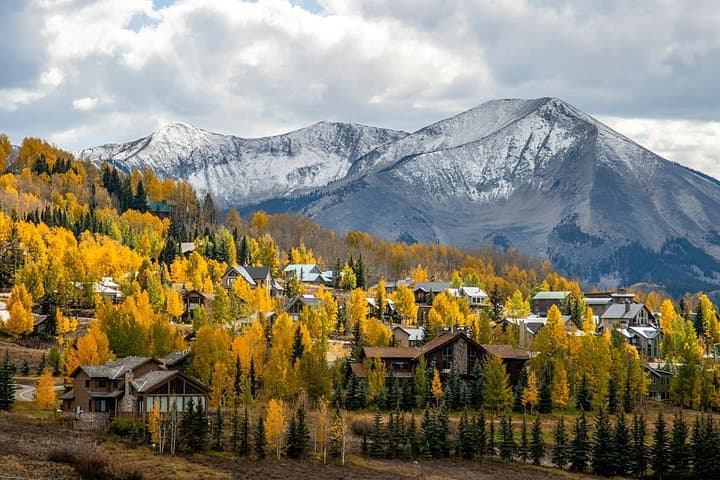
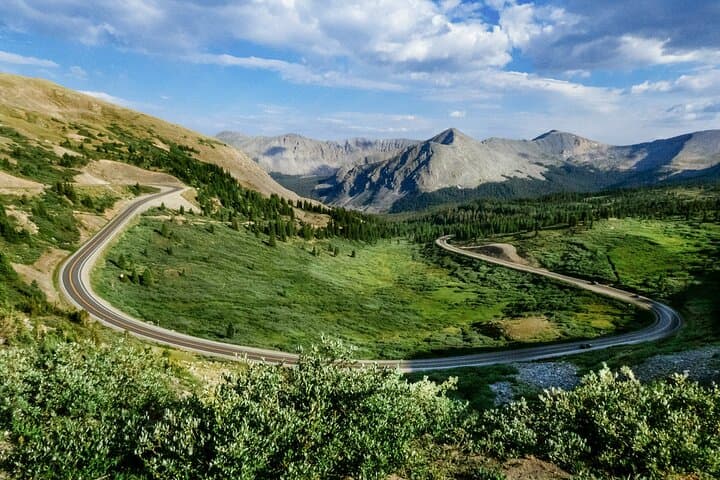
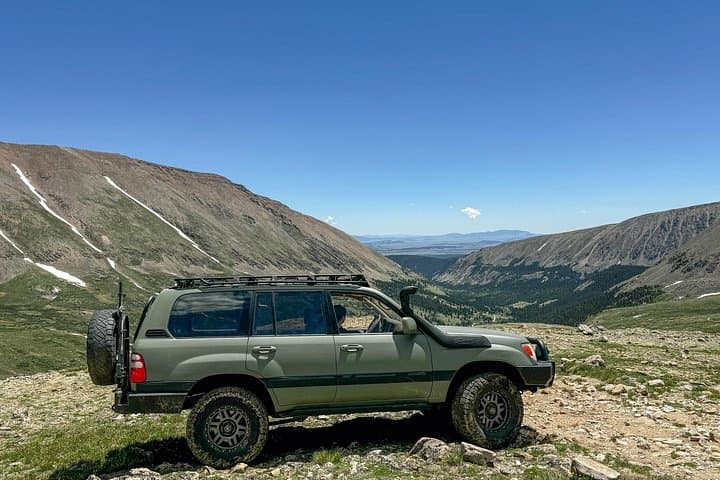
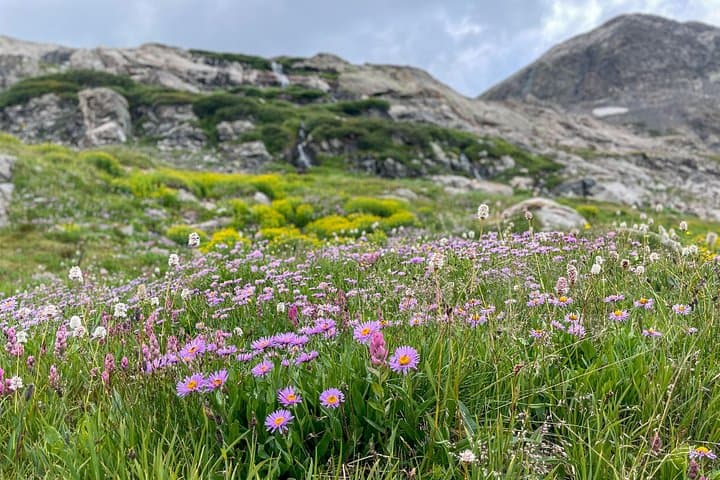
You climb out of the valley and into the thin air; the road winds through spruce and aspen, opening suddenly to an alpine bowl where meadows roll toward serrated peaks. The vehicle pauses at a high overlook — a breath of wind, a scatter of wildflowers at your feet — and the guide points out the line of ridgeline where late snow still clings.
Verified experiences and guided adventures in the surrounding area.
Operated by Ridgeline Tours · Crested Butte, Colorado
You climb out of the valley and into the thin air; the road winds through spruce and aspen, opening suddenly to an alpine bowl where meadows roll toward serrated peaks. The vehicle pauses at a high overlook — a breath of wind, a scatter of wildflowers at your feet — and the guide points out the line of ridgeline where late snow still clings.
The route follows a historic mountain corridor that once linked mining camps and ranches. Geologically, you’re crossing uplifted Precambrian and Tertiary layers carved by glaciers, with talus fields and cirque-headed valleys framing the view. Crested Butte’s downtown preserves late-19th-century Victorian storefronts from its coal-mining era; on the high meadows, native wildflowers dominate from late June through July, giving the town its working-name reputation.
Culturally, small mountain communities here balance outdoor recreation and local ranching traditions — expect friendly cafés, independent outfitters, and signage about riparian restoration along the rivers. Wildlife is visible from the road: elk and marmots are common; raptors patrol thermal updrafts.
Practical guidance: this is a full-day, private vehicle outing with short 20–60 minute stops for walks and overlooks. Cottonwood Pass summit exceeds 12,000 feet, so plan for altitude, sun, and sudden weather changes. Wear layered clothes, sturdy shoes for meadow footing, bring water and sunscreen, and keep electronics charged for photos. Restroom facilities are limited; carry hand sanitizer and a small daypack. Timing matters — mid-morning departures avoid the worst afternoon storms and the blooms are best from late June to early August. The trip is scenic rather than technical, offering accessible access to high-elevation landscapes and a concentrated taste of Colorado’s alpine ecology.
easy.
6–8 hours.
Suitable for most fitness levels — mostly vehicle-based with short moderate walks; you should be able to handle 30–60 minutes of walking at high elevation.
Expect a 6–8 hour private tour; most time is in the vehicle with multiple 20–60 minute stops for short walks, overlooks, and a picnic lunch.
Yes — the trip is vehicle-based with brief, optional walks; however, the third-row seats have limited legroom and high altitude may affect sensitive travelers.
Yes — bottled water, snacks, soda, and a picnic-style lunch are included in the tour price.
Yes — peak wildflower season is late June through early August and common wildlife sightings include elk, marmots, and raptors near meadows and rivers.
The Crested Butte area grew from 19th-century coal and silver mining; many downtown buildings date to that boom and the landscape still shows old mine cuts and historic access routes.
Wildflower meadows are fragile — stay on designated paths, avoid picking blooms, and pack out all trash; local groups also work to restore riparian zones along alpine streams.
Ridgeline Tours operates guided outdoor trips and adventures with an emphasis on safety, stewardship, and memorable experiences.
You climb out of the valley and into the thin air; the road winds through spruce and aspen, opening suddenly to an alpine bowl where meadows roll toward serrated peaks. The vehicle pauses at a high overlook — a breath of wind, a scatter of wildflowers at your feet — and the guide points out the line of ridgeline where late snow still clings.
You climb out of the valley and into the thin air; the road winds through spruce and aspen, opening suddenly to an alpine bowl where meadows roll toward serrated peaks. The vehicle pauses at a high overlook — a breath of wind, a scatter of wildflowers at your feet — and the guide points out the line of ridgeline where late snow still clings.
The route follows a historic mountain corridor that once linked mining camps and ranches. Geologically, you’re crossing uplifted Precambrian and Tertiary layers carved by glaciers, with talus fields and cirque-headed valleys framing the view. Crested Butte’s downtown preserves late-19th-century Victorian storefronts from its coal-mining era; on the high meadows, native wildflowers dominate from late June through July, giving the town its working-name reputation.
Culturally, small mountain communities here balance outdoor recreation and local ranching traditions — expect friendly cafés, independent outfitters, and signage about riparian restoration along the rivers. Wildlife is visible from the road: elk and marmots are common; raptors patrol thermal updrafts.
Practical guidance: this is a full-day, private vehicle outing with short 20–60 minute stops for walks and overlooks. Cottonwood Pass summit exceeds 12,000 feet, so plan for altitude, sun, and sudden weather changes. Wear layered clothes, sturdy shoes for meadow footing, bring water and sunscreen, and keep electronics charged for photos. Restroom facilities are limited; carry hand sanitizer and a small daypack. Timing matters — mid-morning departures avoid the worst afternoon storms and the blooms are best from late June to early August. The trip is scenic rather than technical, offering accessible access to high-elevation landscapes and a concentrated taste of Colorado’s alpine ecology.