THE ADVENTURE COLLECTIVE® · Independent discovery and booking for outdoor travel

Ride El Chepe into Copper Canyon, meet Tarahumara communities, and shop world-class Mata Ortiz pottery on a multi-day cultural expedition based in Creel. Expect short hikes to ancient cliff dwellings, scenic train passages, and immersive local cuisine.
Ride El Chepe into Copper Canyon, meet Tarahumara communities, and shop world-class Mata Ortiz pottery on a multi-day cultural expedition based in Creel. Expect short hikes to ancient cliff dwellings, scenic train passages, and immersive local cuisine.
You step off the El Chepe and the canyon exhales—dry pine smoke, dusty road, and a wind that pushes you toward the rim. The train snakes through the Sierra Madre, carving a route through red walls and high mesas until it releases you in Creel, a mountain town where lodge roofs catch late sun and the air carries the scent of roasted chilies.
Verified experiences and guided adventures in the surrounding area.
Operated by Pablo Carrillo · Creel, Chihuahua
You step off the El Chepe and the canyon exhales—dry pine smoke, dusty road, and a wind that pushes you toward the rim. The train snakes through the Sierra Madre, carving a route through red walls and high mesas until it releases you in Creel, a mountain town where lodge roofs catch late sun and the air carries the scent of roasted chilies.
This multi-day expedition threads history and geology together: 9th-century Mogollon and Casas Grandes ruins tucked into cliff faces, the volcanic and limestone geology that carved Copper Canyon’s dramatic drops, and the living culture of Tarahumara (Rarámuri) communities whose cave dwellings and crafts endure. Mata Ortiz pottery—revived designs with near-obsessive craftsmanship—offers one of northern Mexico’s quiet artistic miracles.
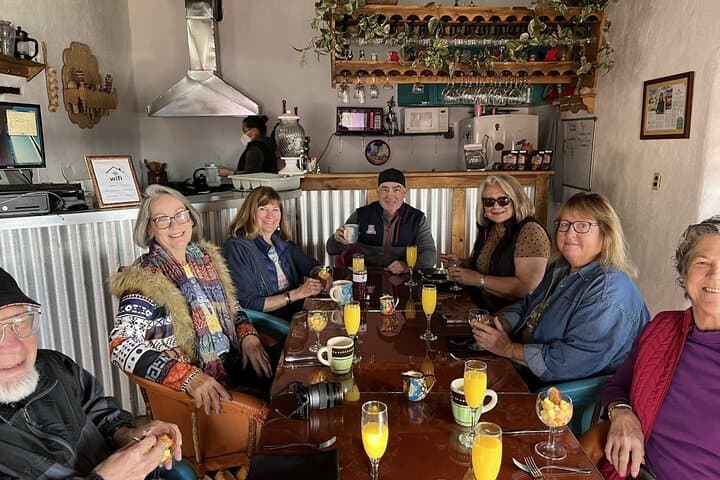
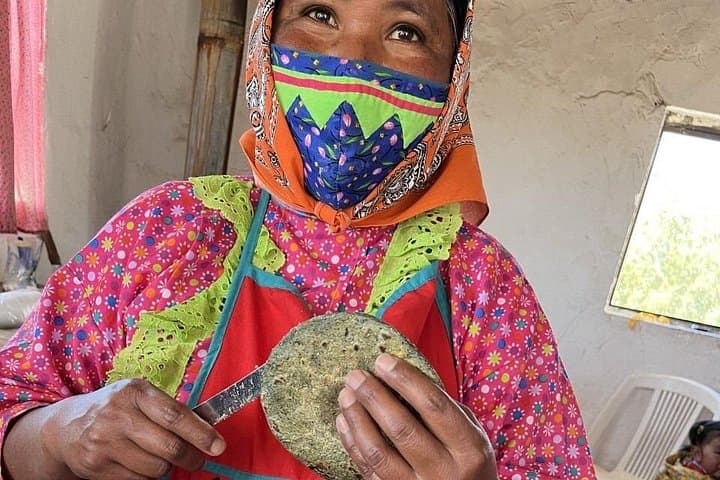
Expect a mix of rail travel, short hikes to ruins like Cueva de la Olla, cultural visits, and time in small towns for markets and home-cooked food. Rivers dare you to listen; canyon rims offer sweeping perspectives rather than easy summits. Local guides connect you with workshops and family-run eateries where regional cuisine centers on corn, beans, and hearty stews.
Practical edge: pack layers for cold nights at elevation, bring cash for artisan purchases, and prepare for uneven trails and basic facilities in rural stops. Hydrate for dry air and plan arrival in Creel or Chihuahua City—both logical staging points. This trip is as much about moving through a lived landscape as it is about destinations: the train delivers you, but the details—the pottery, the cave ruins, the local meals—are what linger.
moderate.
8–9 days.
Suitable for travelers in average physical shape who can manage short hikes (30–90 minutes), uneven paths, and getting on/off trains and vans.
Most travelers fly into Chihuahua City or nearby regional airports and connect by rail (El Chepe) or arranged transfers; the operator often coordinates pickups—confirm your chosen pickup point when booking.
No technical climbs are required; visits involve short, sometimes steep or uneven walks to ruins and cave dwellings—good footwear and steady balance are recommended.
The tour accommodates a range of fitness levels, but it’s not recommended for people with serious spine, heart, or pregnancy-related restrictions; check specific health advisories before booking.
Yes—village workshops and markets offer pottery; bring cash, inspect pieces for authenticity, and be mindful of packing fragile items for travel.
The region preserves Casas Grandes and Mogollon archaeological sites dating back to the 9th–14th centuries and a living Tarahumara (Rarámuri) culture that has occupied the canyons for centuries.
Tourism supports local economies and craft economies, but visitors should respect community protocols, avoid taking artifacts, and follow leave-no-trace practices to minimize impacts.
Pablo Carrillo operates guided outdoor trips and adventures with an emphasis on safety, stewardship, and memorable experiences.
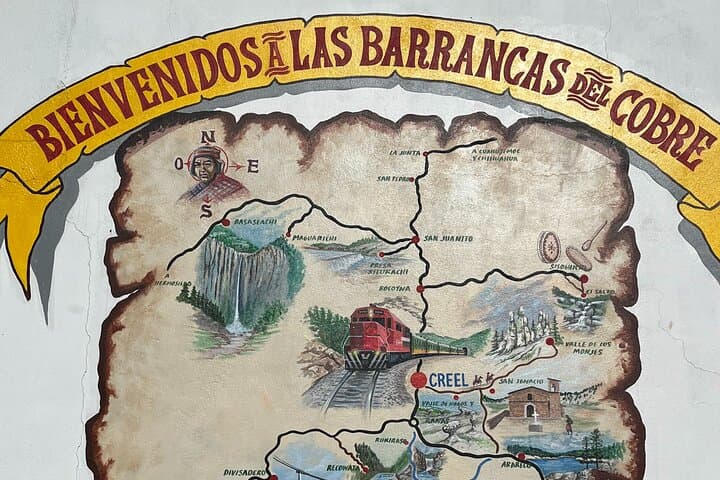
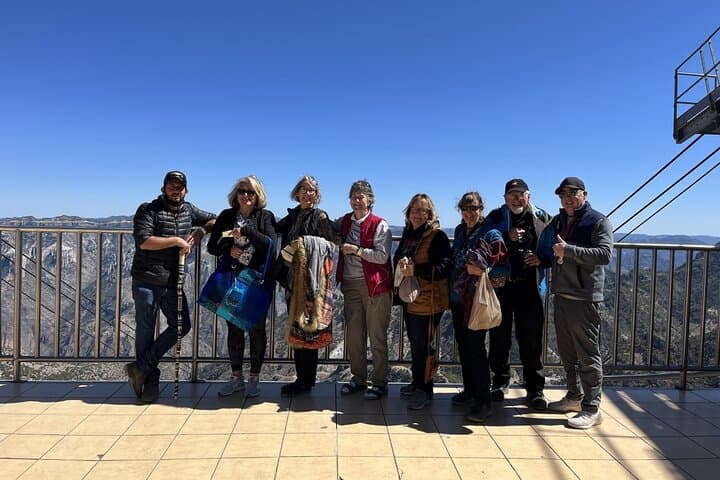
You step off the El Chepe and the canyon exhales—dry pine smoke, dusty road, and a wind that pushes you toward the rim. The train snakes through the Sierra Madre, carving a route through red walls and high mesas until it releases you in Creel, a mountain town where lodge roofs catch late sun and the air carries the scent of roasted chilies.
You step off the El Chepe and the canyon exhales—dry pine smoke, dusty road, and a wind that pushes you toward the rim. The train snakes through the Sierra Madre, carving a route through red walls and high mesas until it releases you in Creel, a mountain town where lodge roofs catch late sun and the air carries the scent of roasted chilies.
This multi-day expedition threads history and geology together: 9th-century Mogollon and Casas Grandes ruins tucked into cliff faces, the volcanic and limestone geology that carved Copper Canyon’s dramatic drops, and the living culture of Tarahumara (Rarámuri) communities whose cave dwellings and crafts endure. Mata Ortiz pottery—revived designs with near-obsessive craftsmanship—offers one of northern Mexico’s quiet artistic miracles.
Expect a mix of rail travel, short hikes to ruins like Cueva de la Olla, cultural visits, and time in small towns for markets and home-cooked food. Rivers dare you to listen; canyon rims offer sweeping perspectives rather than easy summits. Local guides connect you with workshops and family-run eateries where regional cuisine centers on corn, beans, and hearty stews.
Practical edge: pack layers for cold nights at elevation, bring cash for artisan purchases, and prepare for uneven trails and basic facilities in rural stops. Hydrate for dry air and plan arrival in Creel or Chihuahua City—both logical staging points. This trip is as much about moving through a lived landscape as it is about destinations: the train delivers you, but the details—the pottery, the cave ruins, the local meals—are what linger.