THE ADVENTURE COLLECTIVE® · Independent discovery and booking for outdoor travel

Spend an evening crafting a Turkish-style mosaic lamp in Brighton’s Azerbaijan Cultural Center. This hands-on workshop pairs step-by-step instruction with Turkish tea and a take-home grouting kit so you leave with a finished, light-ready piece.
Spend an evening crafting a Turkish-style mosaic lamp in Brighton’s Azerbaijan Cultural Center. This hands-on workshop pairs step-by-step instruction with Turkish tea and a take-home grouting kit so you leave with a finished, light-ready piece.
You step up the second-floor stairs of the Azerbaijan Cultural Center and the room opens into a low-lit studio where colored glass waits like a folded map of light.
Verified experiences and guided adventures in the surrounding area.
Operated by Mosaic Art Studio · Brighton, MA
You step up the second-floor stairs of the Azerbaijan Cultural Center and the room opens into a low-lit studio where colored glass waits like a folded map of light.
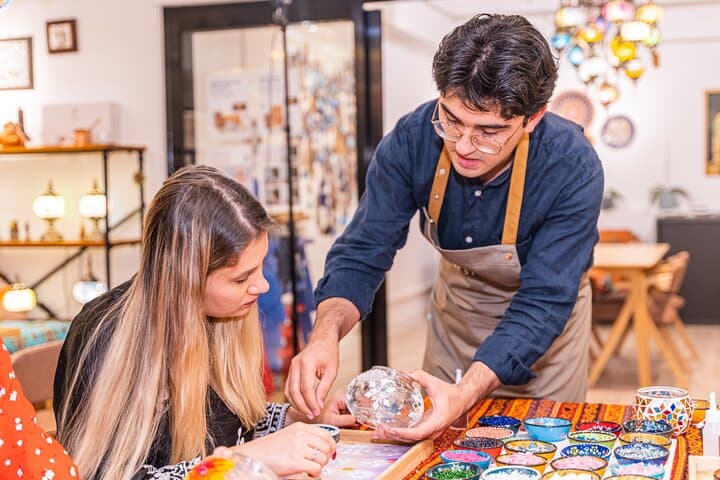
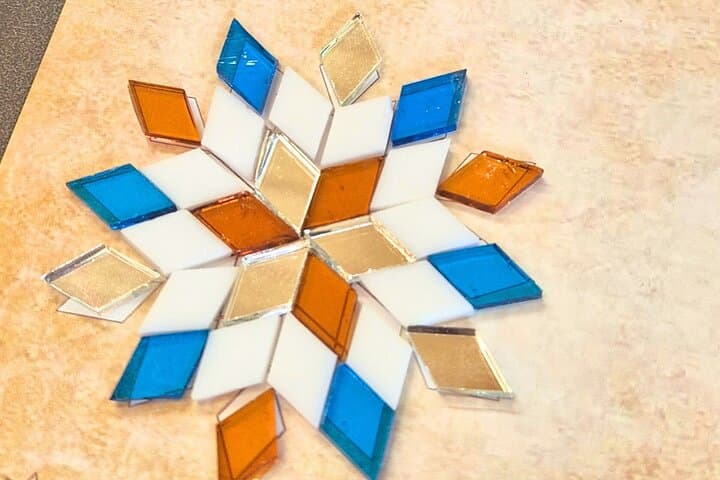
Guided artisans arrange tiles on the table and the first shard you touch feels cool and deliberate. The workshop puts you at the center of a craft that migrated across the Mediterranean and Anatolia — Ottoman and Byzantine mosaic techniques translated into modern lamp-making.
Boston’s patchwork of brick streets and glacially scoured bedrock is a practical backdrop: local sand once powered New England’s early glassworks, and today imported vitreous tesserae arrive ready for small, domestic fields of color under your hands.
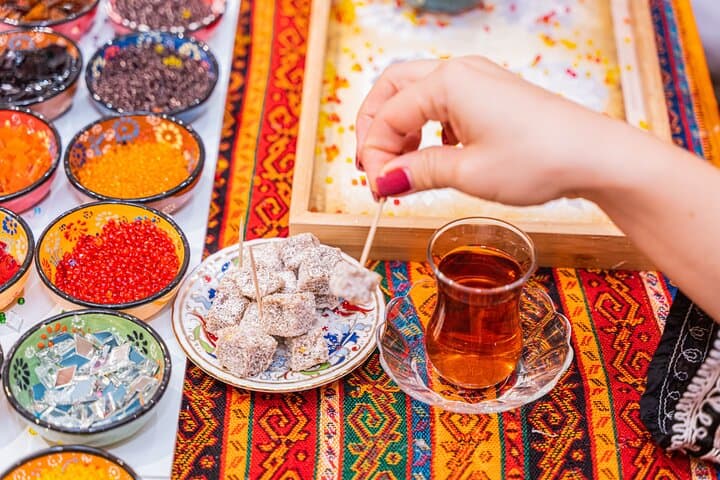
The session folds culture into craft — instructors explain pattern language drawn from Turkish and Azerbaijani motifs while you practice cutting, laying, and securing glass beads into a lamp base. Turkish tea and sweets pace the class; conversation drifts from design choices to local Brighton cafés and the Chestnut Hill Reservoir loop a short walk away.
Practically: classes run about 2.5 hours, all materials provided, and the final grouting step is completed at home with a kit you’ll be shown how to use. Bring close-up eyewear if you need it, and expect to stand or sit in focused bursts; the studio is wheelchair accessible but space can be tight during peak sessions.
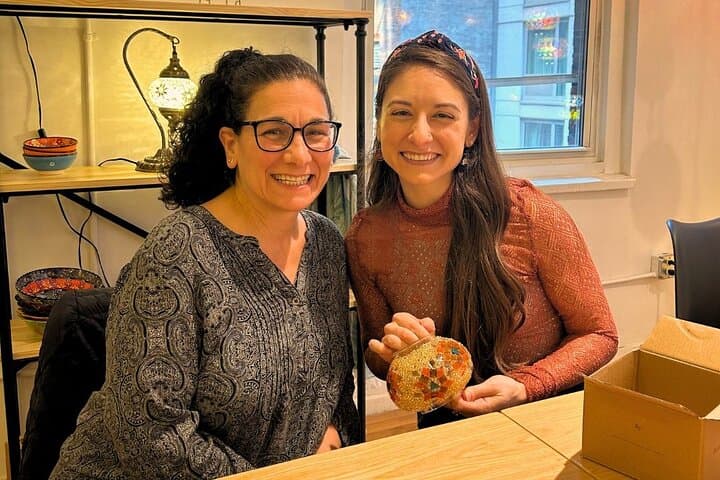
Whether you’re after a decorative keepsake or a new skill, the workshop is a compact cultural exchange — tactile, instructive, and hand-held enough for beginners to leave with a finished, light-ready piece.
easy.
2–3 hours.
No special fitness required; ability to stand or sit and perform fine motor tasks for up to 2–3 hours.
No — the class is designed for beginners and instructors guide every step from cutting to placement and finishing.
Yes — the studio reports wheelchair accessible surfaces and accommodations, but notify the host in advance so they can prepare space and assistance if needed.
You assemble the lamp and receive a grouting kit with instructions; final grouting is typically completed at home to allow proper curing.
Full refunds are available if you cancel at least 24 hours before the scheduled session; check your booking confirmation for details.
The lamp designs draw on Ottoman and Byzantine mosaic traditions; the studio sits inside a cultural center that promotes Azerbaijani arts in Boston.
The studio emphasizes reuse of offcuts and provides grout kits to avoid single-use waste; avoid rinsing grout residues down household drains to protect local waterways.
Mosaic Art Studio operates guided outdoor trips and adventures with an emphasis on safety, stewardship, and memorable experiences.
You step up the second-floor stairs of the Azerbaijan Cultural Center and the room opens into a low-lit studio where colored glass waits like a folded map of light.
You step up the second-floor stairs of the Azerbaijan Cultural Center and the room opens into a low-lit studio where colored glass waits like a folded map of light.
Guided artisans arrange tiles on the table and the first shard you touch feels cool and deliberate. The workshop puts you at the center of a craft that migrated across the Mediterranean and Anatolia — Ottoman and Byzantine mosaic techniques translated into modern lamp-making.
Boston’s patchwork of brick streets and glacially scoured bedrock is a practical backdrop: local sand once powered New England’s early glassworks, and today imported vitreous tesserae arrive ready for small, domestic fields of color under your hands.
The session folds culture into craft — instructors explain pattern language drawn from Turkish and Azerbaijani motifs while you practice cutting, laying, and securing glass beads into a lamp base. Turkish tea and sweets pace the class; conversation drifts from design choices to local Brighton cafés and the Chestnut Hill Reservoir loop a short walk away.
Practically: classes run about 2.5 hours, all materials provided, and the final grouting step is completed at home with a kit you’ll be shown how to use. Bring close-up eyewear if you need it, and expect to stand or sit in focused bursts; the studio is wheelchair accessible but space can be tight during peak sessions.
Whether you’re after a decorative keepsake or a new skill, the workshop is a compact cultural exchange — tactile, instructive, and hand-held enough for beginners to leave with a finished, light-ready piece.