THE ADVENTURE COLLECTIVE® · Independent discovery and booking for outdoor travel

Learn the basics of perfumery in a hands-on workshop at Coopérative Bio Amina in Chichaoua. Begin with a traditional Moroccan breakfast, tour the cooperative, then compose and bottle a personalized fragrance to take home.
Learn the basics of perfumery in a hands-on workshop at Coopérative Bio Amina in Chichaoua. Begin with a traditional Moroccan breakfast, tour the cooperative, then compose and bottle a personalized fragrance to take home.
You arrive to the Coopérative Bio Amina as the morning tea steams in wide glasses and the courtyard smells faintly of dried orange peel and rosemary. Sun hits the adobe walls and the artisans already have trays of small bottles lined like a laboratory of scent; the day begins with a simple Moroccan breakfast—Berber bread, local pastries, dried fruit—then moves quickly into the work of smells.
Verified experiences and guided adventures in the surrounding area.
Operated by Coopérative Bio Amina · Chichaoua, Marrakech-Safi
You arrive to the Coopérative Bio Amina as the morning tea steams in wide glasses and the courtyard smells faintly of dried orange peel and rosemary. Sun hits the adobe walls and the artisans already have trays of small bottles lined like a laboratory of scent; the day begins with a simple Moroccan breakfast—Berber bread, local pastries, dried fruit—then moves quickly into the work of smells.
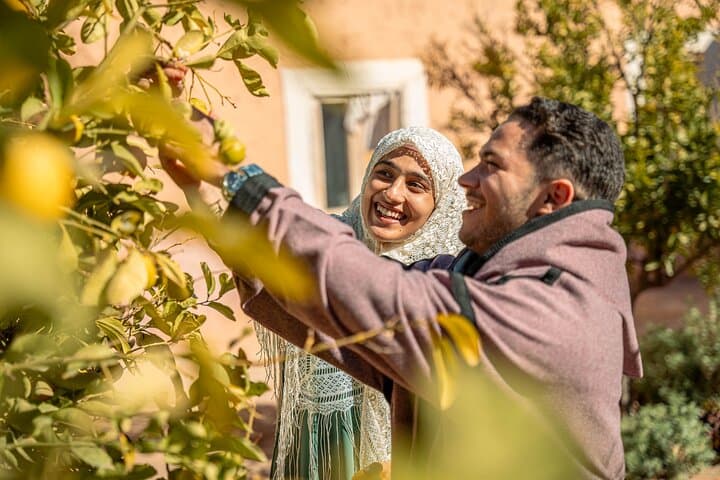
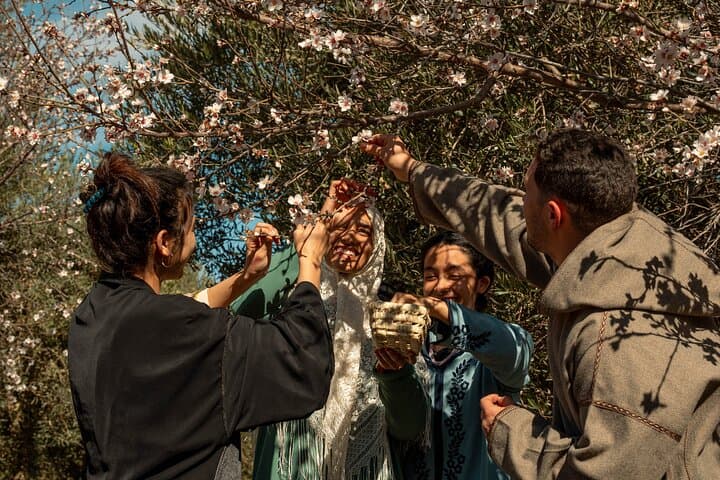
Chichaoua sits on the Atlas’ western approach where cultivated fields meet scrubby hills; its craft traditions draw on Berber knowledge of aromatic plants and centuries of small-scale distillation. The cooperative model here grew from 20th-century efforts to support rural artisans, combining local know-how with organic farming and careful plant harvesting.
The workshop walks you through top, heart and base notes using locally produced essential oils—citrus, rosemary, rose and cedar among them—so you learn both sensory vocabulary and practical blending ratios. You bottle your own fragrance, label it, and share a tasting of results with the group.
Practicalities are straightforward: the session runs about two hours, is wheelchair accessible, and insulated from weather, but morning slots feel fresher and more comfortable in summer. Expect gentle hands-on guidance rather than formal chemistry; the experience emphasizes craft, culture and a take-home souvenir.
Plan transport from Marrakech, allow time for a short market visit afterward, and bring a small bag to protect your bottle. The workshop is ideal for curious travelers who want a tactile cultural exchange rather than a passive shopping stop.
easy.
2 hours.
Suitable for all fitness levels; mostly seated and hands-on work
Yes—participants create and bottle a personalized fragrance to take home, typically in a small spray or vial provided by the cooperative.
Workshops are commonly led in Arabic and French; many hosts accommodate English-speaking visitors—confirm language needs when booking.
The listing notes wheelchair-accessible surfaces and transportation options—contact the operator ahead of time for specific assistance needs.
Yes; cooperatives usually offer essential oils, handmade soaps and small handicrafts—often with member discounts available to visitors.
Chichaoua’s craft traditions link to Berber communities and the recent development of women-led cooperatives that preserved local distillation skills.
The cooperative model promotes sustainable harvesting of aromatic plants and reinvests sales into the local community; choose responsibly packaged items to support low-impact production.
Coopérative Bio Amina operates guided outdoor trips and adventures with an emphasis on safety, stewardship, and memorable experiences.
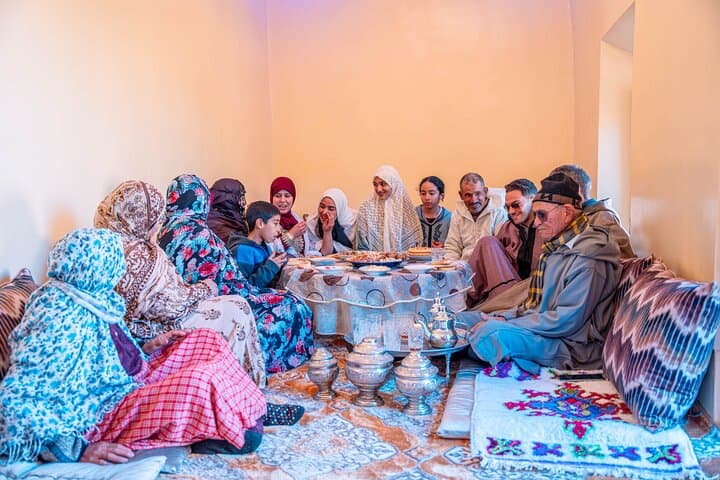
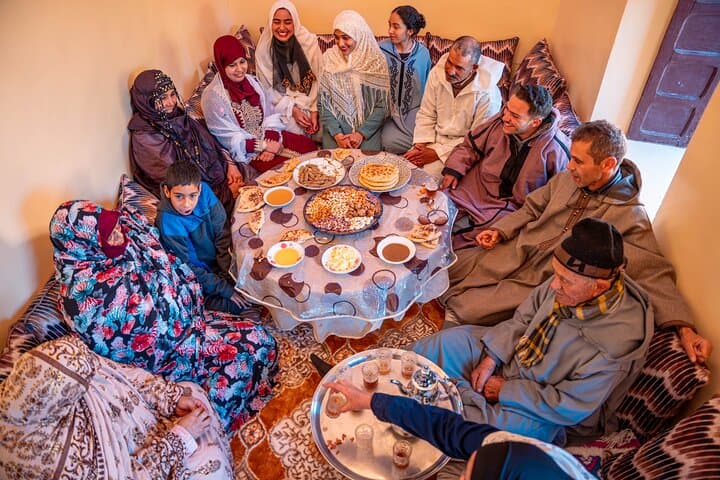
You arrive to the Coopérative Bio Amina as the morning tea steams in wide glasses and the courtyard smells faintly of dried orange peel and rosemary. Sun hits the adobe walls and the artisans already have trays of small bottles lined like a laboratory of scent; the day begins with a simple Moroccan breakfast—Berber bread, local pastries, dried fruit—then moves quickly into the work of smells.
You arrive to the Coopérative Bio Amina as the morning tea steams in wide glasses and the courtyard smells faintly of dried orange peel and rosemary. Sun hits the adobe walls and the artisans already have trays of small bottles lined like a laboratory of scent; the day begins with a simple Moroccan breakfast—Berber bread, local pastries, dried fruit—then moves quickly into the work of smells.
Chichaoua sits on the Atlas’ western approach where cultivated fields meet scrubby hills; its craft traditions draw on Berber knowledge of aromatic plants and centuries of small-scale distillation. The cooperative model here grew from 20th-century efforts to support rural artisans, combining local know-how with organic farming and careful plant harvesting.
The workshop walks you through top, heart and base notes using locally produced essential oils—citrus, rosemary, rose and cedar among them—so you learn both sensory vocabulary and practical blending ratios. You bottle your own fragrance, label it, and share a tasting of results with the group.
Practicalities are straightforward: the session runs about two hours, is wheelchair accessible, and insulated from weather, but morning slots feel fresher and more comfortable in summer. Expect gentle hands-on guidance rather than formal chemistry; the experience emphasizes craft, culture and a take-home souvenir.
Plan transport from Marrakech, allow time for a short market visit afterward, and bring a small bag to protect your bottle. The workshop is ideal for curious travelers who want a tactile cultural exchange rather than a passive shopping stop.