THE ADVENTURE COLLECTIVE® · Independent discovery and booking for outdoor travel

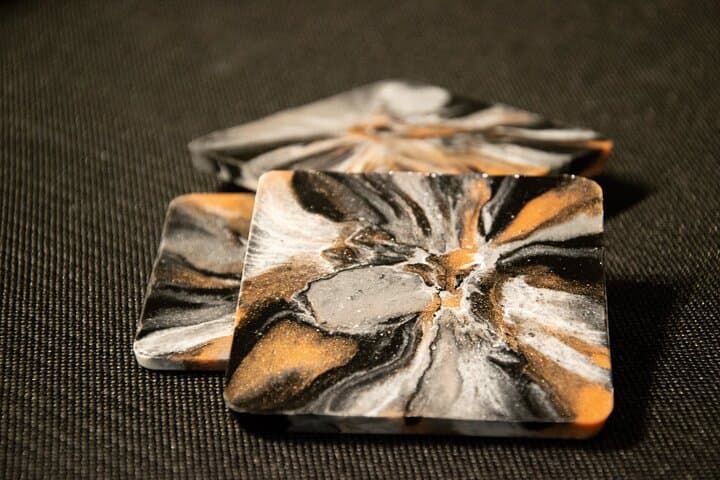
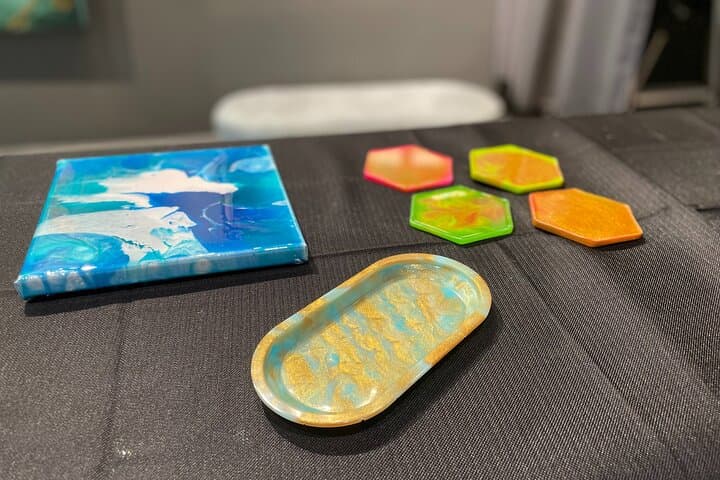
Spend two hours in a Nolita artist's studio learning to mix, layer, and cure resin into coasters, dishes, or small wall pieces. This hands-on NYC workshop provides all materials and expert instruction—leave your piece to cure overnight or have it shipped.
Spend two hours in a Nolita artist's studio learning to mix, layer, and cure resin into coasters, dishes, or small wall pieces. This hands-on NYC workshop provides all materials and expert instruction—leave your piece to cure overnight or have it shipped.
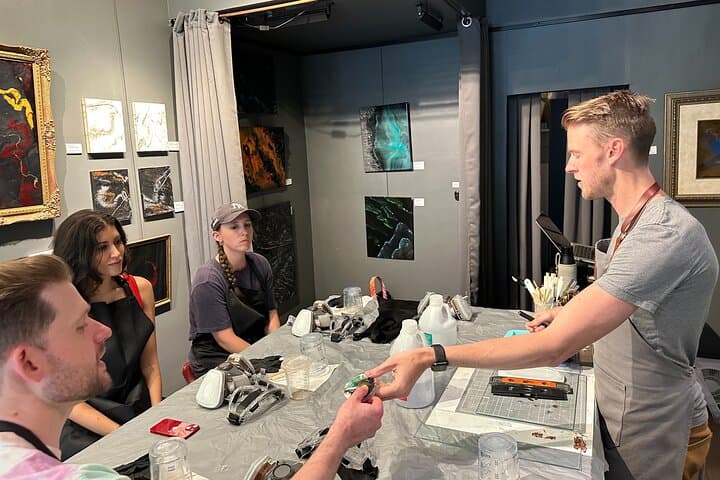
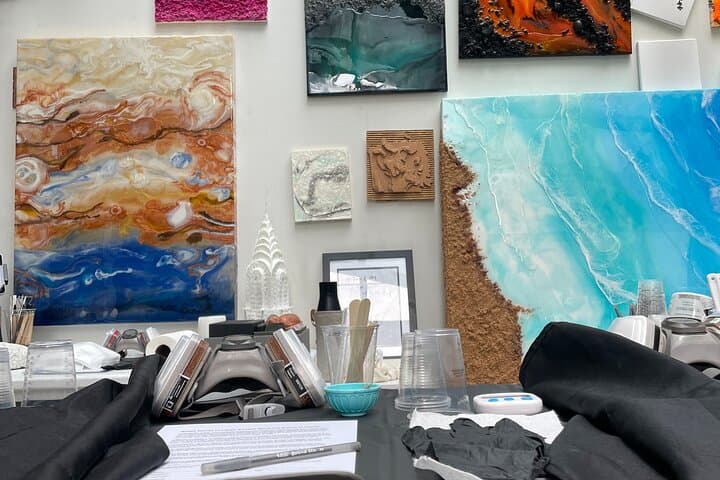
You step through a narrow Nolita doorway and the street noise thins into the steady hiss of a studio: fans, laughter, the soft clink of tools. Light from tall windows pools on worktables where pigments float in sheets of clear resin. Under artist Clay Brown's guidance you mask up, mix measured ratios, and watch colors spread like miniature city maps.
Verified experiences and guided adventures in the surrounding area.
Operated by Bowery Princes Gallery & Atelier · New York, NY
You step through a narrow Nolita doorway and the street noise thins into the steady hiss of a studio: fans, laughter, the soft clink of tools. Light from tall windows pools on worktables where pigments float in sheets of clear resin. Under artist Clay Brown's guidance you mask up, mix measured ratios, and watch colors spread like miniature city maps.
Lower Manhattan's Nolita and neighboring SoHo grew from 19th-century manufacturing blocks into an artist-run neighborhood in the late 20th century; the studio sits amid cast-iron façades and a history of creative reinvention. The materials are modern chemistry—polyester or epoxy resins—and the process is as much technique as intuition: curing times, layering, and safe ventilation matter more than force. The cultural rhythm here is collaborative; expect conversational instruction and practical demonstrations rather than formal critique.
Practically, the two-hour class is designed for beginners and experienced makers alike. Create coasters, a jewelry dish, or a small wall piece; leave works to cure overnight and pick them up the next day or arrange shipping. The studio provides resin, pigments, PPE, and aprons; wear clothes you don’t mind splattering. Note health advisories: not recommended for pregnant visitors or those with cardiovascular sensitivity; studios typically require masks during mixing.
Plan to arrive 10–15 minutes early, bring a photo reference if you want a guided composition, and allow a day for full cure before heavy handling. Public transit drops you within a short walk; if shipping is needed, confirm fees and timing up front. This is hands-on urban craft—precise, sensory, and rewarding for anyone who likes to make something tangible in the middle of the city.
easy.
2 hours.
Suitable for all fitness levels; requires steady hands and basic standing or seated activity for two hours
No—this class is beginner friendly and the instructor guides you through mixing, pouring, and finishing techniques.
Most resin pieces need to cure overnight; the studio holds finished work for pickup the next day or can ship it to you for a fee.
Yes—this studio is wheelchair and stroller accessible; notify the host of any mobility needs when booking.
Resin work is not recommended for pregnant visitors or those with cardiovascular issues; masks are required during mixing due to fumes.
Nolita and SoHo transformed from industrial blocks to artist enclaves in the 1960s–80s, making studio practice a neighborhood tradition.
Resin is chemically active; reputable studios use proper ventilation, PPE, and waste protocols—ask about disposal and low-VOC options to minimize impact.
Bowery Princes Gallery & Atelier operates guided outdoor trips and adventures with an emphasis on safety, stewardship, and memorable experiences.
You step through a narrow Nolita doorway and the street noise thins into the steady hiss of a studio: fans, laughter, the soft clink of tools. Light from tall windows pools on worktables where pigments float in sheets of clear resin. Under artist Clay Brown's guidance you mask up, mix measured ratios, and watch colors spread like miniature city maps.
You step through a narrow Nolita doorway and the street noise thins into the steady hiss of a studio: fans, laughter, the soft clink of tools. Light from tall windows pools on worktables where pigments float in sheets of clear resin. Under artist Clay Brown's guidance you mask up, mix measured ratios, and watch colors spread like miniature city maps.
Lower Manhattan's Nolita and neighboring SoHo grew from 19th-century manufacturing blocks into an artist-run neighborhood in the late 20th century; the studio sits amid cast-iron façades and a history of creative reinvention. The materials are modern chemistry—polyester or epoxy resins—and the process is as much technique as intuition: curing times, layering, and safe ventilation matter more than force. The cultural rhythm here is collaborative; expect conversational instruction and practical demonstrations rather than formal critique.
Practically, the two-hour class is designed for beginners and experienced makers alike. Create coasters, a jewelry dish, or a small wall piece; leave works to cure overnight and pick them up the next day or arrange shipping. The studio provides resin, pigments, PPE, and aprons; wear clothes you don’t mind splattering. Note health advisories: not recommended for pregnant visitors or those with cardiovascular sensitivity; studios typically require masks during mixing.
Plan to arrive 10–15 minutes early, bring a photo reference if you want a guided composition, and allow a day for full cure before heavy handling. Public transit drops you within a short walk; if shipping is needed, confirm fees and timing up front. This is hands-on urban craft—precise, sensory, and rewarding for anyone who likes to make something tangible in the middle of the city.