THE ADVENTURE COLLECTIVE® · Independent discovery and booking for outdoor travel

Spend an hour learning acrylic pour techniques to make a 9.4-inch fluid art bear in a guided Houston studio class. No experience required — everything is provided and instructors walk you through each step.
Spend an hour learning acrylic pour techniques to make a 9.4-inch fluid art bear in a guided Houston studio class. No experience required — everything is provided and instructors walk you through each step.
The studio smells faintly of acrylic and citrus cleaner as a low table waits beneath bright lights. You pull on a pair of disposable gloves, pick a palette of paint cups, and watch pigments glide and fold into each other — the colors behaving like a small weather system over a 9.4-inch bear form. In an hour the classroom moves from quiet concentration to delighted surprise as each pour reveals a design no two people can replicate.
Verified experiences and guided adventures in the surrounding area.
Operated by Hawaii Fluid Art The Woodlands · Houston, Texas
The studio smells faintly of acrylic and citrus cleaner as a low table waits beneath bright lights. You pull on a pair of disposable gloves, pick a palette of paint cups, and watch pigments glide and fold into each other — the colors behaving like a small weather system over a 9.4-inch bear form. In an hour the classroom moves from quiet concentration to delighted surprise as each pour reveals a design no two people can replicate.
Houston’s creative scene grew around galleries and university programs that champion hands-on art; acrylic pouring is a contemporary offshoot that borrows chemistry and chance more than formal technique. The Gulf Coast climate can influence drying time, so studio ventilation matters; culturally, these drop-in classes reflect the city’s approachable, community-driven craft culture.
Expect smooth, plastic-friendly workspace, step-by-step instruction, and all materials provided — including glitter or embellishments if you want them. The session balances guided technique (flip-cup, dirty-pour) with room to experiment, and instructors handle the messy bits so you can focus on color and motion.
Practical guidance: wear clothes you won’t mind splattering and bring a shallow box or tote to transport a wet piece. Allow at least 24–48 hours for a poured piece to cure fully before sealing or carrying home, and ask the instructor about touch-up varnish if you want a glossy finish. Arrive 10–15 minutes early to settle in and pick your color scheme — and be ready for a surprisingly meditative, tactile hour of creative play.
easy.
1 hour.
No physical fitness required; suitable for most adults and older children with supervision
No — the class is instructor-led and designed for beginners; techniques are demonstrated step by step.
Surface tack can fade in hours, but full cure typically takes 24–48 hours depending on humidity; thicker pours may need longer.
Yes — most studios provide embellishments like glitter; ask the instructor during the session for recommendations and placement.
According to the listing, the venue is wheelchair accessible; contact the operator ahead of time to confirm specific access needs.
Houston’s contemporary craft scene expanded alongside institutions like the Menil Collection and university art departments, creating a DIY-friendly culture of drop-in studios and community workshops.
Acrylics and additives require careful disposal; reputable studios minimize waste by sharing leftover paint, using disposable liners, and following local hazardous-waste guidance.
Hawaii Fluid Art The Woodlands operates guided outdoor trips and adventures with an emphasis on safety, stewardship, and memorable experiences.
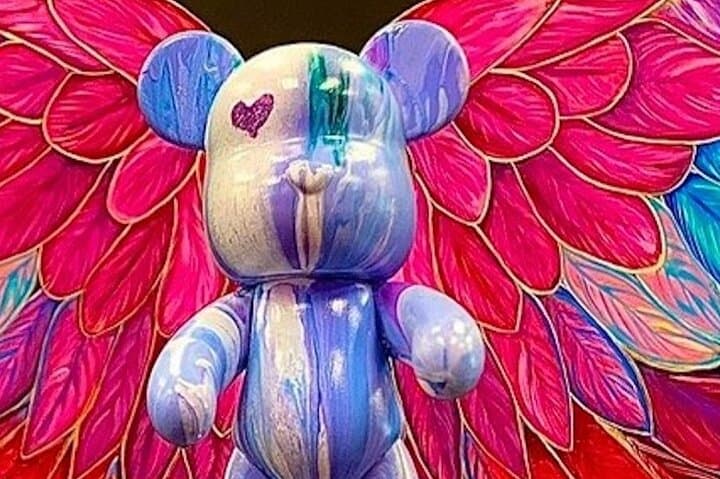
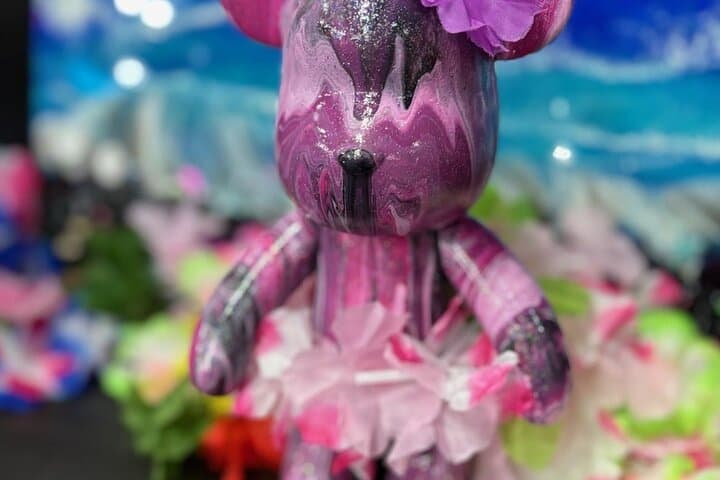
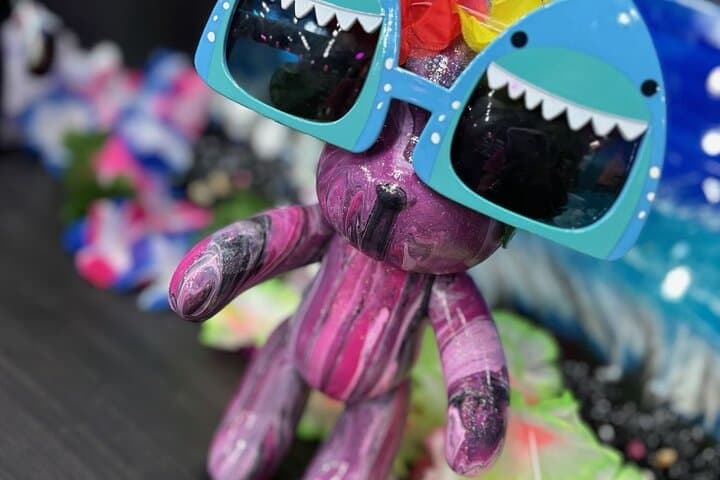
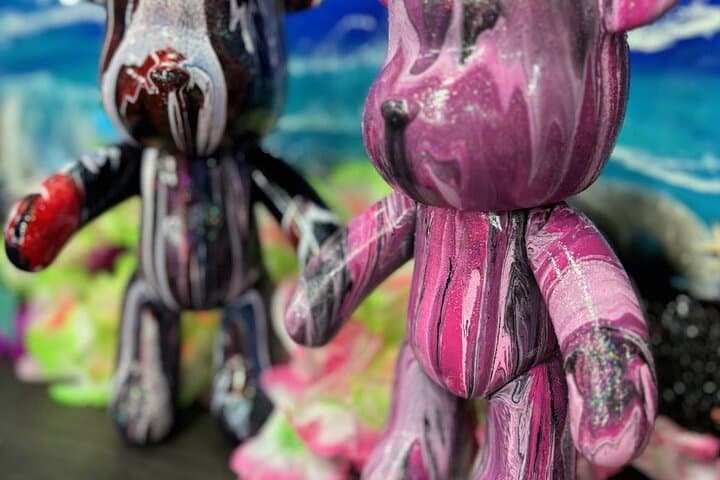
The studio smells faintly of acrylic and citrus cleaner as a low table waits beneath bright lights. You pull on a pair of disposable gloves, pick a palette of paint cups, and watch pigments glide and fold into each other — the colors behaving like a small weather system over a 9.4-inch bear form. In an hour the classroom moves from quiet concentration to delighted surprise as each pour reveals a design no two people can replicate.
The studio smells faintly of acrylic and citrus cleaner as a low table waits beneath bright lights. You pull on a pair of disposable gloves, pick a palette of paint cups, and watch pigments glide and fold into each other — the colors behaving like a small weather system over a 9.4-inch bear form. In an hour the classroom moves from quiet concentration to delighted surprise as each pour reveals a design no two people can replicate.
Houston’s creative scene grew around galleries and university programs that champion hands-on art; acrylic pouring is a contemporary offshoot that borrows chemistry and chance more than formal technique. The Gulf Coast climate can influence drying time, so studio ventilation matters; culturally, these drop-in classes reflect the city’s approachable, community-driven craft culture.
Expect smooth, plastic-friendly workspace, step-by-step instruction, and all materials provided — including glitter or embellishments if you want them. The session balances guided technique (flip-cup, dirty-pour) with room to experiment, and instructors handle the messy bits so you can focus on color and motion.
Practical guidance: wear clothes you won’t mind splattering and bring a shallow box or tote to transport a wet piece. Allow at least 24–48 hours for a poured piece to cure fully before sealing or carrying home, and ask the instructor about touch-up varnish if you want a glossy finish. Arrive 10–15 minutes early to settle in and pick your color scheme — and be ready for a surprisingly meditative, tactile hour of creative play.