THE ADVENTURE COLLECTIVE® · Independent discovery and booking for outdoor travel

Leave Saigon for a Jeep-driven half day at Cu Chi, where 250 km of wartime tunnels wait to be explored. This private tour pairs historical context with hands-on experiences—expect crawling, local food samples, and compact, intense insight into Vietnam’s wartime survival tactics.
Leave Saigon for a Jeep-driven half day at Cu Chi, where 250 km of wartime tunnels wait to be explored. This private tour pairs historical context with hands-on experiences—expect crawling, local food samples, and compact, intense insight into Vietnam’s wartime survival tactics.
The road peels away from Saigon and the city’s hum gives up to a narrower ribbon of asphalt. In the rearview, high-rises shrink; ahead, drained rice paddies and rubber plantations close in. After a 1.5-hour Jeep ride you arrive at Cu Chi, where earth caves in on itself to reveal a 250 km network of tunnels—tight, dark passages that once sheltered soldiers and communities.
Verified experiences and guided adventures in the surrounding area.
Operated by Vietnam Explorer · Cu Chi District, Ho Chi Minh City
The road peels away from Saigon and the city’s hum gives up to a narrower ribbon of asphalt. In the rearview, high-rises shrink; ahead, drained rice paddies and rubber plantations close in. After a 1.5-hour Jeep ride you arrive at Cu Chi, where earth caves in on itself to reveal a 250 km network of tunnels—tight, dark passages that once sheltered soldiers and communities.
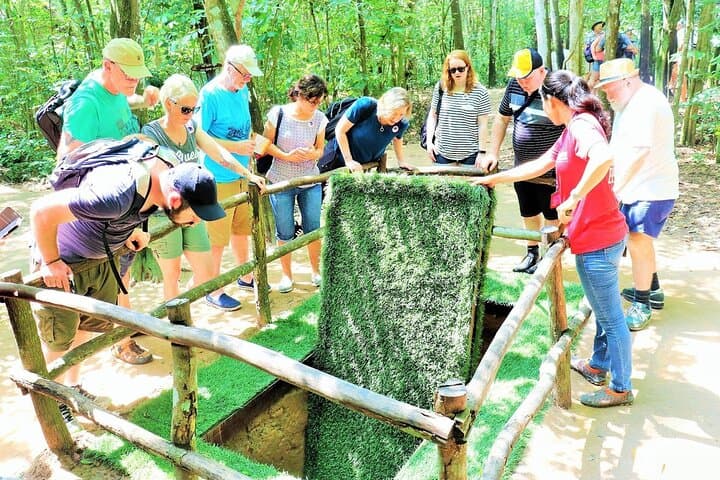
This site is a practical classroom in wartime improvisation. Built largely by hand during the mid-20th century, the tunnels thread through layered alluvial soil and lateritic pockets, engineered to resist bomb craters and conceal ventilation. Guides explain tactics used by Viet Cong fighters, show replica weapons and traps, and demonstrate daily survival skills like cassava and tea rations that kept people moving under extreme conditions.
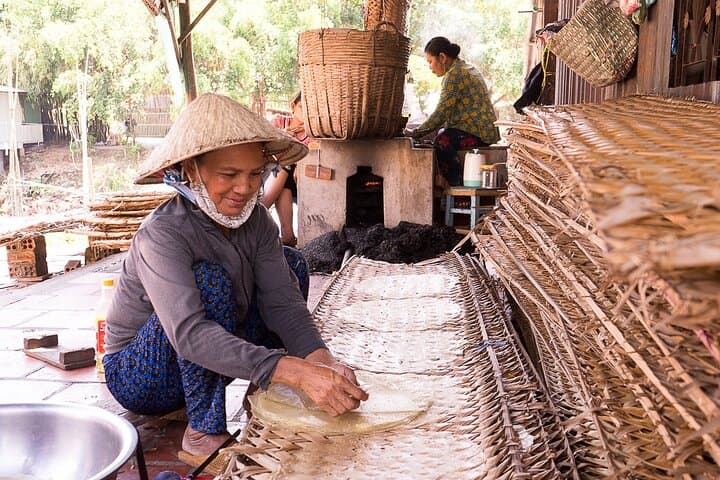
Culturally, the tunnels are a place of contested memory: a Vietnamese narrative of resilience alongside a broader reflection on conflict and civilian endurance. Small craft demonstrations—often rice-paper making—connect foodways to labor and landscape.
Practical notes: tunnels are narrow and low—expect crouching, brief crawling, and uneven paths. Wear closed-toe shoes and lightweight long sleeves to avoid scrapes and insects. Bring water, sunscreen for the surface walk, and a basic tolerance for close, dim spaces; visitors with heart or respiratory conditions should avoid confined sections. The half-day itinerary includes a light meal, local refreshments, and Jeep transport; plan for a full morning or afternoon including travel time from Ho Chi Minh City.
moderate.
4–6 hours (including travel).
Moderate fitness: able to crouch, navigate short crawls, and walk on uneven ground for several hours.
Most visitors navigate short, low tunnel sections that require crouching or crawling for a few meters; options often exist to observe from the surface if you prefer not to enter tight passages.
Yes—this private tour provides Jeep pickup and return; plan for about 1.5 hours each way depending on traffic.
Many sections are preserved reconstructions or reinforced originals open to the public; guides maintain safety but tunnels are narrow and low compared with modern standards.
A light meal and local tea with cassava are included, and the itinerary may offer a hands-on rice-paper demonstration depending on local schedules.
Cu Chi’s tunnels were expanded during the mid-20th century into a strategic network used by Viet Cong fighters; the site illustrates guerrilla engineering and civilian wartime adaptations.
Visitor numbers are managed at main exhibits to protect fragile tunnel sections; stick to marked paths and avoid touching fragile structures to reduce erosion and wear.
Vietnam Explorer operates guided outdoor trips and adventures with an emphasis on safety, stewardship, and memorable experiences.


The road peels away from Saigon and the city’s hum gives up to a narrower ribbon of asphalt. In the rearview, high-rises shrink; ahead, drained rice paddies and rubber plantations close in. After a 1.5-hour Jeep ride you arrive at Cu Chi, where earth caves in on itself to reveal a 250 km network of tunnels—tight, dark passages that once sheltered soldiers and communities.
The road peels away from Saigon and the city’s hum gives up to a narrower ribbon of asphalt. In the rearview, high-rises shrink; ahead, drained rice paddies and rubber plantations close in. After a 1.5-hour Jeep ride you arrive at Cu Chi, where earth caves in on itself to reveal a 250 km network of tunnels—tight, dark passages that once sheltered soldiers and communities.
This site is a practical classroom in wartime improvisation. Built largely by hand during the mid-20th century, the tunnels thread through layered alluvial soil and lateritic pockets, engineered to resist bomb craters and conceal ventilation. Guides explain tactics used by Viet Cong fighters, show replica weapons and traps, and demonstrate daily survival skills like cassava and tea rations that kept people moving under extreme conditions.
Culturally, the tunnels are a place of contested memory: a Vietnamese narrative of resilience alongside a broader reflection on conflict and civilian endurance. Small craft demonstrations—often rice-paper making—connect foodways to labor and landscape.
Practical notes: tunnels are narrow and low—expect crouching, brief crawling, and uneven paths. Wear closed-toe shoes and lightweight long sleeves to avoid scrapes and insects. Bring water, sunscreen for the surface walk, and a basic tolerance for close, dim spaces; visitors with heart or respiratory conditions should avoid confined sections. The half-day itinerary includes a light meal, local refreshments, and Jeep transport; plan for a full morning or afternoon including travel time from Ho Chi Minh City.