THE ADVENTURE COLLECTIVE® · Independent discovery and booking for outdoor travel

A two-day guided trek from Senaru to Rinjani’s crater rim delivers dramatic caldera views, a chance to see Segara Anak’s steaming lake and a route steeped in volcanic history. This moderate 2D/1N itinerary is family-friendly with guides and porters provided.
A two-day guided trek from Senaru to Rinjani’s crater rim delivers dramatic caldera views, a chance to see Segara Anak’s steaming lake and a route steeped in volcanic history. This moderate 2D/1N itinerary is family-friendly with guides and porters provided.
A humid dawn in Senaru opens with the jungle breathing around you — palms and dense undergrowth drip with last night’s mist as the trail climbs out of village rice terraces. Walkers move in a low, steady rhythm; the forest narrows, the air thins, and by late afternoon the crater rim reveals itself with a hard horizon: Segara Anak lake far below, steam from the inner caldera daring you to look closer, and a silhouette of Bali’s Mount Agung on the edge of sunset.
Verified experiences and guided adventures in the surrounding area.
Operated by Rinjani Samalas Tour and Trekking · Senaru, West Nusa Tenggara
A humid dawn in Senaru opens with the jungle breathing around you — palms and dense undergrowth drip with last night’s mist as the trail climbs out of village rice terraces. Walkers move in a low, steady rhythm; the forest narrows, the air thins, and by late afternoon the crater rim reveals itself with a hard horizon: Segara Anak lake far below, steam from the inner caldera daring you to look closer, and a silhouette of Bali’s Mount Agung on the edge of sunset.
Mount Rinjani is an active stratovolcano shaped by the colossal Samalas eruption of the 13th century, which carved the present caldera and created the scenic Segara Anak. The north route through Senaru crosses biogeographical zones — tropical lowland, montane forest, then scrubby alpine ridges — and passes through Sasak villages where traditional weaving and mountain rituals persist.
Expect 2 days of guided trekking: Senaru village (about 601 m) to the crater rim (≈2,641 m) on day one and a descent back the next morning. Total elevation gain is roughly 2,000 m; trails alternate muddy switchbacks, rooty singletrack and rocky high ridges. Guides and porters are standard; camping gear, meals and park fees are usually included.
Practical tips: pace early on, manage water and electrolytes, and plan for sharp temperature swings at the rim. Weather can change fast — arrive with waterproof layers and a headlamp for pre-dawn moves. Respect local customs around sacred sites and pack out all trash to protect this active and culturally important landscape.
moderate.
2 days (total trekking ~8–12 hours).
Suitable for hikers with moderate fitness — regular cardio and stair/hill training recommended
It’s classified moderate: about 2,000 m of elevation change over a full day with sustained uphill sections; guided pacing and frequent rests make it achievable for fit beginners.
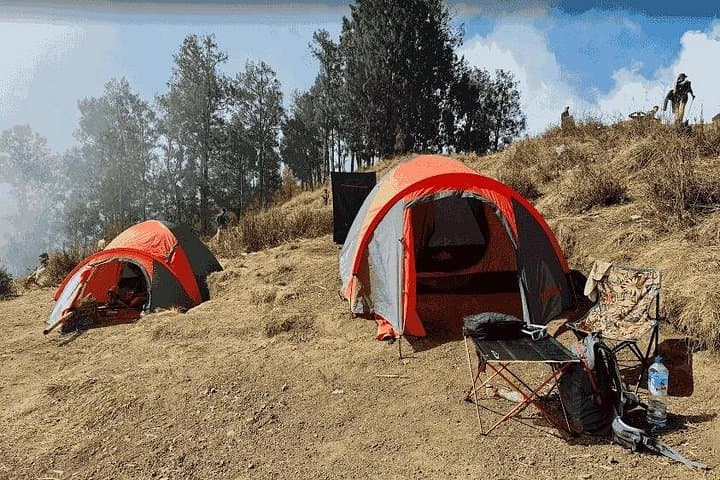
Most 2D/1N packages include tents, sleeping mats and sleeping bags; confirm with the operator and bring any personal comfort items you prefer.
This tour typically includes Mount Rinjani National Park entrance fees, but verify on booking to avoid surprises.
The rim is under 2,700 m, but some hikers still feel mild symptoms; stay hydrated, ascend at a steady pace and notify your guide of any concerning signs.
Rinjani’s caldera formed after the massive Samalas eruption in the 13th century; local Sasak communities revere the mountain and maintain traditional rituals tied to its slopes.
Trails see increasing use; visitors are asked to stick to established paths, pack out waste and support guide-operated groups that employ local porters to concentrate impact and income locally.
Rinjani Samalas Tour and Trekking operates guided outdoor trips and adventures with an emphasis on safety, stewardship, and memorable experiences.
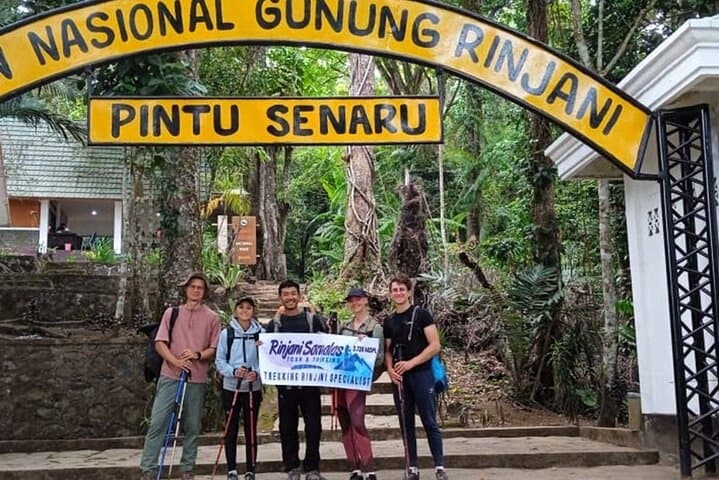
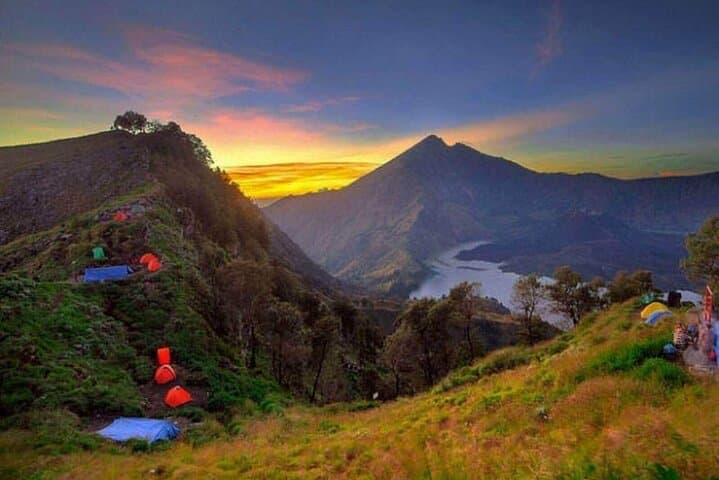
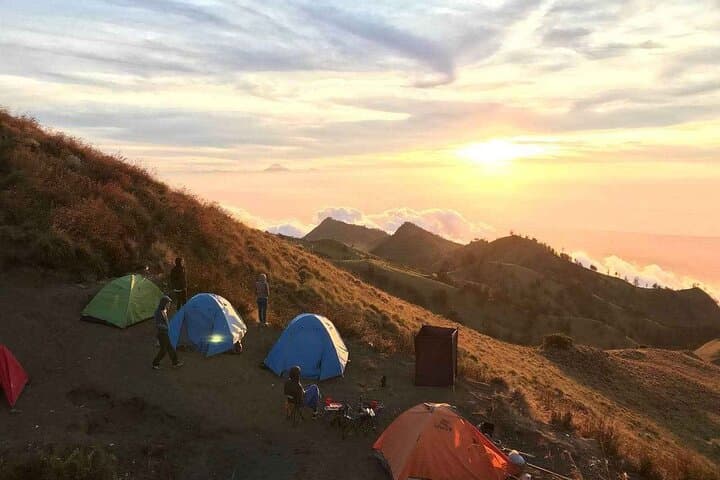
A humid dawn in Senaru opens with the jungle breathing around you — palms and dense undergrowth drip with last night’s mist as the trail climbs out of village rice terraces. Walkers move in a low, steady rhythm; the forest narrows, the air thins, and by late afternoon the crater rim reveals itself with a hard horizon: Segara Anak lake far below, steam from the inner caldera daring you to look closer, and a silhouette of Bali’s Mount Agung on the edge of sunset.
A humid dawn in Senaru opens with the jungle breathing around you — palms and dense undergrowth drip with last night’s mist as the trail climbs out of village rice terraces. Walkers move in a low, steady rhythm; the forest narrows, the air thins, and by late afternoon the crater rim reveals itself with a hard horizon: Segara Anak lake far below, steam from the inner caldera daring you to look closer, and a silhouette of Bali’s Mount Agung on the edge of sunset.
Mount Rinjani is an active stratovolcano shaped by the colossal Samalas eruption of the 13th century, which carved the present caldera and created the scenic Segara Anak. The north route through Senaru crosses biogeographical zones — tropical lowland, montane forest, then scrubby alpine ridges — and passes through Sasak villages where traditional weaving and mountain rituals persist.
Expect 2 days of guided trekking: Senaru village (about 601 m) to the crater rim (≈2,641 m) on day one and a descent back the next morning. Total elevation gain is roughly 2,000 m; trails alternate muddy switchbacks, rooty singletrack and rocky high ridges. Guides and porters are standard; camping gear, meals and park fees are usually included.
Practical tips: pace early on, manage water and electrolytes, and plan for sharp temperature swings at the rim. Weather can change fast — arrive with waterproof layers and a headlamp for pre-dawn moves. Respect local customs around sacred sites and pack out all trash to protect this active and culturally important landscape.