THE ADVENTURE COLLECTIVE® · Independent discovery and booking for outdoor travel

Join a qualified archaeologist for a focused, hands-on tour of the British Museum’s landmark galleries. Learn how objects from Egypt, Mesopotamia, Greece and beyond were made, moved and interpreted while getting practical tips for navigating the museum.
Join a qualified archaeologist for a focused, hands-on tour of the British Museum’s landmark galleries. Learn how objects from Egypt, Mesopotamia, Greece and beyond were made, moved and interpreted while getting practical tips for navigating the museum.
You step off Great Russell Street and into a cool, echoing hall where stone and bronze keep their own counsel. The air smells faintly of old paper and polished casework; footsteps and low conversation thread their way beneath the museum's grand roof. An archaeologist leads the small group, pointing out tool marks on a shard or the faint curve of a worn inscription, turning objects into stories.
Verified experiences and guided adventures in the surrounding area.
Operated by Spirit of Discovery Tours · London, England
You step off Great Russell Street and into a cool, echoing hall where stone and bronze keep their own counsel. The air smells faintly of old paper and polished casework; footsteps and low conversation thread their way beneath the museum's grand roof. An archaeologist leads the small group, pointing out tool marks on a shard or the faint curve of a worn inscription, turning objects into stories.
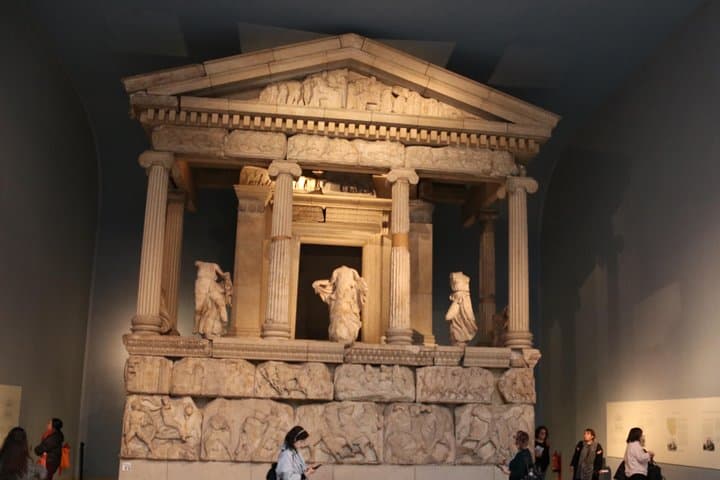
The British Museum began as Sir Hans Sloane’s collection in 1753 and grew into a public archive of human history: Egyptian sarcophagi from the Nile’s floodplains, Assyrian reliefs carved from Mesopotamian gypsum, and marble slabs brought from Athenian quarries. The tour connects those geographies—riverine silt, coastal trade routes, mountain quarries—to the cultural contexts that produced the objects.
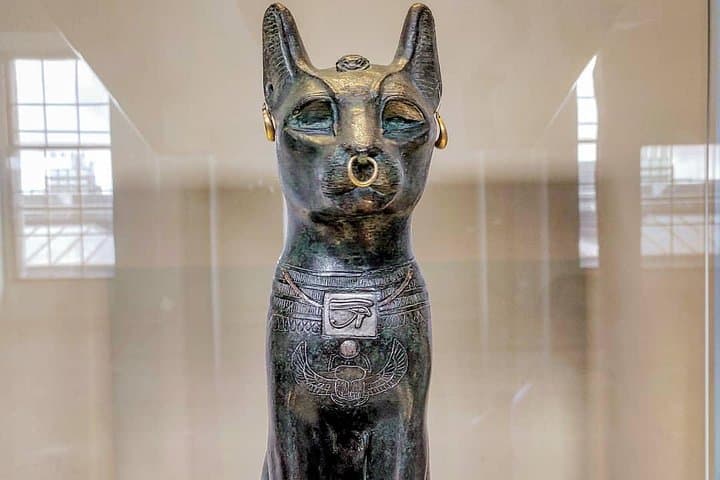
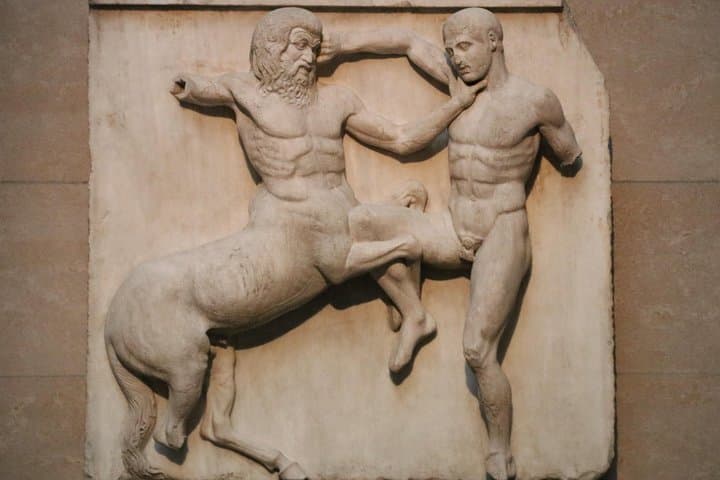
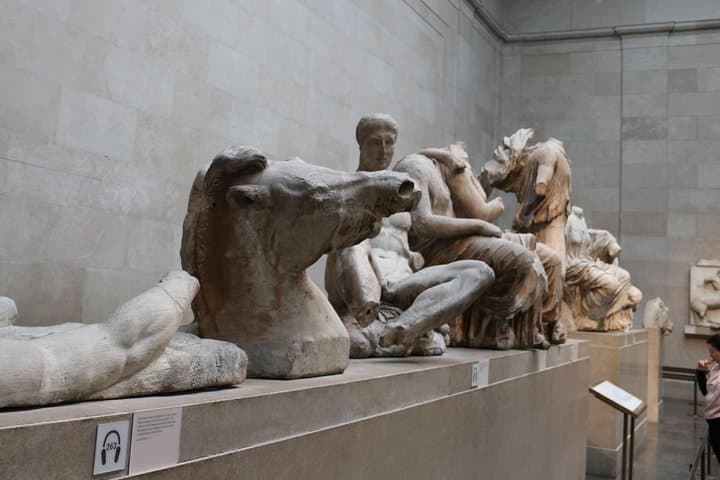
Expect a mix of big-name highlights (the Rosetta Stone, Parthenon sculptures, Lewis Chessmen) and close-up sessions where material, script and technique are explained by a qualified archaeologist. Local color comes from Bloomsbury: university cafés, bookshops and Russell Square’s green space that once hosted scholarly debates.
Practical guidance: the tour lasts about five to six hours with plenty of standing and walking—comfortable shoes help. The museum allows free entry to its permanent collection, but check whether special exhibitions require separate tickets. Bags are screened; bring a reusable water bottle and a compact notebook. Weekdays and early mornings are quieter; summer afternoons are busiest. Accessibility is high, but notify the operator of any mobility needs when booking.
easy.
5–6 hours.
Suitable for all fitness levels, but expect several hours of walking and standing; breaks available.
The museum's permanent collection is free, but the tour fee covers the qualified archaeologist guide; separate charges may apply for special exhibitions—confirm at booking.
The experience runs about 5–6 hours total with steady walking and standing; expect several gallery segments and short breaks.
The British Museum and this tour are wheelchair accessible; notify the operator of requirements when booking to arrange assistance if needed.
Photography is generally allowed in many galleries without flash, but some items or temporary exhibitions restrict photos—follow the guide and posted signs.
Founded in 1753 from Sir Hans Sloane’s collection, the museum was among the first public institutions aimed at universal learning and debate.
High visitor numbers put pressure on historic objects and cases—follow no-touch rules, use low-impact transport, and consider donating to museum conservation funds.
Spirit of Discovery Tours operates guided outdoor trips and adventures with an emphasis on safety, stewardship, and memorable experiences.
You step off Great Russell Street and into a cool, echoing hall where stone and bronze keep their own counsel. The air smells faintly of old paper and polished casework; footsteps and low conversation thread their way beneath the museum's grand roof. An archaeologist leads the small group, pointing out tool marks on a shard or the faint curve of a worn inscription, turning objects into stories.
You step off Great Russell Street and into a cool, echoing hall where stone and bronze keep their own counsel. The air smells faintly of old paper and polished casework; footsteps and low conversation thread their way beneath the museum's grand roof. An archaeologist leads the small group, pointing out tool marks on a shard or the faint curve of a worn inscription, turning objects into stories.
The British Museum began as Sir Hans Sloane’s collection in 1753 and grew into a public archive of human history: Egyptian sarcophagi from the Nile’s floodplains, Assyrian reliefs carved from Mesopotamian gypsum, and marble slabs brought from Athenian quarries. The tour connects those geographies—riverine silt, coastal trade routes, mountain quarries—to the cultural contexts that produced the objects.
Expect a mix of big-name highlights (the Rosetta Stone, Parthenon sculptures, Lewis Chessmen) and close-up sessions where material, script and technique are explained by a qualified archaeologist. Local color comes from Bloomsbury: university cafés, bookshops and Russell Square’s green space that once hosted scholarly debates.
Practical guidance: the tour lasts about five to six hours with plenty of standing and walking—comfortable shoes help. The museum allows free entry to its permanent collection, but check whether special exhibitions require separate tickets. Bags are screened; bring a reusable water bottle and a compact notebook. Weekdays and early mornings are quieter; summer afternoons are busiest. Accessibility is high, but notify the operator of any mobility needs when booking.