THE ADVENTURE COLLECTIVE® · Independent discovery and booking for outdoor travel

Perched above the Danube on Vifor Hill, Crama Rasova pairs modern winemaking with panoramic river views. This half- to full-day tasting from Bucharest mixes technical cellar tours, local cuisine at Nativ restaurant, and a chance to sample rare Dobrogea varieties.
Perched above the Danube on Vifor Hill, Crama Rasova pairs modern winemaking with panoramic river views. This half- to full-day tasting from Bucharest mixes technical cellar tours, local cuisine at Nativ restaurant, and a chance to sample rare Dobrogea varieties.
You arrive on Vifor Hill as the Danube stretches like a slow-moving current below, the river pushing the light across vineyards and low scrub. Crama Rasova’s modern buildings sit half in glass and half in stone, where stainless-steel vats and oak barrels stand like tools of deliberate craft. A tasting room window frames the river; outside, terraces slope toward the water and the air carries a salt-smoothed edge from the Danube.
Verified experiences and guided adventures in the surrounding area.
Operated by Bucharest Mobility · Rasova, Constanța
You arrive on Vifor Hill as the Danube stretches like a slow-moving current below, the river pushing the light across vineyards and low scrub. Crama Rasova’s modern buildings sit half in glass and half in stone, where stainless-steel vats and oak barrels stand like tools of deliberate craft. A tasting room window frames the river; outside, terraces slope toward the water and the air carries a salt-smoothed edge from the Danube.
Dobrogea’s soils are a mix of loess and river-deposited sediments; that minerality shows in local varietals and rare indigenous grapes revived by recent producers. The region layers Ottoman, Greek and Roman histories, and Rasova’s proximity to old trade routes explains its long relationship with wine and river commerce. The adjacent Nativ restaurant prioritizes local produce — small plates that highlight sheep cheeses, river fish and peppery greens — paired to amplify tasting notes.
Expect a structured tasting led by a guide who explains fermentation choices, grape selection and barrel age. Photography is straightforward: wide-angle shots from the terrace capture the Danube curve, while close-ups reward the labels and glassware. Practicalities matter as much as palate: the hill can be windy, pours are moderate but numerous, and the winery’s modern design means easy access for most visitors.
Plan for a half- to full-day outing from Bucharest: arrive with comfortable shoes, sun protection and a readiness to ask about varietals you’ve never heard of. The experience marries technical viticulture talk with clear, scenic reward — wine, view and river in one measured visit.
easy.
6–9 hours.
Suitable for most fitness levels; involves short walks around the cellar and terraces and limited standing during tastings.
Many bookings include private transportation; confirm pickup point and whether the transfer is door-to-door when you reserve.
Tastings are included as part of the experience; meals at Nativ are usually separate but often offered as a paired option in the itinerary.
The property is modern and reports stroller access and infant seats available, but confirm accessibility details for specific mobility needs before booking.
Yes — the winery typically sells bottles and can advise on shipping options for international buyers, subject to local export rules.
Dobrogea’s vineyards reflect centuries of changing empires and trade along the Danube; recent producers are reviving local varieties with modern techniques.
Visitors are encouraged to stick to marked paths to protect riparian vegetation; wineries in the region increasingly adopt water-efficient fermentation and reduced chemical inputs.
Bucharest Mobility operates guided outdoor trips and adventures with an emphasis on safety, stewardship, and memorable experiences.
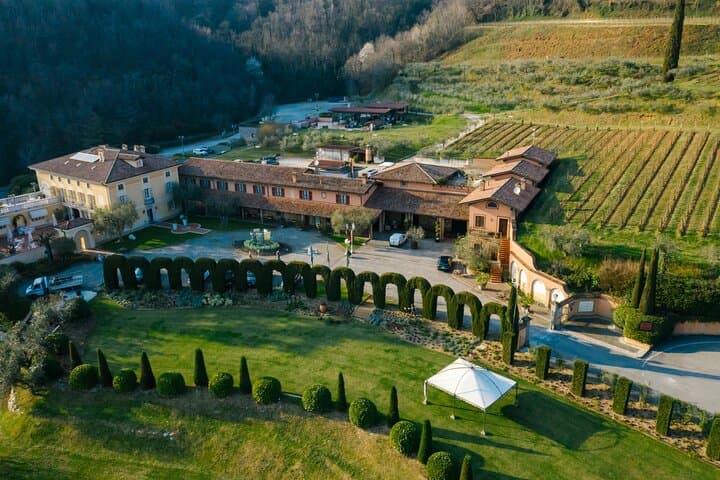


You arrive on Vifor Hill as the Danube stretches like a slow-moving current below, the river pushing the light across vineyards and low scrub. Crama Rasova’s modern buildings sit half in glass and half in stone, where stainless-steel vats and oak barrels stand like tools of deliberate craft. A tasting room window frames the river; outside, terraces slope toward the water and the air carries a salt-smoothed edge from the Danube.
You arrive on Vifor Hill as the Danube stretches like a slow-moving current below, the river pushing the light across vineyards and low scrub. Crama Rasova’s modern buildings sit half in glass and half in stone, where stainless-steel vats and oak barrels stand like tools of deliberate craft. A tasting room window frames the river; outside, terraces slope toward the water and the air carries a salt-smoothed edge from the Danube.
Dobrogea’s soils are a mix of loess and river-deposited sediments; that minerality shows in local varietals and rare indigenous grapes revived by recent producers. The region layers Ottoman, Greek and Roman histories, and Rasova’s proximity to old trade routes explains its long relationship with wine and river commerce. The adjacent Nativ restaurant prioritizes local produce — small plates that highlight sheep cheeses, river fish and peppery greens — paired to amplify tasting notes.
Expect a structured tasting led by a guide who explains fermentation choices, grape selection and barrel age. Photography is straightforward: wide-angle shots from the terrace capture the Danube curve, while close-ups reward the labels and glassware. Practicalities matter as much as palate: the hill can be windy, pours are moderate but numerous, and the winery’s modern design means easy access for most visitors.
Plan for a half- to full-day outing from Bucharest: arrive with comfortable shoes, sun protection and a readiness to ask about varietals you’ve never heard of. The experience marries technical viticulture talk with clear, scenic reward — wine, view and river in one measured visit.