THE ADVENTURE COLLECTIVE® · Independent discovery and booking for outdoor travel

Spend two hours in Seoul learning both traditional and modern makgeolli techniques. Taste crafted styles, brew your own batch, and take home 1.2 liters to finish fermenting at your accommodation.
Spend two hours in Seoul learning both traditional and modern makgeolli techniques. Taste crafted styles, brew your own batch, and take home 1.2 liters to finish fermenting at your accommodation.
The room smells of warm rice and yeast—bright, slightly sweet, promising. You stand at a low table with other students, hands already dusted by flour-like nuruk, learning to coax fizz and flavor from simple ingredients. Around you, ceramic jars and plastic vessels wait; an instructor moves between stations, explaining how temperature and timing steer fermentation.
Verified experiences and guided adventures in the surrounding area.
Operated by Baekusaeng Makgeolli · Seoul, Seoul
The room smells of warm rice and yeast—bright, slightly sweet, promising. You stand at a low table with other students, hands already dusted by flour-like nuruk, learning to coax fizz and flavor from simple ingredients. Around you, ceramic jars and plastic vessels wait; an instructor moves between stations, explaining how temperature and timing steer fermentation.
Makgeolli is Korea’s rustic rice wine, a living drink with roots in agrarian life and communal tables. For centuries it was brewed in homes and villages, offering calories and comfort to farmers; today craft producers blend that history with modern sanitation and experimentation.
Geologically, Korea’s rice terraces and temperate climate shaped the grain varieties and milling practices that define makgeolli’s texture. Culturally, the drink sits between ceremonial use and casual pub culture—served in bowls, shared at markets and craft bars across Seoul.
The two-hour Baekusaeng class moves from tasting and ingredient study to hands-on mixing, nuruk activation, and filtering. You’ll sample clear and traditional styles, learn about yeast behavior, and take home roughly 1.2 liters to complete fermentation at your accommodation.
Practical notes: arrive sober and ready to handle warm liquids; public transport is nearby; not recommended for pregnant travelers. Bring a small cooler or insulated bag if you’re traveling during summer, and plan to finish fermenting your bottle at your lodging per the instructor’s directions.
This is a technical, tactile class aimed at people who want to keep brewing—expect to leave with recipes, troubleshooting tips, and a concrete next step to continue crafting makgeolli at home.
easy.
2 hours.
Minimal physical exertion; suitable for most adults comfortable standing and handling light manual tasks.
You’ll take home approximately 1.2 liters of mixed makgeolli to complete fermentation and conditioning at your accommodation.
No—this is a beginner-friendly class that teaches foundational techniques and troubleshooting tips to continue brewing at home.
The class involves alcohol and active fermentation; check with the operator, but it’s generally aimed at adults and not recommended for young children.
Yes—ingredients, plastic vessels, cheesecloth, and most tools are provided as part of the class.
Makgeolli traces back centuries as a farmhouse rice wine consumed by rural communities; recent decades have seen a resurgence of craft producers reviving regional styles.
Small craft breweries often source local rice and use reusable vessels; bring your own bottle bag and follow instructors’ disposal guidance to reduce waste.
Baekusaeng Makgeolli operates guided outdoor trips and adventures with an emphasis on safety, stewardship, and memorable experiences.
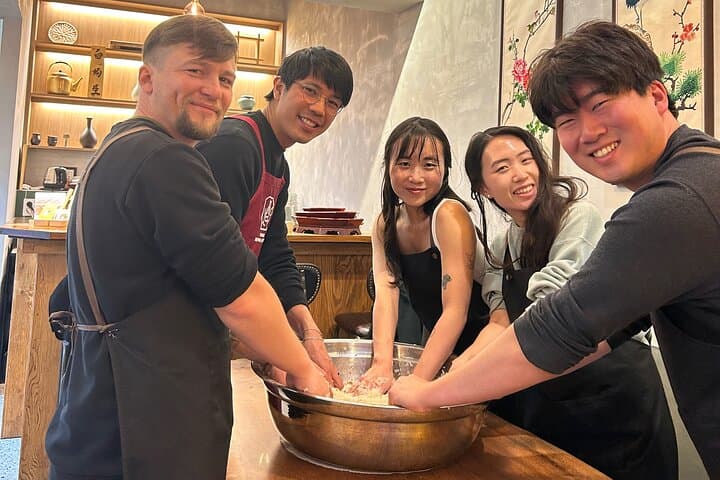
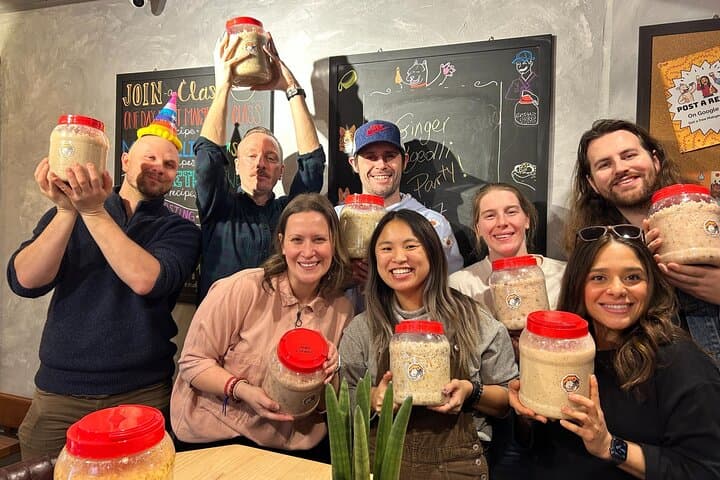
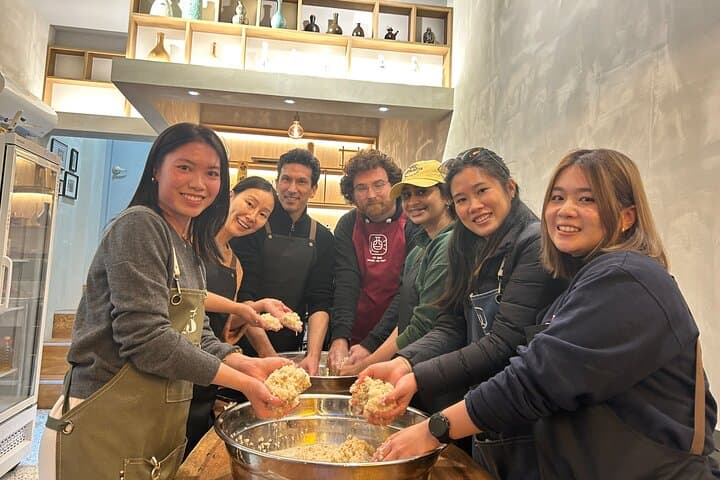
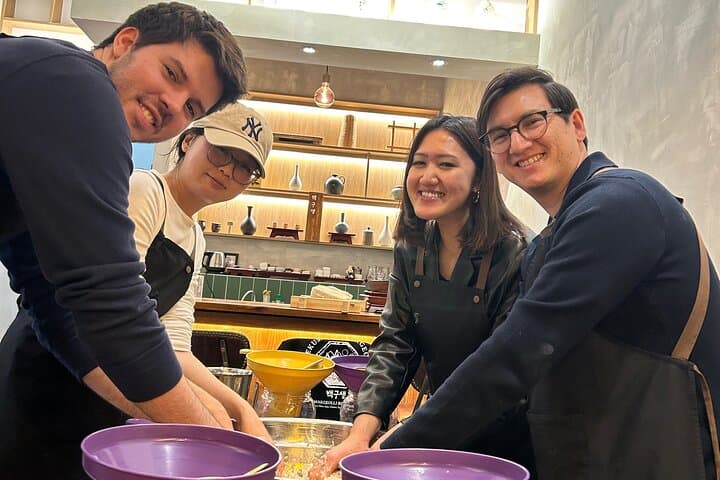
The room smells of warm rice and yeast—bright, slightly sweet, promising. You stand at a low table with other students, hands already dusted by flour-like nuruk, learning to coax fizz and flavor from simple ingredients. Around you, ceramic jars and plastic vessels wait; an instructor moves between stations, explaining how temperature and timing steer fermentation.
The room smells of warm rice and yeast—bright, slightly sweet, promising. You stand at a low table with other students, hands already dusted by flour-like nuruk, learning to coax fizz and flavor from simple ingredients. Around you, ceramic jars and plastic vessels wait; an instructor moves between stations, explaining how temperature and timing steer fermentation.
Makgeolli is Korea’s rustic rice wine, a living drink with roots in agrarian life and communal tables. For centuries it was brewed in homes and villages, offering calories and comfort to farmers; today craft producers blend that history with modern sanitation and experimentation.
Geologically, Korea’s rice terraces and temperate climate shaped the grain varieties and milling practices that define makgeolli’s texture. Culturally, the drink sits between ceremonial use and casual pub culture—served in bowls, shared at markets and craft bars across Seoul.
The two-hour Baekusaeng class moves from tasting and ingredient study to hands-on mixing, nuruk activation, and filtering. You’ll sample clear and traditional styles, learn about yeast behavior, and take home roughly 1.2 liters to complete fermentation at your accommodation.
Practical notes: arrive sober and ready to handle warm liquids; public transport is nearby; not recommended for pregnant travelers. Bring a small cooler or insulated bag if you’re traveling during summer, and plan to finish fermenting your bottle at your lodging per the instructor’s directions.
This is a technical, tactile class aimed at people who want to keep brewing—expect to leave with recipes, troubleshooting tips, and a concrete next step to continue crafting makgeolli at home.