THE ADVENTURE COLLECTIVE® · Independent discovery and booking for outdoor travel

Explore the Cradle of Humankind on a full-day tour that pairs underground cave visits at Sterkfontein with the interactive Maropeng Visitor Centre. Expect guided fossil-rich caverns, a short underground boat ride, and hands-on exhibits that trace human evolution.
Explore the Cradle of Humankind on a full-day tour that pairs underground cave visits at Sterkfontein with the interactive Maropeng Visitor Centre. Expect guided fossil-rich caverns, a short underground boat ride, and hands-on exhibits that trace human evolution.
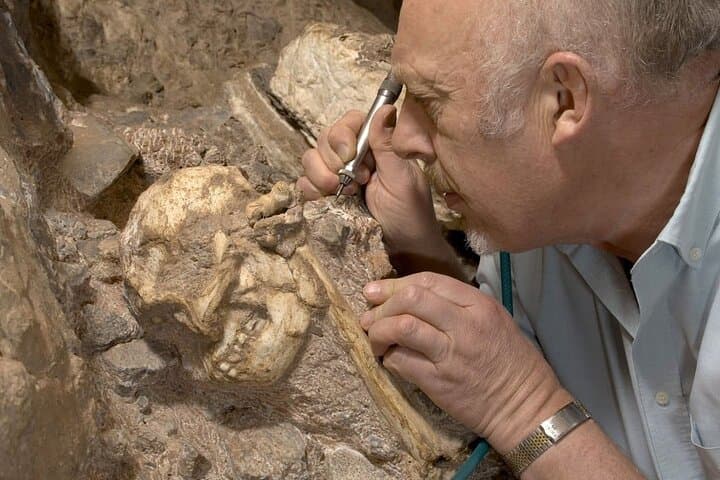
A cool draft meets you at the cave mouth — the air changing from warm highveld sun to the quiet, mineral-cool dark of the Sterkfontein caverns. Footsteps echo down carved limestone, and a guide points to fossil-bearing rock layers that read like pages from deep time.
Verified experiences and guided adventures in the surrounding area.
Operated by Kganya Safaris · Maropeng, Gauteng
A cool draft meets you at the cave mouth — the air changing from warm highveld sun to the quiet, mineral-cool dark of the Sterkfontein caverns. Footsteps echo down carved limestone, and a guide points to fossil-bearing rock layers that read like pages from deep time.
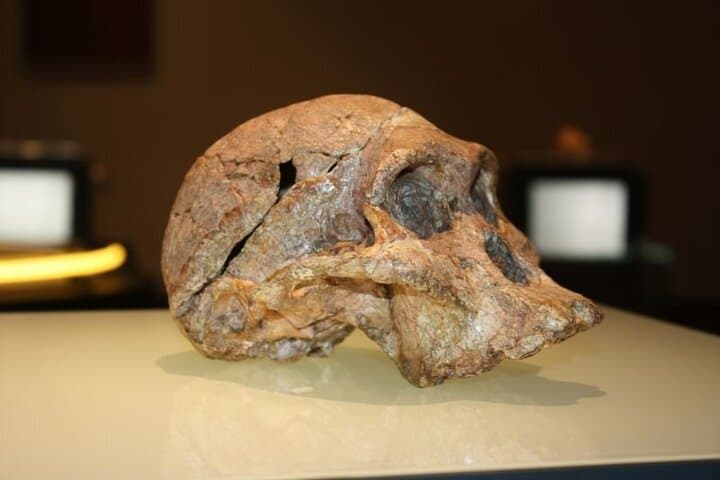
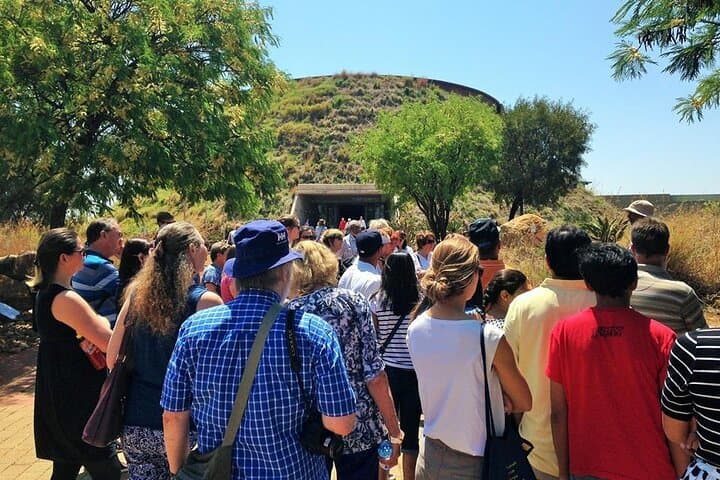
The Cradle of Humankind is a world-class paleoanthropological landscape: dolomite karst formed over millions of years, caves that trapped sediment and bone, and museum halls at Maropeng that translate fossil finds into human stories. The region records hominin activity spanning millions of years; excavations at Sterkfontein yielded some of the most important Australopithecus specimens, while Maropeng’s Tumulus building frames geology and evolution with interactive exhibits.
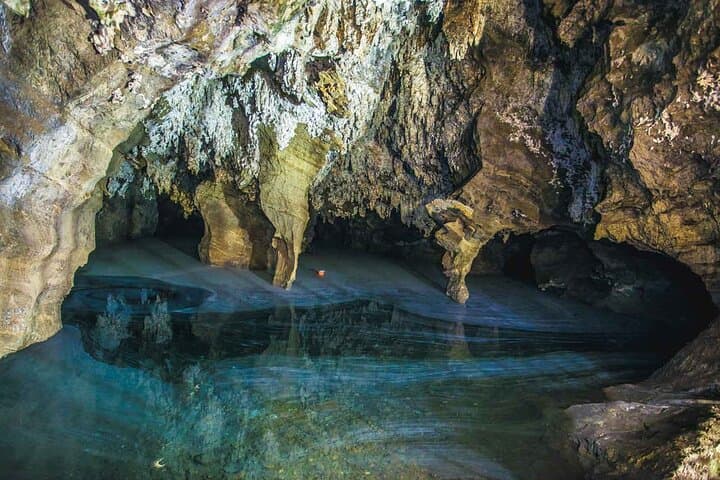
Culturally, the site sits within Gauteng’s farming and mining history, with local communities and scientists balancing tourism, research, and preservation. Geology is visible everywhere — folded strata, sinkholes, and the underground lake where a short boat ride gives a different perspective of cavern morphology.
Practical guidance: the full shared tour is about 6–7 hours including transport, guided cave visits, an underground boat section, and museum time. Wear sturdy closed-toe shoes for uneven surfaces and occasional steps, and bring layers — the surface sun contrasts with cave coolness. Photography is generally allowed in the museum; cave lighting can be dim. Expect moderate walking, some stairs, and informative stops; guides explain both the science and the conservation practices that protect fragile fossil deposits.
Plan visits mid-morning to avoid peak coach arrivals, hydrate before entering caves, and allow time at Maropeng to explore the exhibitions and displays.
easy.
6–7 hours.
Light to moderate: suitable for travelers comfortable standing and walking short distances; not strenuous.
The shared tour runs about 6–7 hours and includes guided visits to Sterkfontein Caves (with an underground boat section), access to Maropeng exhibitions, and return transport in an air-conditioned vehicle.
Some parts of the attraction and transport are wheelchair accessible, but cave passages can include steps and narrow walkways — check accessibility details with the operator before booking.
Photography is generally permitted in the museum; cave areas may have low light or restricted zones—follow guide instructions and avoid flash where requested to protect fossils.
Maropeng has a café and visitor facilities; bring snacks and water for between stops, but expect a scheduled lunch break or time at the visitor center to purchase food.
The Cradle of Humankind area has produced fossil hominin remains dating back millions of years; Sterkfontein and nearby sites shaped 20th-century paleoanthropology and continue to inform human origins research.
Access is managed to protect fragile fossil deposits and underground ecosystems; visitors should stay on paths, avoid touching exposed bones, and support local conservation programs when available.
Kganya Safaris operates guided outdoor trips and adventures with an emphasis on safety, stewardship, and memorable experiences.
A cool draft meets you at the cave mouth — the air changing from warm highveld sun to the quiet, mineral-cool dark of the Sterkfontein caverns. Footsteps echo down carved limestone, and a guide points to fossil-bearing rock layers that read like pages from deep time.
A cool draft meets you at the cave mouth — the air changing from warm highveld sun to the quiet, mineral-cool dark of the Sterkfontein caverns. Footsteps echo down carved limestone, and a guide points to fossil-bearing rock layers that read like pages from deep time.
The Cradle of Humankind is a world-class paleoanthropological landscape: dolomite karst formed over millions of years, caves that trapped sediment and bone, and museum halls at Maropeng that translate fossil finds into human stories. The region records hominin activity spanning millions of years; excavations at Sterkfontein yielded some of the most important Australopithecus specimens, while Maropeng’s Tumulus building frames geology and evolution with interactive exhibits.
Culturally, the site sits within Gauteng’s farming and mining history, with local communities and scientists balancing tourism, research, and preservation. Geology is visible everywhere — folded strata, sinkholes, and the underground lake where a short boat ride gives a different perspective of cavern morphology.
Practical guidance: the full shared tour is about 6–7 hours including transport, guided cave visits, an underground boat section, and museum time. Wear sturdy closed-toe shoes for uneven surfaces and occasional steps, and bring layers — the surface sun contrasts with cave coolness. Photography is generally allowed in the museum; cave lighting can be dim. Expect moderate walking, some stairs, and informative stops; guides explain both the science and the conservation practices that protect fragile fossil deposits.
Plan visits mid-morning to avoid peak coach arrivals, hydrate before entering caves, and allow time at Maropeng to explore the exhibitions and displays.