THE ADVENTURE COLLECTIVE® · Independent discovery and booking for outdoor travel

Spend five hours exploring two of Cozumel’s top reef sites on a guided two‑tank dive. This certified trip pairs long bottom times, crystal‑clear visibility, and experienced divemasters who handle logistics so you can focus on the reef.
Spend five hours exploring two of Cozumel’s top reef sites on a guided two‑tank dive. This certified trip pairs long bottom times, crystal‑clear visibility, and experienced divemasters who handle logistics so you can focus on the reef.
The sun cracks open over the Caribbean and the boat slips away from the pier, leaving a ribbon of island shoreline behind. Salt stings the back of the neck, engines hum into a steady cadence, and the captains scan the water for the day's best reefs. Within an hour the turquoise darkens, and the first line of coral appears beneath the surface—an invitation that requires nothing more than the courage to fall through it.
Verified experiences and guided adventures in the surrounding area.
Operated by Aquasafari Dive Shop · San Miguel de Cozumel, Quintana Roo
The sun cracks open over the Caribbean and the boat slips away from the pier, leaving a ribbon of island shoreline behind. Salt stings the back of the neck, engines hum into a steady cadence, and the captains scan the water for the day's best reefs. Within an hour the turquoise darkens, and the first line of coral appears beneath the surface—an invitation that requires nothing more than the courage to fall through it.
Cozumel's reef system is part of the Mesoamerican Barrier Reef, a living wall that has drawn divers since the 1960s when sport diving turned this small island into an international destination. The limestone base and strong currents sculpt ledges, swim-throughs, and gorgonian fields where sponges and elkhorn coral grow in vertical gardens. Culturally, Cozumel blends Yucatecan Mayan roots and a long history of fishing; those traditions still shape the island's relationship with the sea.
On a two-tank certified dive trip the pattern is efficient: a one-hour boat transit along the coast to reach a first site, an hour-long bottom time that skirts 12–18 meters (40–60 ft) through coral heads, an obligate surface interval while the crew moves the boat, and then a second dive usually deeper—18–30 meters (60–100 ft)—where the canyons and swim-throughs feel more dramatic. Currents here can be insistent and welcome; they push divers along the reef, making drift-style navigation the norm. Expect to see nurse sharks lounging in overhangs, turtles weaving through coral fingers, and dense schools of tropical fish that treat divers as another curious species.
Practicalities matter: Cozumel Palace is the standard meeting point (look for the exterior near the Chedraui parking lot if arriving by cruise taxi), and the whole experience runs about five hours. Operators provide tanks (80 cu ft), weights, BCDs, regs and a divemaster; bring your certification card, logbook, and a dive computer if you own one. Wheelchair access and public transport options are available, but this trip is not recommended for pregnant travelers or those with serious heart or respiratory conditions.
Timing for cruise passengers is critical—allow transit time and plan around your ship’s schedule. Hydrate before boarding, use reef‑safe sunscreen topside, and brief your buddy on hand signals and exit procedures: the day moves fast and surface intervals are non-negotiable. For photographers, a wide-angle lens and a steady buoyancy strategy pay dividends.
Cozumel delivers reliable visibility, dramatic reef structures, and approachable currents—an ideal day at sea for certified divers who want maximum bottom time and minimal fuss. Respect the reef, dive within your limits, and you'll leave with images, memories, and an urge to return.
moderate.
5 hours.
Moderate fitness—able to carry gear, climb in/out of boats and complete two hour-long dives with surface interval
Yes. This trip is for certified divers only—Open Water certification or higher is required and the dive guide will check your card.
Expect the first dive around 12–18 meters (40–60 ft) and the second often 18–30 meters (60–100 ft), depending on the day's sites and currents.
Standard gear—tanks (80 cu ft), BCD, regulator, weights, fins and wetsuit—are included; bring personal items like masks, computers and cameras.
Yes, but allow ample time—confirm ship departure, account for port delays, and ensure the operator knows you’re on a cruise schedule.
Trips are refundable if canceled for weather; operators typically offer a full refund if canceled at least 24 hours prior or due to unsafe conditions.
This dive is not recommended for pregnant travelers, those with serious heart or respiratory issues, recent surgeries, or spinal injuries—consult your physician before booking.
Cozumel became an international dive destination in the 1960s; its reefs sit on ancient limestone shelves shaped by sea-level changes and strong currents.
Operators emphasize no‑touch diving, buoyancy control, and reef‑safe sunscreen; local groups work to monitor coral health and reduce anchor damage.
Aquasafari Dive Shop operates guided outdoor trips and adventures with an emphasis on safety, stewardship, and memorable experiences.
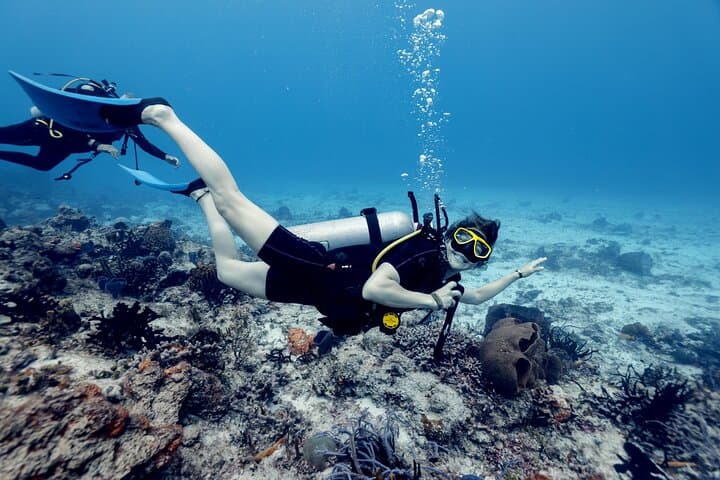
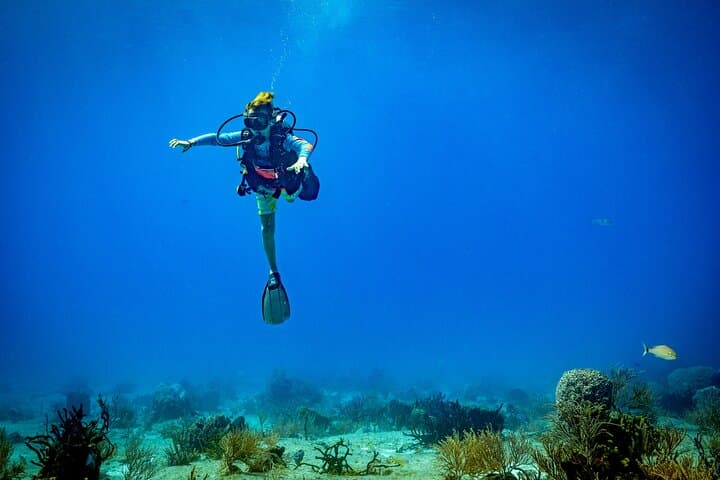
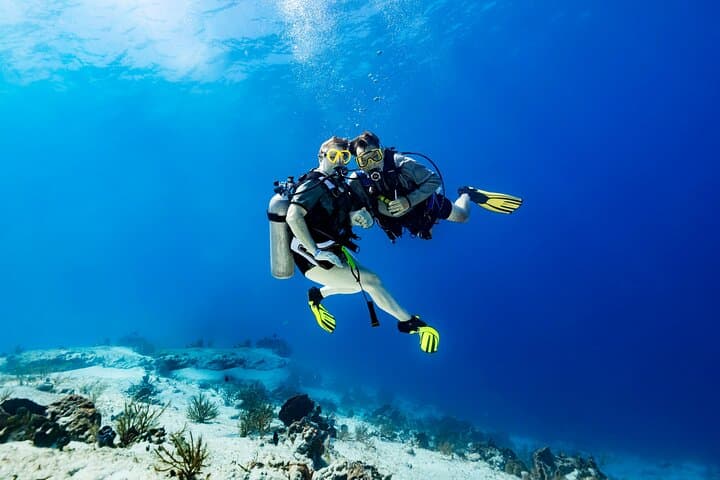
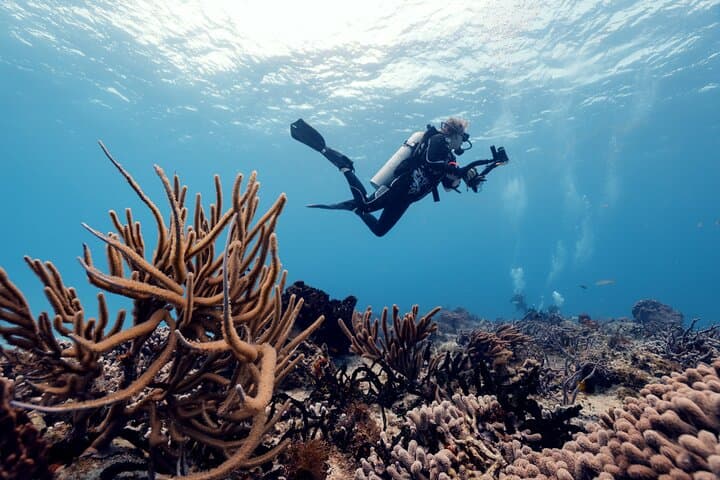
The sun cracks open over the Caribbean and the boat slips away from the pier, leaving a ribbon of island shoreline behind. Salt stings the back of the neck, engines hum into a steady cadence, and the captains scan the water for the day's best reefs. Within an hour the turquoise darkens, and the first line of coral appears beneath the surface—an invitation that requires nothing more than the courage to fall through it.
The sun cracks open over the Caribbean and the boat slips away from the pier, leaving a ribbon of island shoreline behind. Salt stings the back of the neck, engines hum into a steady cadence, and the captains scan the water for the day's best reefs. Within an hour the turquoise darkens, and the first line of coral appears beneath the surface—an invitation that requires nothing more than the courage to fall through it.
Cozumel's reef system is part of the Mesoamerican Barrier Reef, a living wall that has drawn divers since the 1960s when sport diving turned this small island into an international destination. The limestone base and strong currents sculpt ledges, swim-throughs, and gorgonian fields where sponges and elkhorn coral grow in vertical gardens. Culturally, Cozumel blends Yucatecan Mayan roots and a long history of fishing; those traditions still shape the island's relationship with the sea.
On a two-tank certified dive trip the pattern is efficient: a one-hour boat transit along the coast to reach a first site, an hour-long bottom time that skirts 12–18 meters (40–60 ft) through coral heads, an obligate surface interval while the crew moves the boat, and then a second dive usually deeper—18–30 meters (60–100 ft)—where the canyons and swim-throughs feel more dramatic. Currents here can be insistent and welcome; they push divers along the reef, making drift-style navigation the norm. Expect to see nurse sharks lounging in overhangs, turtles weaving through coral fingers, and dense schools of tropical fish that treat divers as another curious species.
Practicalities matter: Cozumel Palace is the standard meeting point (look for the exterior near the Chedraui parking lot if arriving by cruise taxi), and the whole experience runs about five hours. Operators provide tanks (80 cu ft), weights, BCDs, regs and a divemaster; bring your certification card, logbook, and a dive computer if you own one. Wheelchair access and public transport options are available, but this trip is not recommended for pregnant travelers or those with serious heart or respiratory conditions.
Timing for cruise passengers is critical—allow transit time and plan around your ship’s schedule. Hydrate before boarding, use reef‑safe sunscreen topside, and brief your buddy on hand signals and exit procedures: the day moves fast and surface intervals are non-negotiable. For photographers, a wide-angle lens and a steady buoyancy strategy pay dividends.
Cozumel delivers reliable visibility, dramatic reef structures, and approachable currents—an ideal day at sea for certified divers who want maximum bottom time and minimal fuss. Respect the reef, dive within your limits, and you'll leave with images, memories, and an urge to return.