THE ADVENTURE COLLECTIVE® · Independent discovery and booking for outdoor travel

Slip off a boat and into three of Cozumel’s top snorkeling sites—Palancar, Colombia and El Cielo—on a single, well-paced day trip that pairs guided snorkeling with beach time and a chance to wander San Miguel. Expect clear water, coral gardens and a practical, family-friendly itinerary.
Slip off a boat and into three of Cozumel’s top snorkeling sites—Palancar, Colombia and El Cielo—on a single, well-paced day trip that pairs guided snorkeling with beach time and a chance to wander San Miguel. Expect clear water, coral gardens and a practical, family-friendly itinerary.
The engine thrum softens as the turquoise opens up and the island of Cozumel slips into view—white sand, low mangroves and a horizon the color of a polished aquamarine. On this full-day run you’ll drop into three distinct reef worlds: Palancar’s sculpted coral gardens, Colombia’s sheltered swim-throughs, and El Cielo’s shoals of sunlit sand where brittle stars peer up like constellations beneath the surface.
Verified experiences and guided adventures in the surrounding area.
Operated by Cancun City Tour · San Miguel de Cozumel, Quintana Roo
The engine thrum softens as the turquoise opens up and the island of Cozumel slips into view—white sand, low mangroves and a horizon the color of a polished aquamarine. On this full-day run you’ll drop into three distinct reef worlds: Palancar’s sculpted coral gardens, Colombia’s sheltered swim-throughs, and El Cielo’s shoals of sunlit sand where brittle stars peer up like constellations beneath the surface.
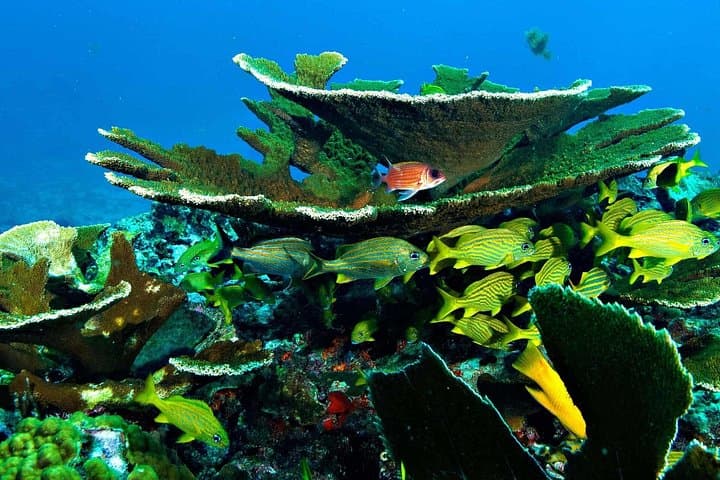
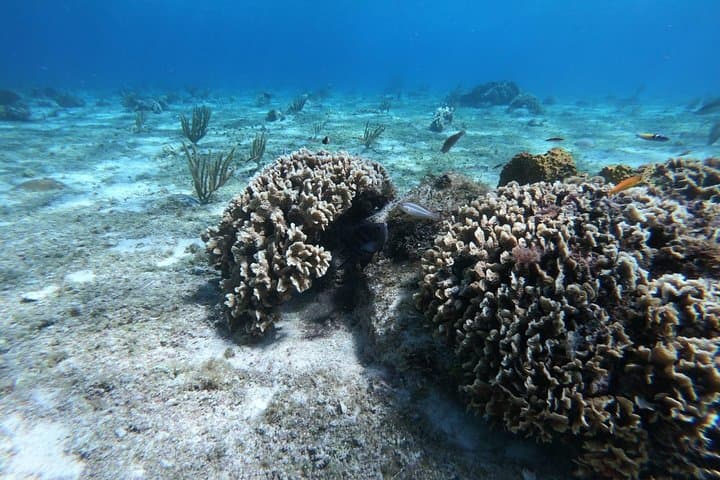
These reefs sit on the edge of the Mesoamerican Barrier Reef, the second-largest living reef system on the planet. Palancar is a mixed landscape of coral fingers and vertical walls formed over millennia; Colombia Reef is shallower and often calmer, a nursery for parrotfish and angelfish; El Cielo is a shallow sandflat dotted with sea stars and shimmering patches of seagrass that refract the sun like broken glass.
Cozumel’s maritime history is layered. The island was a waypoint for Mayan sea routes and later a stop in Caribbean shipping lanes; modern tourism has altered that story, but local dive operators and conservation groups still rally to protect fragile coral nurseries and the island’s fishing traditions. You’ll notice signs asking you to use only biodegradable sunscreen—a simple but important rule aimed at minimizing chemicals that stress corals.
Practically, expect a 10‑hour excursion that includes round transportation from Playa del Carmen or Cancun, a short ferry/boat transfer to Cozumel, and three 45‑minute snorkel stops. Guides provide basic snorkel gear and a boat lunch; you’ll also have two hours to explore San Miguel’s waterfront for coffee or taco stands before returning. The trip moves at a comfortable pace but keep in mind the preservation tax (about $4 USD) and the operator’s requirement for reef‑safe sunscreen.
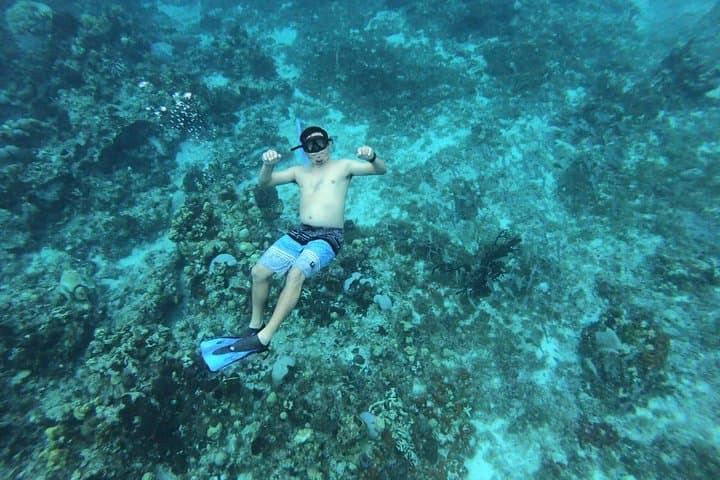
In the water, currents will occasionally nudge you along—let the ocean do the work but keep a firm hand on your mask and fins. Visibility averages very good, especially in winter and spring, and sea temperatures range from the low 70s°F in winter to the mid‑80s°F in summer. If you’re prone to seasickness, take precautions the night before and the morning of departure.
This tour blends spectacle and accessibility: three reefs that together showcase Caribbean coral structures, schooling fish, and that rare shallow world where starfish claim the sand. For travelers who want a full, practical day on the water—with guides, transportation and a balanced mix of adventure and downtime—this Cozumel run is hard to beat.
easy.
10 hours.
Suitable for most fitness levels; basic swimming comfort and ability to snorkel for short bursts required.
Round transportation is offered from Cancun and Playa del Carmen; exact pickup time depends on your hotel location—contact the supplier to confirm.
Yes—snorkel gear is provided, but many travelers bring their own mask and fins for better fit and comfort.
Absolutely—this excursion is rated easy and suitable for those comfortable in the water; guides offer basic snorkeling instruction.
Infants must sit on an adult’s lap; the tour is not recommended for pregnant travelers or people with serious back or heart problems.
Lunch and a box lunch during transport are included; vegetarian and vegan options can be accommodated if you contact the operator in advance.
There is a preservation tax of approximately $4 USD per person that is not included in the tour price.
Cozumel served as an important stop on pre‑Columbian maritime routes for the Maya and later became a strategic waypoint in Caribbean shipping; modern tourism both supports and pressures the island’s marine resources.
Operators require biodegradable sunscreen and the area charges a small preservation fee; locally run coral restoration projects and mooring buoys help reduce anchor damage.
Cancun City Tour operates guided outdoor trips and adventures with an emphasis on safety, stewardship, and memorable experiences.
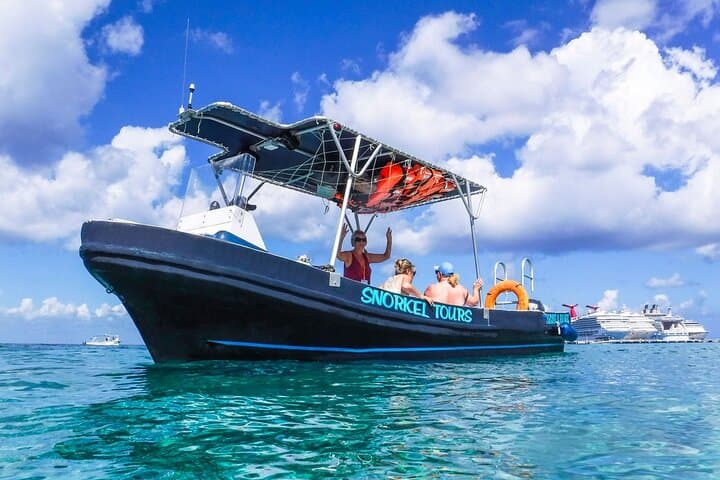
The engine thrum softens as the turquoise opens up and the island of Cozumel slips into view—white sand, low mangroves and a horizon the color of a polished aquamarine. On this full-day run you’ll drop into three distinct reef worlds: Palancar’s sculpted coral gardens, Colombia’s sheltered swim-throughs, and El Cielo’s shoals of sunlit sand where brittle stars peer up like constellations beneath the surface.
The engine thrum softens as the turquoise opens up and the island of Cozumel slips into view—white sand, low mangroves and a horizon the color of a polished aquamarine. On this full-day run you’ll drop into three distinct reef worlds: Palancar’s sculpted coral gardens, Colombia’s sheltered swim-throughs, and El Cielo’s shoals of sunlit sand where brittle stars peer up like constellations beneath the surface.
These reefs sit on the edge of the Mesoamerican Barrier Reef, the second-largest living reef system on the planet. Palancar is a mixed landscape of coral fingers and vertical walls formed over millennia; Colombia Reef is shallower and often calmer, a nursery for parrotfish and angelfish; El Cielo is a shallow sandflat dotted with sea stars and shimmering patches of seagrass that refract the sun like broken glass.
Cozumel’s maritime history is layered. The island was a waypoint for Mayan sea routes and later a stop in Caribbean shipping lanes; modern tourism has altered that story, but local dive operators and conservation groups still rally to protect fragile coral nurseries and the island’s fishing traditions. You’ll notice signs asking you to use only biodegradable sunscreen—a simple but important rule aimed at minimizing chemicals that stress corals.
Practically, expect a 10‑hour excursion that includes round transportation from Playa del Carmen or Cancun, a short ferry/boat transfer to Cozumel, and three 45‑minute snorkel stops. Guides provide basic snorkel gear and a boat lunch; you’ll also have two hours to explore San Miguel’s waterfront for coffee or taco stands before returning. The trip moves at a comfortable pace but keep in mind the preservation tax (about $4 USD) and the operator’s requirement for reef‑safe sunscreen.
In the water, currents will occasionally nudge you along—let the ocean do the work but keep a firm hand on your mask and fins. Visibility averages very good, especially in winter and spring, and sea temperatures range from the low 70s°F in winter to the mid‑80s°F in summer. If you’re prone to seasickness, take precautions the night before and the morning of departure.
This tour blends spectacle and accessibility: three reefs that together showcase Caribbean coral structures, schooling fish, and that rare shallow world where starfish claim the sand. For travelers who want a full, practical day on the water—with guides, transportation and a balanced mix of adventure and downtime—this Cozumel run is hard to beat.