THE ADVENTURE COLLECTIVE® · Independent discovery and booking for outdoor travel

Take your first scuba breaths on Cozumel’s famed reef at Chankanaab Marine Park. This guided one-tank Discovery dive is designed for beginners and pairs a calm shore entry with rich marine life and curated underwater features.
Take your first scuba breaths on Cozumel’s famed reef at Chankanaab Marine Park. This guided one-tank Discovery dive is designed for beginners and pairs a calm shore entry with rich marine life and curated underwater features.
The first inhale below the surface starts as an act of trust: warm Caribbean water pressing against the wetsuit, an instructor’s hand steady at your shoulder, the reef rolling out like a living map beneath. At Chankanaab Marine Park near San Miguel de Cozumel, that first breath turns the island’s famed reef from postcard color into a three-dimensional world—sculpted coral ridges, clouds of parrotfish, and the subtle choreography of tropical currents.
Verified experiences and guided adventures in the surrounding area.
Operated by Cozumel Tours and Excursions · Cozumel, Quintana Roo
The first inhale below the surface starts as an act of trust: warm Caribbean water pressing against the wetsuit, an instructor’s hand steady at your shoulder, the reef rolling out like a living map beneath. At Chankanaab Marine Park near San Miguel de Cozumel, that first breath turns the island’s famed reef from postcard color into a three-dimensional world—sculpted coral ridges, clouds of parrotfish, and the subtle choreography of tropical currents.
Chankanaab (meaning "small sea" in Mayan) is both a cultural anchor and a natural classroom. The park sits on the western flank of Cozumel’s reef—part of the Mesoamerican Barrier, the second-largest coral barrier in the world. The limestone bedrock and longshore currents built the coral shelves over millennia; today those shelves host an ecology both delicate and spectacular. The park also hosts an underwater sculpture exhibit and a small botanical garden onshore, connecting modern conservation efforts to the island’s Maya heritage.
This Discovery Scuba experience is oriented toward first-timers: a shore-based briefing, gear fitting, and a guided one-tank dive that introduces basic skills—mask clearing, regulator recovery, and buoyancy checks—before rolling into the shallow reef. Instructors keep groups small and practical; the emphasis is on comfort and controlled exposure. Expect to reach depths of roughly 20–30 feet on a single-air-tank dive, with the option to linger in calmer coves where fish habits are predictable and photographic opportunities plentiful.
Local insight: early morning slots often deliver the calmest surface conditions and clearer visibility, while mid-morning light yields the most saturated underwater color. The park’s admission fee supports reef maintenance and beach cleanups; operators provide full gear, a single air tank, a free locker and a courtesy drink, keeping logistics simple for travelers.
Practical guidance: arrive 15 minutes early for registration, bring a paperback or reef-safe sunscreen for sun-downer moments, and wear swimwear that’s easy to slip under a wetsuit. If you’re prone to seasickness, stay hydrated and eat lightly beforehand—this is a shore dive, so boat motion is minimal, but pre-dive comfort matters.
Skill expectations are modest: novices should be comfortable in water and able to follow instructor cues. Photographers will find vibrant macro life and the park’s sculpted installations ideal for wide-angle shots with a strobe.
In short, Chankanaab is a place where the first underwater breaths stop being tentative and become part of a practiced rhythm. The reef doesn’t merely exist here; it nudges you forward, invites a measured curiosity, and leaves most newcomers planning their return dive before they’re even back on dry land.
easy.
1–1.5 hours.
Suitable for people with basic swimming ability and good general health; not recommended for those with cardiovascular issues.
No—this is a Discovery Scuba experience designed for beginners with no prior certification required.
The guided one-tank dive typically stays in the 20–30 foot range, suitable for first-time divers.
Bring your ID, swimwear, a towel, and reef-safe sunscreen; operators supply all necessary dive gear and one air tank.
Yes—it's rated as physically easy, but not recommended for travelers with serious cardiovascular issues.
You may see green sea turtles, rays, and a variety of reef fish; sightings can't be guaranteed but the park's biodiversity is high.
Cancellation policy allows a full refund if canceled at least 24 hours in advance; day-of cancellations depend on operator discretion.
Chankanaab—literally 'small sea' in Mayan—has long been a coastal resource for island communities and is now managed as a marine park to protect reef habitat.
Park admission and operator fees contribute to reef maintenance and cleanups; divers are briefed on buoyancy and no-touch policies to minimize impact.
Cozumel Tours and Excursions operates guided outdoor trips and adventures with an emphasis on safety, stewardship, and memorable experiences.
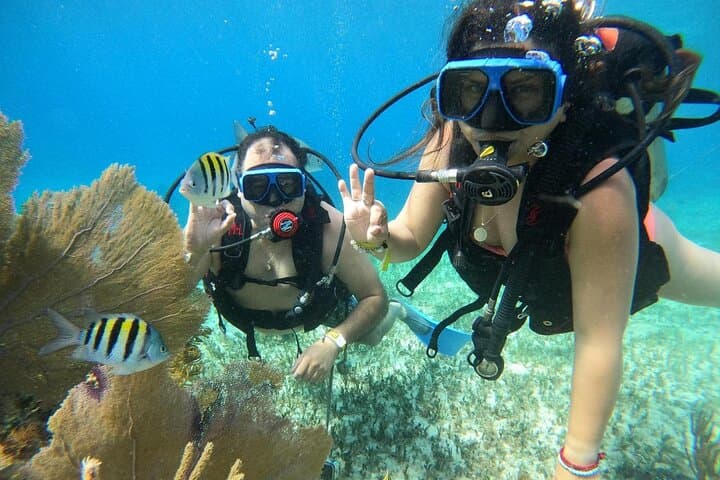
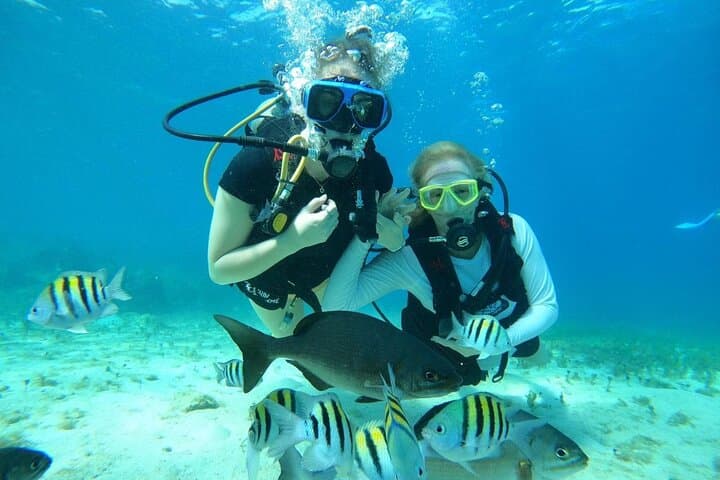
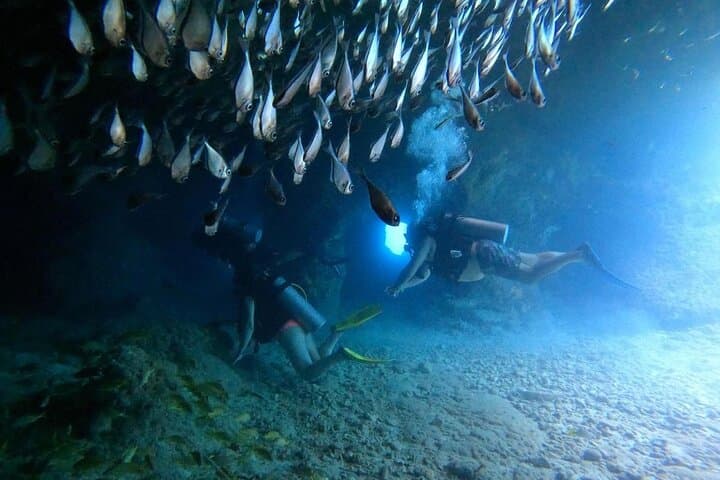
The first inhale below the surface starts as an act of trust: warm Caribbean water pressing against the wetsuit, an instructor’s hand steady at your shoulder, the reef rolling out like a living map beneath. At Chankanaab Marine Park near San Miguel de Cozumel, that first breath turns the island’s famed reef from postcard color into a three-dimensional world—sculpted coral ridges, clouds of parrotfish, and the subtle choreography of tropical currents.
The first inhale below the surface starts as an act of trust: warm Caribbean water pressing against the wetsuit, an instructor’s hand steady at your shoulder, the reef rolling out like a living map beneath. At Chankanaab Marine Park near San Miguel de Cozumel, that first breath turns the island’s famed reef from postcard color into a three-dimensional world—sculpted coral ridges, clouds of parrotfish, and the subtle choreography of tropical currents.
Chankanaab (meaning "small sea" in Mayan) is both a cultural anchor and a natural classroom. The park sits on the western flank of Cozumel’s reef—part of the Mesoamerican Barrier, the second-largest coral barrier in the world. The limestone bedrock and longshore currents built the coral shelves over millennia; today those shelves host an ecology both delicate and spectacular. The park also hosts an underwater sculpture exhibit and a small botanical garden onshore, connecting modern conservation efforts to the island’s Maya heritage.
This Discovery Scuba experience is oriented toward first-timers: a shore-based briefing, gear fitting, and a guided one-tank dive that introduces basic skills—mask clearing, regulator recovery, and buoyancy checks—before rolling into the shallow reef. Instructors keep groups small and practical; the emphasis is on comfort and controlled exposure. Expect to reach depths of roughly 20–30 feet on a single-air-tank dive, with the option to linger in calmer coves where fish habits are predictable and photographic opportunities plentiful.
Local insight: early morning slots often deliver the calmest surface conditions and clearer visibility, while mid-morning light yields the most saturated underwater color. The park’s admission fee supports reef maintenance and beach cleanups; operators provide full gear, a single air tank, a free locker and a courtesy drink, keeping logistics simple for travelers.
Practical guidance: arrive 15 minutes early for registration, bring a paperback or reef-safe sunscreen for sun-downer moments, and wear swimwear that’s easy to slip under a wetsuit. If you’re prone to seasickness, stay hydrated and eat lightly beforehand—this is a shore dive, so boat motion is minimal, but pre-dive comfort matters.
Skill expectations are modest: novices should be comfortable in water and able to follow instructor cues. Photographers will find vibrant macro life and the park’s sculpted installations ideal for wide-angle shots with a strobe.
In short, Chankanaab is a place where the first underwater breaths stop being tentative and become part of a practiced rhythm. The reef doesn’t merely exist here; it nudges you forward, invites a measured curiosity, and leaves most newcomers planning their return dive before they’re even back on dry land.