THE ADVENTURE COLLECTIVE® · Independent discovery and booking for outdoor travel

Explore UNAM’s murals, the historic heart of Coyoacán, and the canal networks of Xochimilco on an eight-hour small-group tour. Expect cobbled streets, market flavors, and a 40–60 minute trajinera ride through the last remnants of the ancient lake.
Explore UNAM’s murals, the historic heart of Coyoacán, and the canal networks of Xochimilco on an eight-hour small-group tour. Expect cobbled streets, market flavors, and a 40–60 minute trajinera ride through the last remnants of the ancient lake.
Morning light hits the library mosaics as the van rolls through University City — the city’s southern edge feels different, quieter, older. You step down to see the Central Library’s four-story mosaic and the broad sweep of the Olympic stadium; voices of students and street vendors thread the air. Later, cobbled lanes in Coyoacán open into a plaza of church bells, coffee stalls, and the blue facade of Frida Kahlo’s former home, while canals in Xochimilco push and pull with colorful trajineras, the water daring you to slow down.
Verified experiences and guided adventures in the surrounding area.
Operated by Dacris Transportación Turística · Mexico City, Ciudad de México
Morning light hits the library mosaics as the van rolls through University City — the city’s southern edge feels different, quieter, older. You step down to see the Central Library’s four-story mosaic and the broad sweep of the Olympic stadium; voices of students and street vendors thread the air. Later, cobbled lanes in Coyoacán open into a plaza of church bells, coffee stalls, and the blue facade of Frida Kahlo’s former home, while canals in Xochimilco push and pull with colorful trajineras, the water daring you to slow down.
This route traces layers of Mexico City history: pre-Hispanic Lake Texcoco shaped chinampa agriculture, Spanish-era churches anchor neighborhood grids, and 20th-century murals and university architecture express modern identity. Geologically, the southern basin holds softer lacustrine soils; the canals are the last living veins of the old lake system. Locally, Coyoacán still runs on mercados, street food, and neighborhood artisans; Xochimilco’s trajineras are both tourist draw and cultural practice.
Practical guidance: expect an 8-hour shared tour with hotel pick-up, small groups (up to ~13), a comfortable 40–60 minute trajinera ride, and walking on cobblestones and campus paths. Admission to Frida Kahlo’s Casa Azul is not included. Bring sun protection, cash for market purchases and tips, and a light jacket for breezy canal crossings. Plan to move at a steady, easy pace but be ready for uneven surfaces and narrow boat gangways — the reward is direct contact with the city’s quieter southern rhythms and a canal ride that feels like a living history lesson.
easy.
8 hours.
Suitable for most fitness levels — requires moderate walking and short periods standing or boarding boats.
No — the Casa Azul admission is not included; if you want to enter, book tickets in advance as they sell out.
The boat portion typically lasts 40–60 minutes, depending on canal traffic and group pace.
Yes — the tour offers pickup/drop-off from central hotels or a designated meeting point; confirm at booking.
Yes — the tour is labeled physically easy; infants must sit on an adult’s lap and children should be supervised near canal edges.
The tour follows remnants of the pre-Hispanic lake system and neighborhoods that evolved around colonial plazas and 20th-century university expansion.
Xochimilco’s chinampa system is protected but fragile; support responsible operators, avoid single-use plastics, and respect local wildlife.
Dacris Transportación Turística operates guided outdoor trips and adventures with an emphasis on safety, stewardship, and memorable experiences.
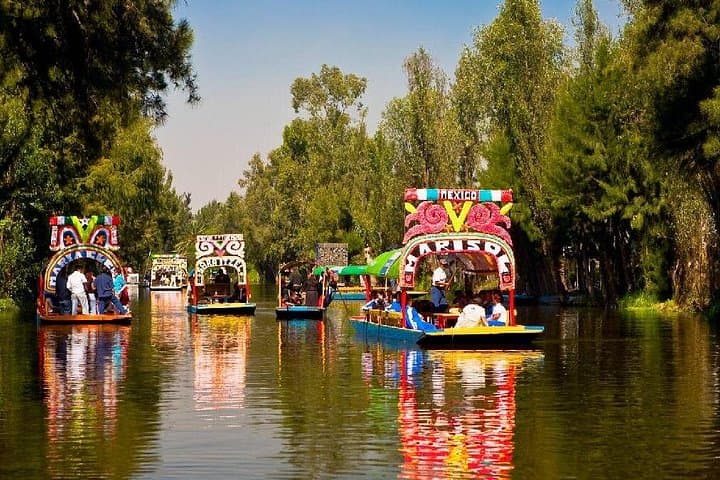
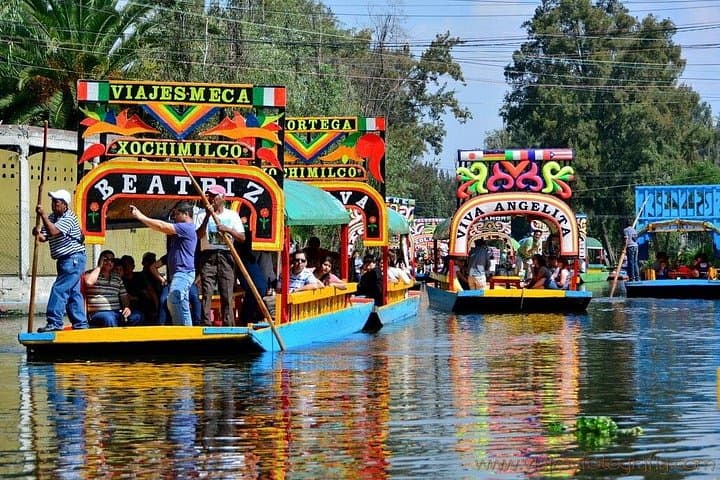
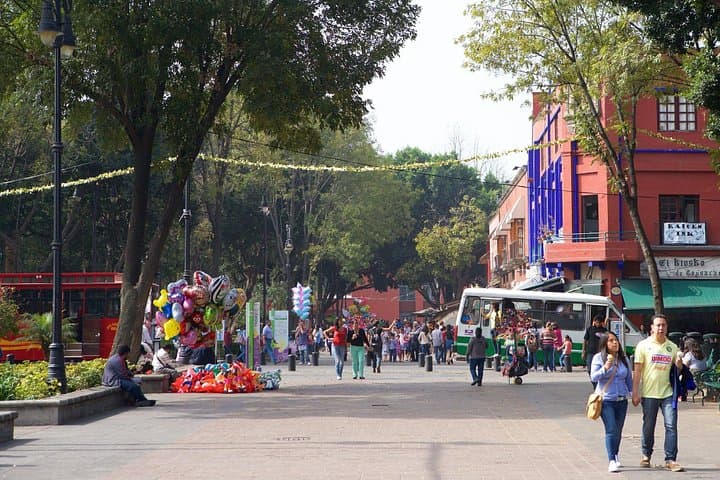
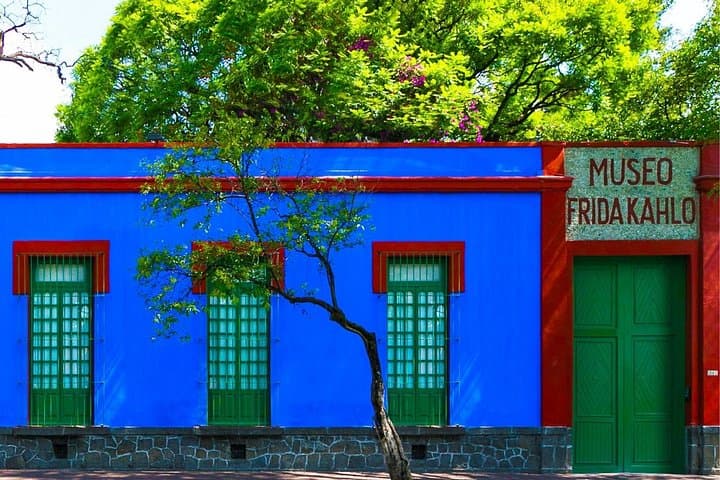
Morning light hits the library mosaics as the van rolls through University City — the city’s southern edge feels different, quieter, older. You step down to see the Central Library’s four-story mosaic and the broad sweep of the Olympic stadium; voices of students and street vendors thread the air. Later, cobbled lanes in Coyoacán open into a plaza of church bells, coffee stalls, and the blue facade of Frida Kahlo’s former home, while canals in Xochimilco push and pull with colorful trajineras, the water daring you to slow down.
Morning light hits the library mosaics as the van rolls through University City — the city’s southern edge feels different, quieter, older. You step down to see the Central Library’s four-story mosaic and the broad sweep of the Olympic stadium; voices of students and street vendors thread the air. Later, cobbled lanes in Coyoacán open into a plaza of church bells, coffee stalls, and the blue facade of Frida Kahlo’s former home, while canals in Xochimilco push and pull with colorful trajineras, the water daring you to slow down.
This route traces layers of Mexico City history: pre-Hispanic Lake Texcoco shaped chinampa agriculture, Spanish-era churches anchor neighborhood grids, and 20th-century murals and university architecture express modern identity. Geologically, the southern basin holds softer lacustrine soils; the canals are the last living veins of the old lake system. Locally, Coyoacán still runs on mercados, street food, and neighborhood artisans; Xochimilco’s trajineras are both tourist draw and cultural practice.
Practical guidance: expect an 8-hour shared tour with hotel pick-up, small groups (up to ~13), a comfortable 40–60 minute trajinera ride, and walking on cobblestones and campus paths. Admission to Frida Kahlo’s Casa Azul is not included. Bring sun protection, cash for market purchases and tips, and a light jacket for breezy canal crossings. Plan to move at a steady, easy pace but be ready for uneven surfaces and narrow boat gangways — the reward is direct contact with the city’s quieter southern rhythms and a canal ride that feels like a living history lesson.