THE ADVENTURE COLLECTIVE® · Independent discovery and booking for outdoor travel

Spend a day as a working cowboy near Cartagena: herd cattle, harvest cassava, summit Cerro El Peligro and learn regenerative ranching with conservation biologists. This six-hour, conservation-focused horseback experience pairs culture with hands-on outdoor work.
Spend a day as a working cowboy near Cartagena: herd cattle, harvest cassava, summit Cerro El Peligro and learn regenerative ranching with conservation biologists. This six-hour, conservation-focused horseback experience pairs culture with hands-on outdoor work.
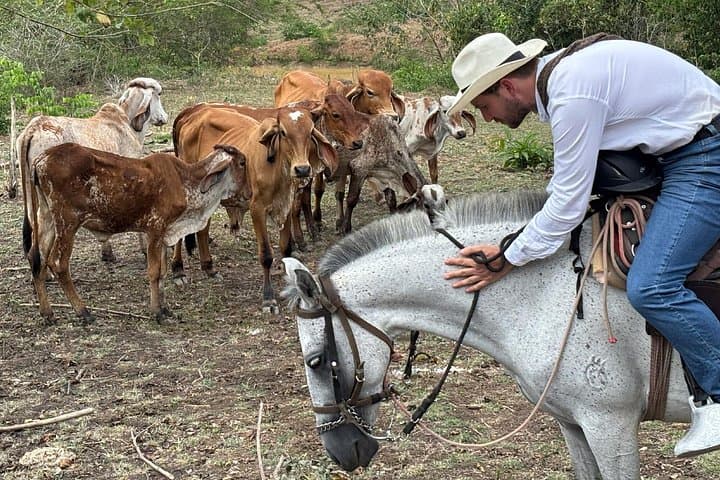
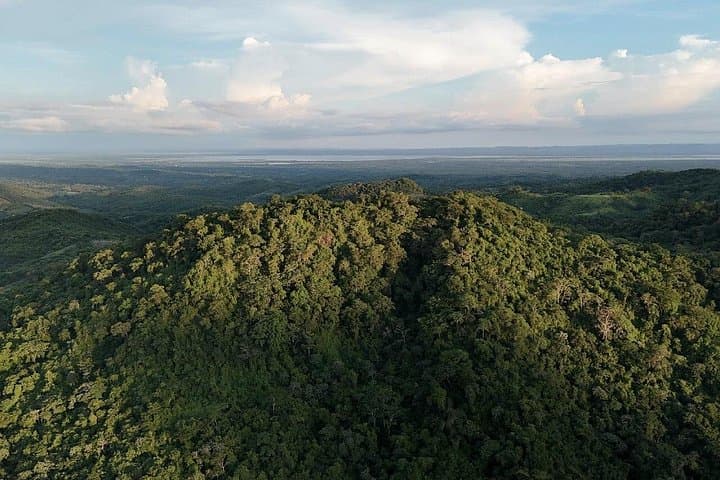
Dawn breaks over a dry-forest lake and the horses shift, impatient and ready. Riders mount beneath spiny guayacán trees, and the reserve breathes—heat rolling off cracked earth, a chorus of parrots scolding from the canopy. The day is equal parts cattle work and field lesson: guests move herds toward the corral, cross cassava and corn plots, then climb a short ridge to Cerro El Peligro. From the summit the coastline glints in the distance, and the tropical dry forest lays out its patchwork of thorny scrub and sun-scorched trails.
Verified experiences and guided adventures in the surrounding area.
Operated by Fundación Loros · Cartagena, Bolívar
Dawn breaks over a dry-forest lake and the horses shift, impatient and ready. Riders mount beneath spiny guayacán trees, and the reserve breathes—heat rolling off cracked earth, a chorus of parrots scolding from the canopy. The day is equal parts cattle work and field lesson: guests move herds toward the corral, cross cassava and corn plots, then climb a short ridge to Cerro El Peligro. From the summit the coastline glints in the distance, and the tropical dry forest lays out its patchwork of thorny scrub and sun-scorched trails.
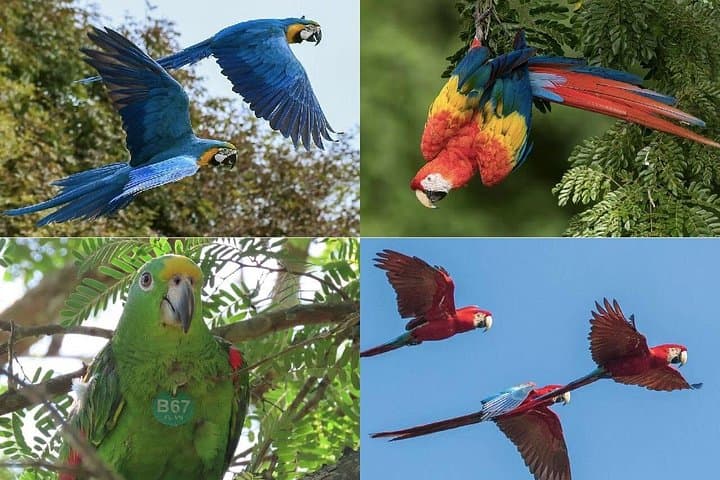
The reserve occupies formerly grazed lands now managed for regenerative ranching and wildlife recovery; local biologists collaborate with Fundación Loros to rewild macaws and protect native vegetation. Geologically the area is low coastal relief—eroded plateaus and small hills formed by ancient marine terraces—so trails are short but often uneven and exposed.
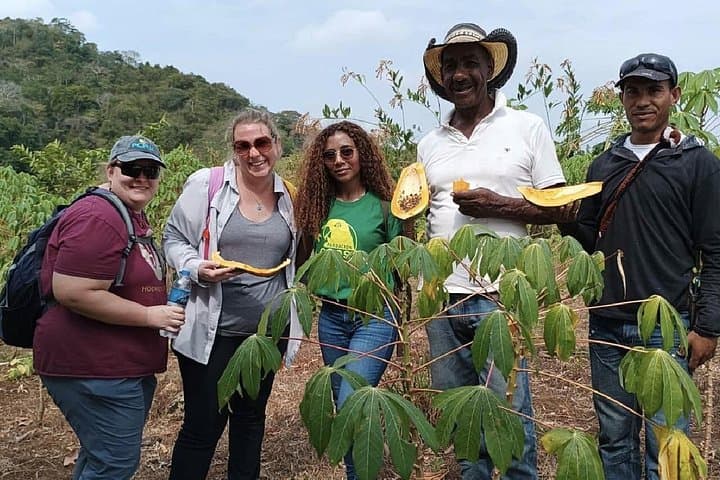
Culturally the experience blends campesino traditions—sancocho by the lake, coffee tasting, simple harvest tasks—with hands-on horsemanship taught by local riders. Expect practical instruction rather than long gallops: the pace is deliberate, safety-first, and rooted in land stewardship.
Practical guidance: arrive hydrated, wear closed-toe boots and long pants, and prepare for sun and dust. Ability to mount and control a horse at a walking-to-trot pace is required; guests with moderate fitness and no spine or heart issues will be most comfortable. The tour lasts about six hours with private transport and meals included—a compact, immersive day that gives a real taste of Colombia’s countryside and conservation in action.
moderate.
6 hours.
Moderate fitness: able to mount/dismount, sit in the saddle for hours, and walk short steep sections to viewpoints.
Moderate fitness is recommended: riders should be able to mount/dismount, control a horse at walk/trot, and manage uneven ground during short hikes to viewpoints.
No advanced experience is required, but basic riding comfort and balance are expected; guides provide instruction and helmets are supplied.
Breakfast with local fruit and coffee and a traditional sancocho lunch by the lake are included, plus tastings of local fruit wines and coffee.
Policies vary by operator; most children must meet minimum age and riding ability requirements—confirm at booking and note that the activity includes active herding.
The reserve repurposes former ranchlands under regenerative grazing practices and partners with Fundación Loros to reintroduce native parrots and restore dry-forest habitat.
Tours directly fund on-site conservation: practices include rotational grazing, native species planting, and community education to reduce hunting and habitat loss.
Fundación Loros operates guided outdoor trips and adventures with an emphasis on safety, stewardship, and memorable experiences.
Dawn breaks over a dry-forest lake and the horses shift, impatient and ready. Riders mount beneath spiny guayacán trees, and the reserve breathes—heat rolling off cracked earth, a chorus of parrots scolding from the canopy. The day is equal parts cattle work and field lesson: guests move herds toward the corral, cross cassava and corn plots, then climb a short ridge to Cerro El Peligro. From the summit the coastline glints in the distance, and the tropical dry forest lays out its patchwork of thorny scrub and sun-scorched trails.
Dawn breaks over a dry-forest lake and the horses shift, impatient and ready. Riders mount beneath spiny guayacán trees, and the reserve breathes—heat rolling off cracked earth, a chorus of parrots scolding from the canopy. The day is equal parts cattle work and field lesson: guests move herds toward the corral, cross cassava and corn plots, then climb a short ridge to Cerro El Peligro. From the summit the coastline glints in the distance, and the tropical dry forest lays out its patchwork of thorny scrub and sun-scorched trails.
The reserve occupies formerly grazed lands now managed for regenerative ranching and wildlife recovery; local biologists collaborate with Fundación Loros to rewild macaws and protect native vegetation. Geologically the area is low coastal relief—eroded plateaus and small hills formed by ancient marine terraces—so trails are short but often uneven and exposed.
Culturally the experience blends campesino traditions—sancocho by the lake, coffee tasting, simple harvest tasks—with hands-on horsemanship taught by local riders. Expect practical instruction rather than long gallops: the pace is deliberate, safety-first, and rooted in land stewardship.
Practical guidance: arrive hydrated, wear closed-toe boots and long pants, and prepare for sun and dust. Ability to mount and control a horse at a walking-to-trot pace is required; guests with moderate fitness and no spine or heart issues will be most comfortable. The tour lasts about six hours with private transport and meals included—a compact, immersive day that gives a real taste of Colombia’s countryside and conservation in action.