THE ADVENTURE COLLECTIVE® · Independent discovery and booking for outdoor travel

A full‑day guided trek from O Quy Ho pass to Cow Hill delivers sweeping Fansipan views, terraced rice valleys, and a cultural stop in Ta Phin Village with a Red Dzao herbal bath. Expect 8 hours of mixed‑terrain hiking and rich community encounters.
A full‑day guided trek from O Quy Ho pass to Cow Hill delivers sweeping Fansipan views, terraced rice valleys, and a cultural stop in Ta Phin Village with a Red Dzao herbal bath. Expect 8 hours of mixed‑terrain hiking and rich community encounters.
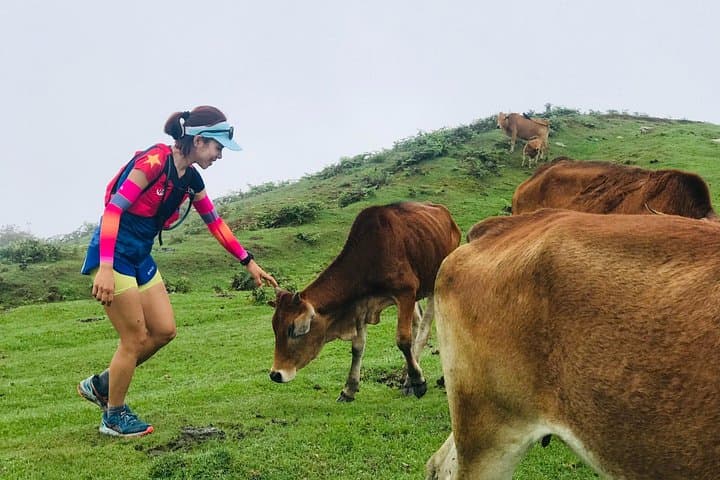
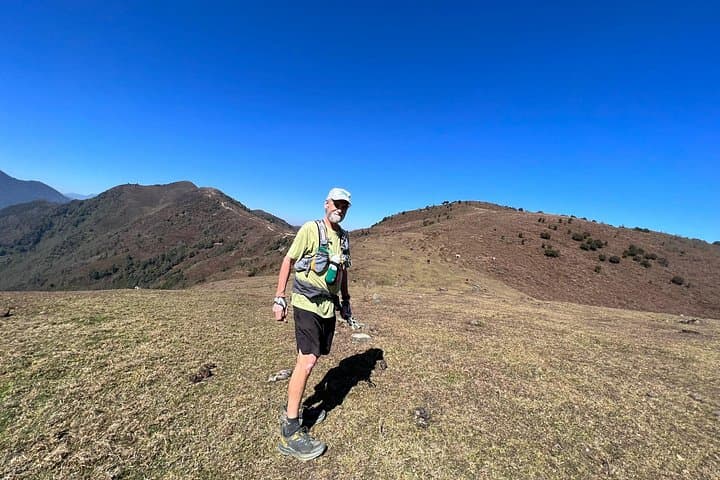
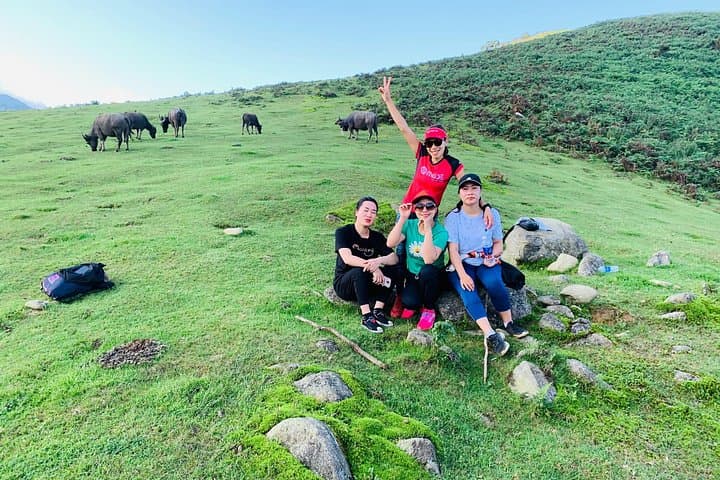
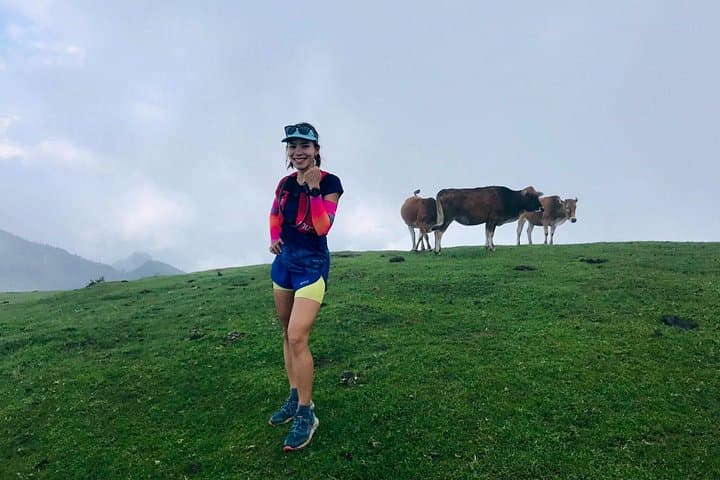
Morning mist peels off the valley as you step from an air‑conditioned minivan at O Quy Ho pass, 9 km from Sa Pa. The trail immediately slopes into chayote and peach gardens, slips under a green pine canopy, then opens onto the spine of Cow Hill where wind and grass move like a slow conversation. From the ridge the Fansipan massif anchors the view; below, terraces fan across the valley and herds of cows dot the slopes.
Verified experiences and guided adventures in the surrounding area.
Operated by Lalaland Travel · Sa Pa, Lao Cai
Morning mist peels off the valley as you step from an air‑conditioned minivan at O Quy Ho pass, 9 km from Sa Pa. The trail immediately slopes into chayote and peach gardens, slips under a green pine canopy, then opens onto the spine of Cow Hill where wind and grass move like a slow conversation. From the ridge the Fansipan massif anchors the view; below, terraces fan across the valley and herds of cows dot the slopes.
This route threads H’Mong and Red Dzao country—ethnic groups with centuries of highland farming and textile craft. Geologically the Hoang Lien Range lifts a mix of metamorphic bedrock and volcanic soils that feed the steep, terraced rice beds. Ta Phin village sits amid those terraces, a place to meet artisans, see silverwork and embroidered panels, and learn about Red Dzao herbal medicine before a restorative herbal bath.
Expect 10–12 km of walking over roughly 300–500 m cumulative ascent, on mixed trail: forest singletrack, grassy ridgelines, and compacted village paths. The day is full but guided—breaks for photography, a village lunch, and a late‑afternoon return to Sa Pa center by vehicle.
Practical edge: start early to avoid midday rain, wear sturdy hiking shoes with decent tread, carry 1.5–2 L water, and bring a lightweight rain shell. Respect local homes—ask before photographing—and budget time for slow sections on terraces. This is a challenging day trek that rewards steady hikers with broad views, living culture, and a genuine taste of northwest Vietnam.
challenging.
8 hours.
Requires good aerobic fitness and balance for uneven trails; suitable for regular hikers used to sustained climbs.
The day covers roughly 10–12 km with 300–500 m of cumulative ascent; it’s classified as challenging and recommended for hikers with good fitness.
Young children are not recommended due to distance and uneven terrain; older teens who are fit can usually manage with breaks.
Yes—lunch, bottled water, hotel pickup and drop‑off in Sa Pa, and an English‑speaking guide are included in the tour price.
Itineraries are fixed for this full‑day tour but you can request additional time when booking; approval depends on schedule and guide availability.
Sa Pa and surrounding valleys have long been home to H’Mong and Red Dzao communities; French colonial explorers popularized Sa Pa in the early 20th century as a hill station.
Stick to established trails and avoid disturbing terraces and crops; support local guides and artisans to help ensure tourism benefits villages directly.
Lalaland Travel operates guided outdoor trips and adventures with an emphasis on safety, stewardship, and memorable experiences.
Morning mist peels off the valley as you step from an air‑conditioned minivan at O Quy Ho pass, 9 km from Sa Pa. The trail immediately slopes into chayote and peach gardens, slips under a green pine canopy, then opens onto the spine of Cow Hill where wind and grass move like a slow conversation. From the ridge the Fansipan massif anchors the view; below, terraces fan across the valley and herds of cows dot the slopes.
Morning mist peels off the valley as you step from an air‑conditioned minivan at O Quy Ho pass, 9 km from Sa Pa. The trail immediately slopes into chayote and peach gardens, slips under a green pine canopy, then opens onto the spine of Cow Hill where wind and grass move like a slow conversation. From the ridge the Fansipan massif anchors the view; below, terraces fan across the valley and herds of cows dot the slopes.
This route threads H’Mong and Red Dzao country—ethnic groups with centuries of highland farming and textile craft. Geologically the Hoang Lien Range lifts a mix of metamorphic bedrock and volcanic soils that feed the steep, terraced rice beds. Ta Phin village sits amid those terraces, a place to meet artisans, see silverwork and embroidered panels, and learn about Red Dzao herbal medicine before a restorative herbal bath.
Expect 10–12 km of walking over roughly 300–500 m cumulative ascent, on mixed trail: forest singletrack, grassy ridgelines, and compacted village paths. The day is full but guided—breaks for photography, a village lunch, and a late‑afternoon return to Sa Pa center by vehicle.
Practical edge: start early to avoid midday rain, wear sturdy hiking shoes with decent tread, carry 1.5–2 L water, and bring a lightweight rain shell. Respect local homes—ask before photographing—and budget time for slow sections on terraces. This is a challenging day trek that rewards steady hikers with broad views, living culture, and a genuine taste of northwest Vietnam.