THE ADVENTURE COLLECTIVE® · Independent discovery and booking for outdoor travel

A full-day from Santander into the heart of the Picos de Europa: visit the glacial Lakes of Enol and Ercina, the Sanctuary of Covadonga and the medieval charm of Cangas de Onís. Practical route notes, cultural context and what to pack for a mountain day out.
A full-day from Santander into the heart of the Picos de Europa: visit the glacial Lakes of Enol and Ercina, the Sanctuary of Covadonga and the medieval charm of Cangas de Onís. Practical route notes, cultural context and what to pack for a mountain day out.
You step off the coach into thin mountain air and the Picos de Europa greets you with a blunt, limestone edge; the road has already climbed from the sea and the lakes lie like two quiet mirrors in a high bowl. The guide gestures toward Enol and Ercina and the story of ice and stone that shaped them unspools as you walk the short, rocky shore: glaciers gouged hollows; runoff collected and now the lakes reflect the peaks above.
Verified experiences and guided adventures in the surrounding area.
Operated by Buendía · Cangas de Onís, Asturias
You step off the coach into thin mountain air and the Picos de Europa greets you with a blunt, limestone edge; the road has already climbed from the sea and the lakes lie like two quiet mirrors in a high bowl. The guide gestures toward Enol and Ercina and the story of ice and stone that shaped them unspools as you walk the short, rocky shore: glaciers gouged hollows; runoff collected and now the lakes reflect the peaks above.
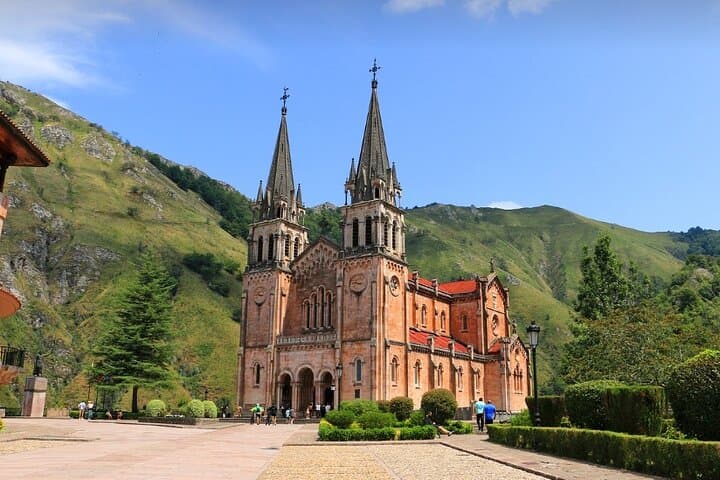
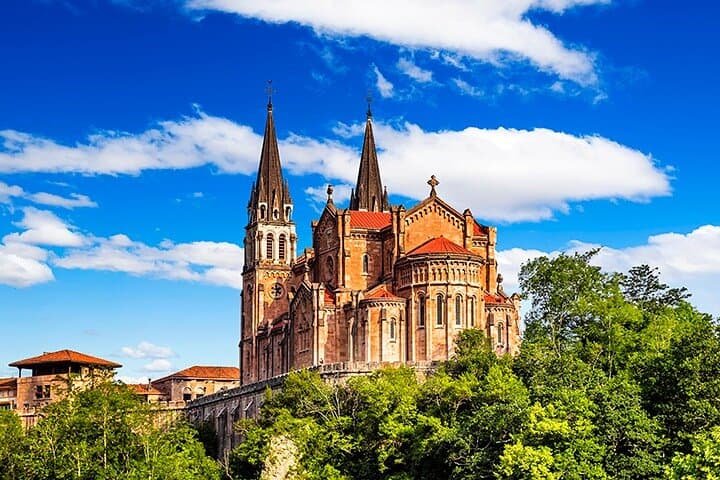
History is close here — the Sanctuary of Covadonga houses La Santina, the Virgin associated with the early Asturian kingdom. Guides tell of Pelayo and the 8th-century resistance that lent the valley a political as well as spiritual weight. Geology fans will note the karst and steep ridgelines of the Picos, where limestone beds split into caves and cliffs and the valley channels weather like careful hands.
Cangas de Onís closes the loop with a stroll across its medieval bridge, where the hanging cross marks centuries of local identity. Food smells — cider poured with a practiced arc, a bowl of fabada — cut through the mountain air and invite a longer stay.
Practically: expect paved viewpoints, short walks with some uneven sections, and a full-day itinerary (about 10 hours from Santander). Layers and a waterproof shell are essential; weather shifts quickly at these elevations (around 1,000–1,200 m). Bring cash for small eateries, comfortable hiking shoes for gravel and steps, and plan your visit in the morning or late afternoon to avoid tourist crowds and capture the best light on the lakes.
moderate.
10 hours.
Moderate aerobic fitness—able to handle multiple short walks, some standing and a few flights of steps over a full day
The full-day tour runs about 10 hours round-trip, including coach transfers, guided stops at the lakes, sanctuary and time in Cangas de Onís.
There are paved viewpoints and short, relatively flat areas near the main lake overlooks, but some paths include steps and uneven surfaces—access is partial rather than fully wheelchair-friendly.
Yes—most itineraries include a guided walk plus free time in Cangas de Onís to sample cider and local dishes or shop for souvenirs.
The Sanctuary is open to visitors; the day-trip includes guided access and time at the lakes—no special entrance ticket beyond the tour is typically required, though optional donations or fees for small sites may apply.
Covadonga is closely tied to the early Kingdom of Asturias; local tradition links the sanctuary to Pelayo’s 8th-century resistance against advancing forces, giving the site national historical weight.
Picos de Europa is a protected national park; stay on marked paths, avoid picking alpine flora and follow local guidelines to limit erosion and disturbance to wildlife.
Buendía operates guided outdoor trips and adventures with an emphasis on safety, stewardship, and memorable experiences.
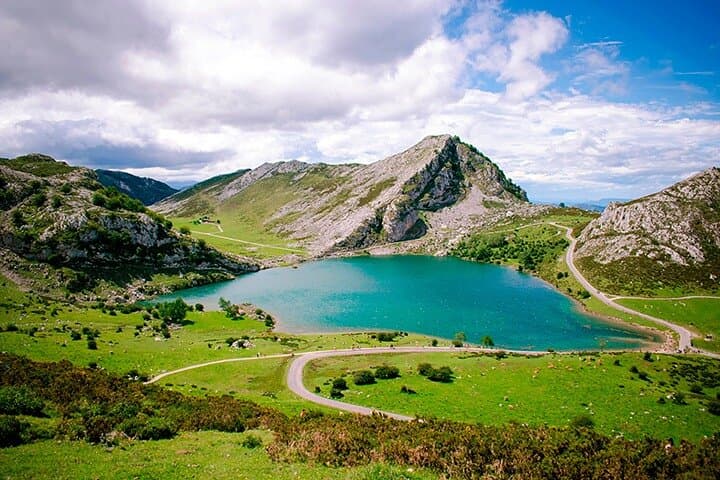
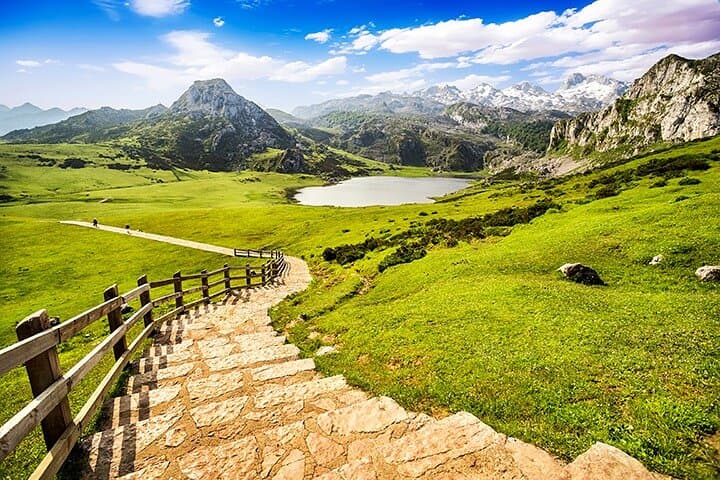
You step off the coach into thin mountain air and the Picos de Europa greets you with a blunt, limestone edge; the road has already climbed from the sea and the lakes lie like two quiet mirrors in a high bowl. The guide gestures toward Enol and Ercina and the story of ice and stone that shaped them unspools as you walk the short, rocky shore: glaciers gouged hollows; runoff collected and now the lakes reflect the peaks above.
You step off the coach into thin mountain air and the Picos de Europa greets you with a blunt, limestone edge; the road has already climbed from the sea and the lakes lie like two quiet mirrors in a high bowl. The guide gestures toward Enol and Ercina and the story of ice and stone that shaped them unspools as you walk the short, rocky shore: glaciers gouged hollows; runoff collected and now the lakes reflect the peaks above.
History is close here — the Sanctuary of Covadonga houses La Santina, the Virgin associated with the early Asturian kingdom. Guides tell of Pelayo and the 8th-century resistance that lent the valley a political as well as spiritual weight. Geology fans will note the karst and steep ridgelines of the Picos, where limestone beds split into caves and cliffs and the valley channels weather like careful hands.
Cangas de Onís closes the loop with a stroll across its medieval bridge, where the hanging cross marks centuries of local identity. Food smells — cider poured with a practiced arc, a bowl of fabada — cut through the mountain air and invite a longer stay.
Practically: expect paved viewpoints, short walks with some uneven sections, and a full-day itinerary (about 10 hours from Santander). Layers and a waterproof shell are essential; weather shifts quickly at these elevations (around 1,000–1,200 m). Bring cash for small eateries, comfortable hiking shoes for gravel and steps, and plan your visit in the morning or late afternoon to avoid tourist crowds and capture the best light on the lakes.