THE ADVENTURE COLLECTIVE® · Independent discovery and booking for outdoor travel

Walk river paths, ascend gentle ridges and breathe the managed-forest calm of Ogawamachi, a Saitama town known for organic farming. This 3–4 hour outing blends countryside culture, seasonal produce and easy mountain trails.
Walk river paths, ascend gentle ridges and breathe the managed-forest calm of Ogawamachi, a Saitama town known for organic farming. This 3–4 hour outing blends countryside culture, seasonal produce and easy mountain trails.
A morning mist lifts off the river as you step onto a narrow path that threads between rice paddies and family-run vegetable plots. The town feels deliberate — tractors pause, a dog barks across a field — then you climb into low, forested ridges where the air shifts cool and the managed woodland quiets your pace. This half-day experience pairs an easy riverside walk with a short mountain hike and time for shinrin-yoku, or forest bathing.
Verified experiences and guided adventures in the surrounding area.
Operated by Nature Daytrip from Tokyo · Ogawamachi (Ogawa), Saitama
A morning mist lifts off the river as you step onto a narrow path that threads between rice paddies and family-run vegetable plots. The town feels deliberate — tractors pause, a dog barks across a field — then you climb into low, forested ridges where the air shifts cool and the managed woodland quiets your pace. This half-day experience pairs an easy riverside walk with a short mountain hike and time for shinrin-yoku, or forest bathing.
Ogawamachi is one of Saitama’s active organic farming centers; its fields and satoyama (human-shaped countryside) reflect decades of small-scale agriculture and community forest management. Geologically the hills are gentle outliers of the Kanto foothills—rolled shale and sandstone carved into walking ridges rather than steep peaks—so trails are rooted, sometimes rocky, but rarely technical.
Culturally, expect local hospitality: growers who rotate crops and kitchens that value seasonal produce. The optional lunch of organic vegetables showcases this local food culture and supports on-farm producers.
Practically, the route is designed for most walkers. Plan for 3–4 hours total on the ground, roughly 4–6 km of walking with intermittent elevation up to a few hundred meters. Trails alternate flat riverbank, farm tracks, and packed-forest singletrack; sections can be muddy after rain. Bring sturdy footwear, a lightweight rain layer, and water. Mornings hold the best light and fewer people; if you opt for lunch, let your guide know dietary needs in advance.
easy.
3–4 hours.
Suitable for most fitness levels; you should be comfortable walking 4–6 km on uneven ground and climbing short, non-technical rises.
Ogawamachi is accessible by train from central Tokyo via JR and local lines; many travelers change in Kumagaya or Hanno—your booking will include meeting details.
Lunch of organic vegetables is optional; if you want it, indicate dietary needs at booking so hosts can prepare accordingly.
Guiding language varies—check the tour listing or ask the operator; basic English is often available, and guides are familiar with accommodating international guests.
Yes—trail segments are non-technical and family-friendly, but participants should be able to walk for a few hours and manage some short ascents.
Ogawamachi’s landscape reflects traditional satoyama management and a modern commitment to organic agriculture that grew in the late 20th century.
Tours support local farmers and low-impact access; follow leave-no-trace practices and avoid picking crops to protect this working landscape.
Nature Daytrip from Tokyo operates guided outdoor trips and adventures with an emphasis on safety, stewardship, and memorable experiences.
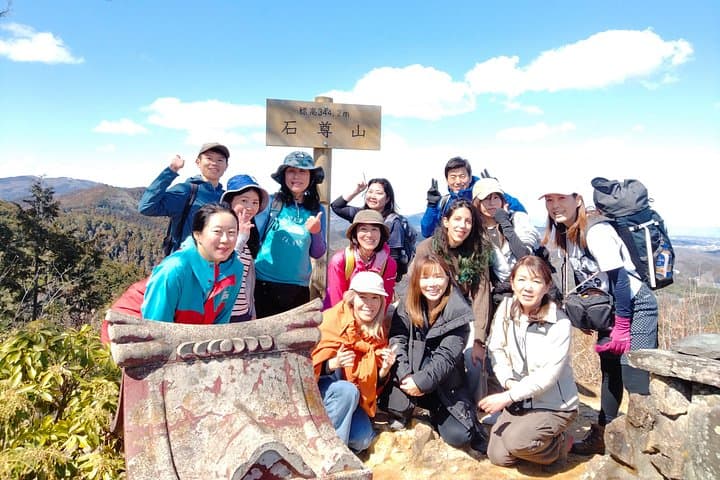
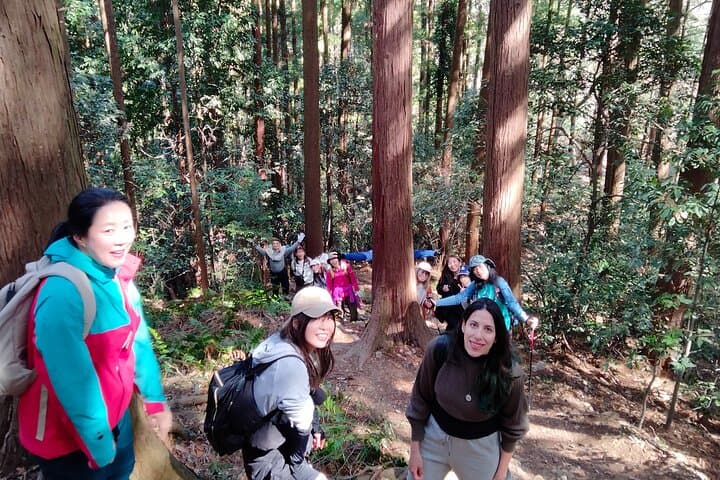
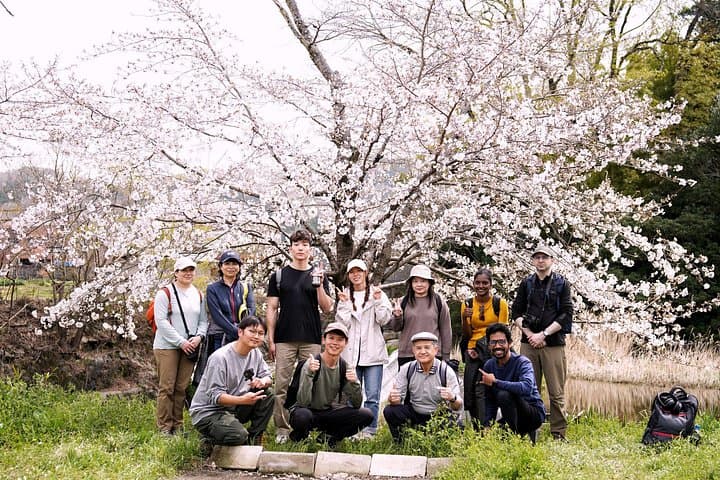
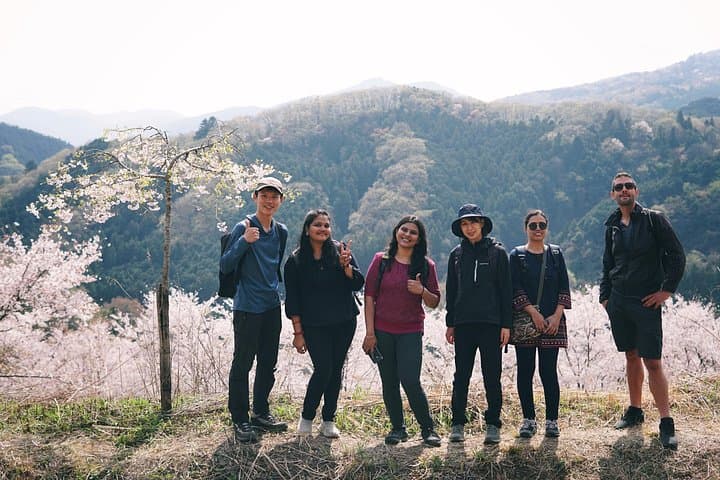
A morning mist lifts off the river as you step onto a narrow path that threads between rice paddies and family-run vegetable plots. The town feels deliberate — tractors pause, a dog barks across a field — then you climb into low, forested ridges where the air shifts cool and the managed woodland quiets your pace. This half-day experience pairs an easy riverside walk with a short mountain hike and time for shinrin-yoku, or forest bathing.
A morning mist lifts off the river as you step onto a narrow path that threads between rice paddies and family-run vegetable plots. The town feels deliberate — tractors pause, a dog barks across a field — then you climb into low, forested ridges where the air shifts cool and the managed woodland quiets your pace. This half-day experience pairs an easy riverside walk with a short mountain hike and time for shinrin-yoku, or forest bathing.
Ogawamachi is one of Saitama’s active organic farming centers; its fields and satoyama (human-shaped countryside) reflect decades of small-scale agriculture and community forest management. Geologically the hills are gentle outliers of the Kanto foothills—rolled shale and sandstone carved into walking ridges rather than steep peaks—so trails are rooted, sometimes rocky, but rarely technical.
Culturally, expect local hospitality: growers who rotate crops and kitchens that value seasonal produce. The optional lunch of organic vegetables showcases this local food culture and supports on-farm producers.
Practically, the route is designed for most walkers. Plan for 3–4 hours total on the ground, roughly 4–6 km of walking with intermittent elevation up to a few hundred meters. Trails alternate flat riverbank, farm tracks, and packed-forest singletrack; sections can be muddy after rain. Bring sturdy footwear, a lightweight rain layer, and water. Mornings hold the best light and fewer people; if you opt for lunch, let your guide know dietary needs in advance.