THE ADVENTURE COLLECTIVE® · Independent discovery and booking for outdoor travel

Spend a half-day outside Kuala Lumpur exploring 400-million-year-old limestone caverns at Batu Caves, watch pewter casting at Royal Selangor, and see traditional Malaysian batik being made. This accessible tour combines geology, living Hindu ritual, and hands-on craft demonstrations.
Spend a half-day outside Kuala Lumpur exploring 400-million-year-old limestone caverns at Batu Caves, watch pewter casting at Royal Selangor, and see traditional Malaysian batik being made. This accessible tour combines geology, living Hindu ritual, and hands-on craft demonstrations.
Morning light spills across the low hills as the minivan leaves Kuala Lumpur and crosses into Gombak’s patchwork of rubber plots and small villages. The road relaxes; fields and wooden shops slide past while the driver points out a mosque minaret or a cluster of traditional houses. At the base of the limestone outcrop that is Batu Caves, the air feels cooler — the cliff faces older than human memory and ringing now with temple bells and the chatter of long-tailed macaques.
Verified experiences and guided adventures in the surrounding area.
Operated by Asia Advisor by Asni · Kuala Lumpur, Selangor
Morning light spills across the low hills as the minivan leaves Kuala Lumpur and crosses into Gombak’s patchwork of rubber plots and small villages. The road relaxes; fields and wooden shops slide past while the driver points out a mosque minaret or a cluster of traditional houses. At the base of the limestone outcrop that is Batu Caves, the air feels cooler — the cliff faces older than human memory and ringing now with temple bells and the chatter of long-tailed macaques.
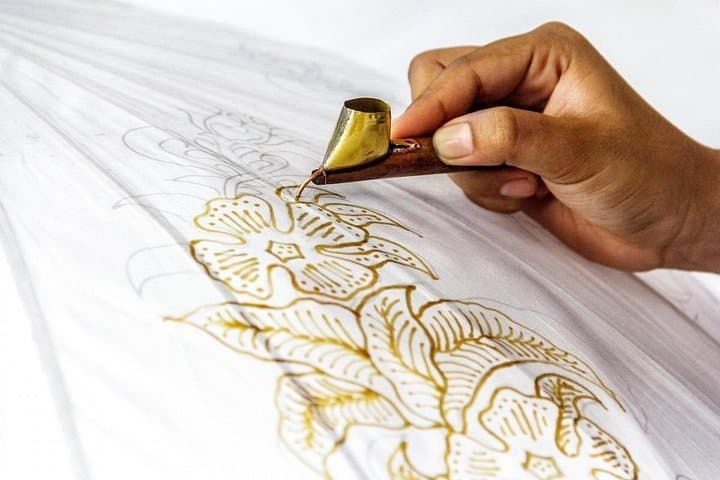
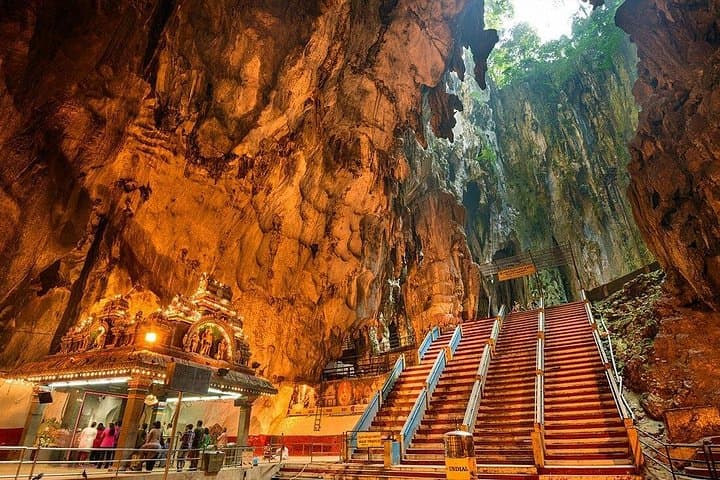
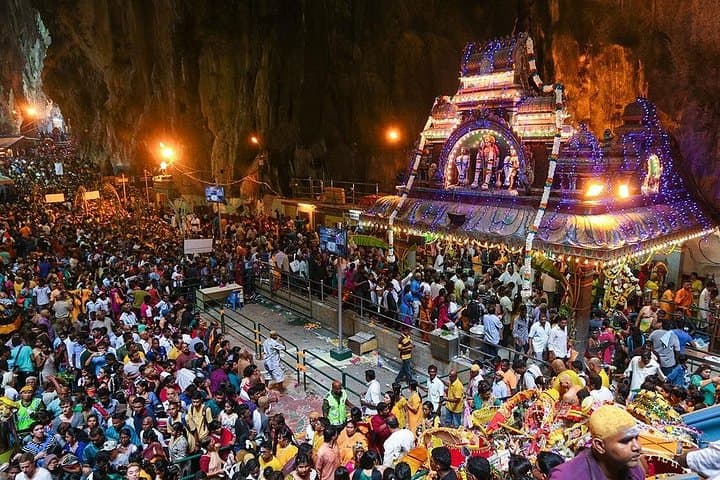
Batu Caves is carved from limestone estimated at some 400 million years old; its main cave houses a Hindu shrine dedicated to Lord Murugan and becomes the center of Malaysia’s spectacular Thaipusam celebrations each year. The tour pairs this cultural visit with contemporary craft: a guided stop at Royal Selangor’s visitor center to watch pewter casting and a visit to a batik gallery where locally made motifs are painted and stamped. Along the route, travelers get a passing view of Setapak and the Gombak district, towns shaped by rubber and tin economies of the 19th and 20th centuries.
Practicalities matter: expect a roughly 3.5-hour outing with short walks, steps at Batu Caves, and multiple stops for demonstrations and shopping. Wear comfortable shoes for stairs and uneven cave floors, keep valuables secure from curious monkeys, and bring sun protection for outdoor sections. Morning departures avoid peak heat and crowds; afternoon runs catch softer light and cooler evenings. This tour is an accessible way to combine geology, living religion and traditional craft in one half-day excursion from Kuala Lumpur.
easy.
3–4 hours.
Suitable for most fitness levels; requires climbing stairs and short walks on uneven surfaces.
The full experience runs about 3.5 hours (210 minutes), including stops at Batu Caves, a pewter visitor center and a batik gallery.
This tour lists admission as not applicable; any temple donations or optional museum fees are typically paid on site.
The tour notes stroller accessibility for short sections, but Batu Caves involves stairs that are not stroller-friendly; infants must sit on an adult’s lap in vehicles.
Yes; the operator offers both morning and afternoon departures—choose morning to avoid heat and larger crowds at the shrine.
Gombak and Setapak grew around 19th-century tin and rubber economies; Batu Caves has been a Hindu focal point in Malaysia for over a century and hosts Thaipusam annually.
Visitors should avoid littering and feeding wildlife; local craft centers promote sustainable sourcing and support skilled artisans, so buy thoughtfully to benefit communities.
Asia Advisor by Asni operates guided outdoor trips and adventures with an emphasis on safety, stewardship, and memorable experiences.

Morning light spills across the low hills as the minivan leaves Kuala Lumpur and crosses into Gombak’s patchwork of rubber plots and small villages. The road relaxes; fields and wooden shops slide past while the driver points out a mosque minaret or a cluster of traditional houses. At the base of the limestone outcrop that is Batu Caves, the air feels cooler — the cliff faces older than human memory and ringing now with temple bells and the chatter of long-tailed macaques.
Morning light spills across the low hills as the minivan leaves Kuala Lumpur and crosses into Gombak’s patchwork of rubber plots and small villages. The road relaxes; fields and wooden shops slide past while the driver points out a mosque minaret or a cluster of traditional houses. At the base of the limestone outcrop that is Batu Caves, the air feels cooler — the cliff faces older than human memory and ringing now with temple bells and the chatter of long-tailed macaques.
Batu Caves is carved from limestone estimated at some 400 million years old; its main cave houses a Hindu shrine dedicated to Lord Murugan and becomes the center of Malaysia’s spectacular Thaipusam celebrations each year. The tour pairs this cultural visit with contemporary craft: a guided stop at Royal Selangor’s visitor center to watch pewter casting and a visit to a batik gallery where locally made motifs are painted and stamped. Along the route, travelers get a passing view of Setapak and the Gombak district, towns shaped by rubber and tin economies of the 19th and 20th centuries.
Practicalities matter: expect a roughly 3.5-hour outing with short walks, steps at Batu Caves, and multiple stops for demonstrations and shopping. Wear comfortable shoes for stairs and uneven cave floors, keep valuables secure from curious monkeys, and bring sun protection for outdoor sections. Morning departures avoid peak heat and crowds; afternoon runs catch softer light and cooler evenings. This tour is an accessible way to combine geology, living religion and traditional craft in one half-day excursion from Kuala Lumpur.