THE ADVENTURE COLLECTIVE® · Independent discovery and booking for outdoor travel

Leave London for a full-day small-group tour that pairs Castle Combe’s honey-stone lanes with the mystery of Stonehenge and Bath’s Georgian grandeur. Expect coach transfers, short uneven walks, and a guided panorama through three distinct English landscapes.
Leave London for a full-day small-group tour that pairs Castle Combe’s honey-stone lanes with the mystery of Stonehenge and Bath’s Georgian grandeur. Expect coach transfers, short uneven walks, and a guided panorama through three distinct English landscapes.
A low morning light lifts over London as a premium minicoach eases onto the motorway, ferrying a small group toward chalky horizons and Georgian facades. By mid-morning the bus threads lanes of the southern Cotswolds: honey-stone houses, hedgerows, and a quiet village street where time seems to walk slower. The air here is green and slightly sharp, the hills themselves nudging you forward with gentle elevation.
Verified experiences and guided adventures in the surrounding area.
Operated by The English Bus · London, England
A low morning light lifts over London as a premium minicoach eases onto the motorway, ferrying a small group toward chalky horizons and Georgian facades. By mid-morning the bus threads lanes of the southern Cotswolds: honey-stone houses, hedgerows, and a quiet village street where time seems to walk slower. The air here is green and slightly sharp, the hills themselves nudging you forward with gentle elevation.
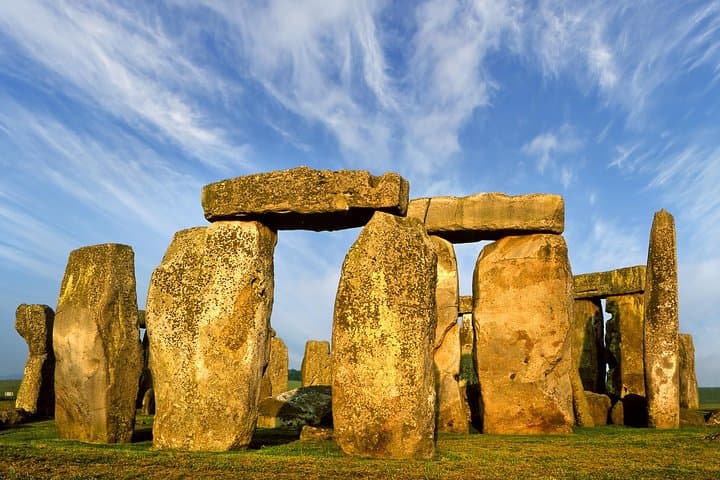
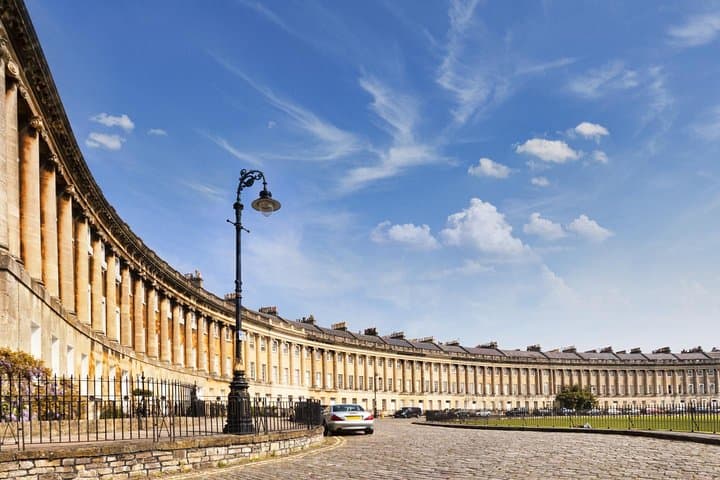
Stonehenge arrives as a silhouette on the plain — a 5,000-year archive in bluestone and sarsen that invites more questions than answers. The geology switches from rolling clay to exposed chalk downland; the stones are positioned on terrain shaped by glacial and post-glacial processes and centuries of human ritual. In Bath the story changes again: Roman engineers harnessed thermal springs to build a spa city whose Georgian architecture—Pulteney Bridge, Royal Crescent, Bath Abbey—speaks to 18th-century civic ambition.
Culturally, this route stitches rural village life, prehistoric monument, and a UNESCO city into a single day that’s part history tour, part landscape drive.
Practical guidance: expect 11–12 hours including coach transfers, short walks on uneven surfaces at Stonehenge and around Castle Combe, and a guided panoramic drive with an optional on-foot tour in Bath. Wear supportive shoes, bring layered waterproofs, and allow extra time for photography. Travel light—luggage space on a minicoach is limited—and carry ID if you intend to enter paid areas. The day balances slow village lanes, open plains, and compact city streets: pack patience and a charged camera.
easy.
11–12 hours.
Suitable for travelers in normal, everyday fitness; walking is short to moderate but includes uneven ground and some steps.
No; Stonehenge admission is not included in the base price—your guide will provide logistics and you can purchase tickets in advance or on arrival subject to availability.
Walking is optional in Bath (an included panoramic drive and optional walking tour last around 2–2.5 hours on the ground overall) and Castle Combe involves a short 20–30 minute stroll on village streets—expect some uneven surfaces.
The tour departs from central London; exact meeting point details are provided upon booking—return is typically late afternoon to early evening to the original pickup area.
The tour is family-friendly (minimum age 3) and accommodates collapsible wheelchairs with assistance when boarding, but note that some sites have uneven terrain and limited accessibility on foot.
Stonehenge is a prehistoric ceremonial landscape dating back around 5,000 years; Bath grew around naturally occurring Roman hot springs and flourished as an 18th-century spa city.
High visitor numbers can strain fragile landscapes—stick to marked paths at Stonehenge and Bathe courteously in historic areas; using a small-group coach reduces local road congestion and carbon per traveler.
The English Bus operates guided outdoor trips and adventures with an emphasis on safety, stewardship, and memorable experiences.
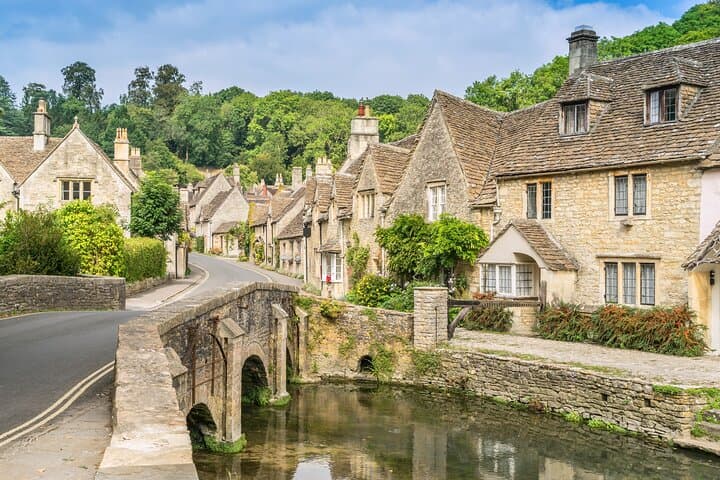
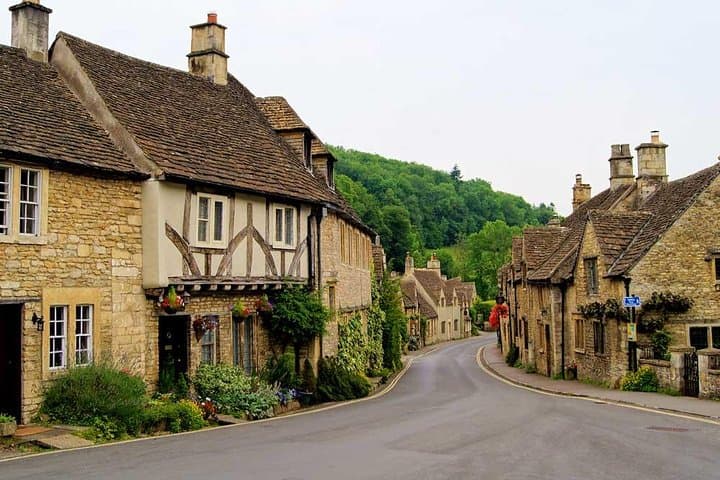
A low morning light lifts over London as a premium minicoach eases onto the motorway, ferrying a small group toward chalky horizons and Georgian facades. By mid-morning the bus threads lanes of the southern Cotswolds: honey-stone houses, hedgerows, and a quiet village street where time seems to walk slower. The air here is green and slightly sharp, the hills themselves nudging you forward with gentle elevation.
A low morning light lifts over London as a premium minicoach eases onto the motorway, ferrying a small group toward chalky horizons and Georgian facades. By mid-morning the bus threads lanes of the southern Cotswolds: honey-stone houses, hedgerows, and a quiet village street where time seems to walk slower. The air here is green and slightly sharp, the hills themselves nudging you forward with gentle elevation.
Stonehenge arrives as a silhouette on the plain — a 5,000-year archive in bluestone and sarsen that invites more questions than answers. The geology switches from rolling clay to exposed chalk downland; the stones are positioned on terrain shaped by glacial and post-glacial processes and centuries of human ritual. In Bath the story changes again: Roman engineers harnessed thermal springs to build a spa city whose Georgian architecture—Pulteney Bridge, Royal Crescent, Bath Abbey—speaks to 18th-century civic ambition.
Culturally, this route stitches rural village life, prehistoric monument, and a UNESCO city into a single day that’s part history tour, part landscape drive.
Practical guidance: expect 11–12 hours including coach transfers, short walks on uneven surfaces at Stonehenge and around Castle Combe, and a guided panoramic drive with an optional on-foot tour in Bath. Wear supportive shoes, bring layered waterproofs, and allow extra time for photography. Travel light—luggage space on a minicoach is limited—and carry ID if you intend to enter paid areas. The day balances slow village lanes, open plains, and compact city streets: pack patience and a charged camera.