THE ADVENTURE COLLECTIVE® · Independent discovery and booking for outdoor travel

Walk seven days through the Cotswolds’ limestone wolds and honey-stone villages, from Moreton-in-Marsh to Bibury. This shared walking tour mixes daily hikes, village stays, private transfers and classic tearoom culture—perfect for hikers who want scenic mileage with comfortable B&B nights.
Walk seven days through the Cotswolds’ limestone wolds and honey-stone villages, from Moreton-in-Marsh to Bibury. This shared walking tour mixes daily hikes, village stays, private transfers and classic tearoom culture—perfect for hikers who want scenic mileage with comfortable B&B nights.
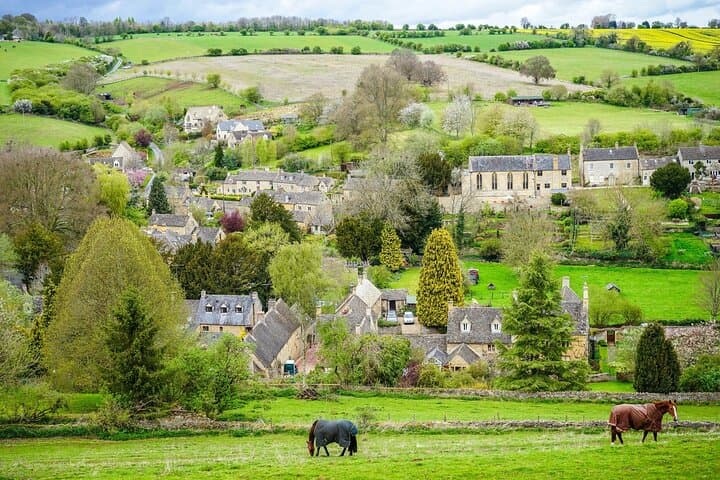
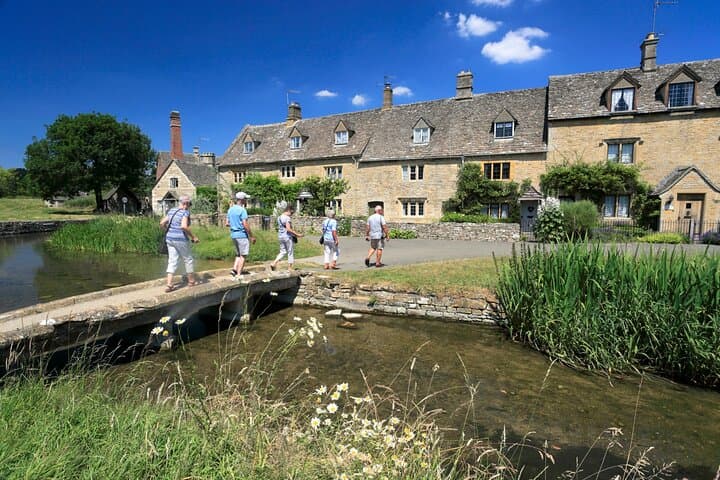
A damp morning light slides across honey-colored stone as walkers arrange maps and boots at Moreton-in-Marsh station. The air carries cut hay and chimney smoke; underfoot, ancient drovers' tracks and hedged lanes lead uphill where the wolds open into broad pasture. Over seven days the route threads through Chipping Campden, Stow-on-the-Wold, Bourton-on-the-Water and Bibury, offering an immersive sequence of field edges, limestone ridges and calm river paths.
Verified experiences and guided adventures in the surrounding area.
Operated by Walking the Cotswolds · Moreton-in-Marsh, Gloucestershire
A damp morning light slides across honey-colored stone as walkers arrange maps and boots at Moreton-in-Marsh station. The air carries cut hay and chimney smoke; underfoot, ancient drovers' tracks and hedged lanes lead uphill where the wolds open into broad pasture. Over seven days the route threads through Chipping Campden, Stow-on-the-Wold, Bourton-on-the-Water and Bibury, offering an immersive sequence of field edges, limestone ridges and calm river paths.
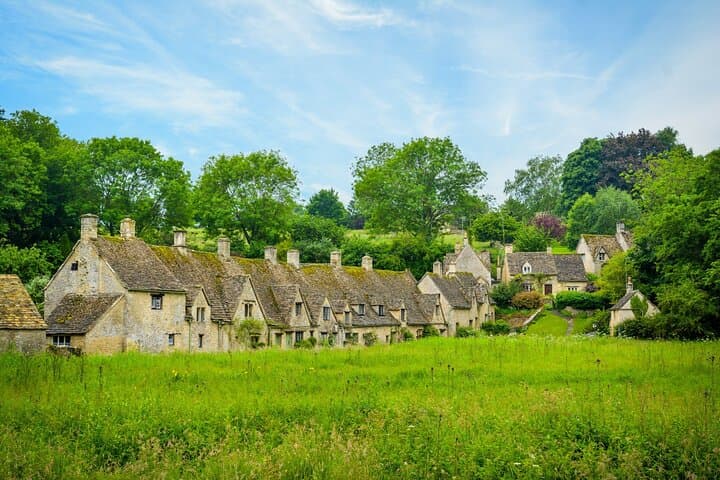
Geology here is limestone laid down in shallow seas tens of millions of years ago; that oolitic stone makes the distinctive walls and cottages. Cultural markers include medieval market squares, 14th–18th century manor houses and Arlington Row’s 14th-century cottages at Bibury—sites that trace the Cotswolds’ wool-trade prosperity. Local life still orbits tearooms, village pubs and seasonal farm markets.
Expect daily walking between 8–12 miles on mixed terrain: stony farm tracks, grassy lanes, and occasional steep farm gates. Elevation gains are moderate—many short climbs across the wolds rather than long alpine ascents. Weather shifts quickly; rain can turn grass paths slick and winter daylight is short. Guides and private transfers move the group when needed, and B&B nights mean no camping logistics.
Practical takeaways: bring solid ankle-support boots, a waterproof layer, and a small daypack with snacks and water. Plan for early dinners in villages, and allow spare time to explore tearooms and historic churches. This trip balances steady walking with cultural downtime—ideal for fit hikers who want scenic mileage and English village character.
moderate.
7 days.
Participants should have a moderate level of fitness, comfortable walking 8–12 miles (13–19 km) on consecutive days with short climbs.
Daily walks range from about 7.75 miles up to a 10-mile circular route; average hiking time is 3–6 hours depending on the day and group pace.
Yes—accommodations are at local B&Bs and private transfers are arranged between some villages; check the operator for exact luggage logistics.
Overnights are in local bed & breakfasts and guesthouses with breakfast included; rooms are typically comfortable and characterful rather than luxury hotels.
Yes—this is a shared tour with small group sizes (up to 8), and solo travelers are common; book early to secure a spot.
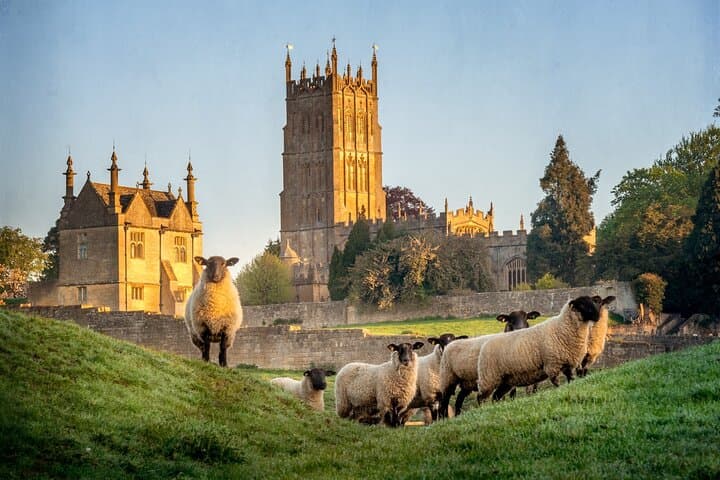
The Cotswolds rose to prominence in the medieval wool trade; many villages retain wool merchants' houses and market squares dating from the 14th–18th centuries.
Much of the area is protected as an Area of Outstanding Natural Beauty; stick to paths and follow local guidance to reduce erosion and disturbance to farmland and wildlife.
Walking the Cotswolds operates guided outdoor trips and adventures with an emphasis on safety, stewardship, and memorable experiences.
A damp morning light slides across honey-colored stone as walkers arrange maps and boots at Moreton-in-Marsh station. The air carries cut hay and chimney smoke; underfoot, ancient drovers' tracks and hedged lanes lead uphill where the wolds open into broad pasture. Over seven days the route threads through Chipping Campden, Stow-on-the-Wold, Bourton-on-the-Water and Bibury, offering an immersive sequence of field edges, limestone ridges and calm river paths.
A damp morning light slides across honey-colored stone as walkers arrange maps and boots at Moreton-in-Marsh station. The air carries cut hay and chimney smoke; underfoot, ancient drovers' tracks and hedged lanes lead uphill where the wolds open into broad pasture. Over seven days the route threads through Chipping Campden, Stow-on-the-Wold, Bourton-on-the-Water and Bibury, offering an immersive sequence of field edges, limestone ridges and calm river paths.
Geology here is limestone laid down in shallow seas tens of millions of years ago; that oolitic stone makes the distinctive walls and cottages. Cultural markers include medieval market squares, 14th–18th century manor houses and Arlington Row’s 14th-century cottages at Bibury—sites that trace the Cotswolds’ wool-trade prosperity. Local life still orbits tearooms, village pubs and seasonal farm markets.
Expect daily walking between 8–12 miles on mixed terrain: stony farm tracks, grassy lanes, and occasional steep farm gates. Elevation gains are moderate—many short climbs across the wolds rather than long alpine ascents. Weather shifts quickly; rain can turn grass paths slick and winter daylight is short. Guides and private transfers move the group when needed, and B&B nights mean no camping logistics.
Practical takeaways: bring solid ankle-support boots, a waterproof layer, and a small daypack with snacks and water. Plan for early dinners in villages, and allow spare time to explore tearooms and historic churches. This trip balances steady walking with cultural downtime—ideal for fit hikers who want scenic mileage and English village character.