THE ADVENTURE COLLECTIVE® · Independent discovery and booking for outdoor travel

Drive from Quito into the high Andean páramo for a full day at Cotopaxi National Park. Hike to the José Rivas Refuge, visit Limpiopungo Lagoon, enjoy a traditional lunch and — if acclimatized — attempt an ascent toward the glacier.
Drive from Quito into the high Andean páramo for a full day at Cotopaxi National Park. Hike to the José Rivas Refuge, visit Limpiopungo Lagoon, enjoy a traditional lunch and — if acclimatized — attempt an ascent toward the glacier.
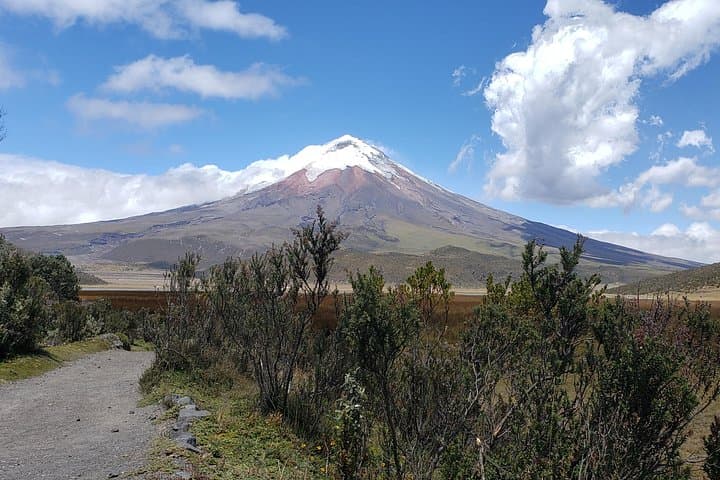
You leave Quito before sunrise, the Pan-American Highway unfurling under a low, cold light as páramo grasses blur past the van windows. Cotopaxi rises ahead — a broad cone of rock and ice that seems to breathe fog across its flanks — and the road climbs until the air tastes thin and sharp.
Verified experiences and guided adventures in the surrounding area.
Operated by Cuenca Bestours Tour Operator · Quito, Pichincha
You leave Quito before sunrise, the Pan-American Highway unfurling under a low, cold light as páramo grasses blur past the van windows. Cotopaxi rises ahead — a broad cone of rock and ice that seems to breathe fog across its flanks — and the road climbs until the air tastes thin and sharp.
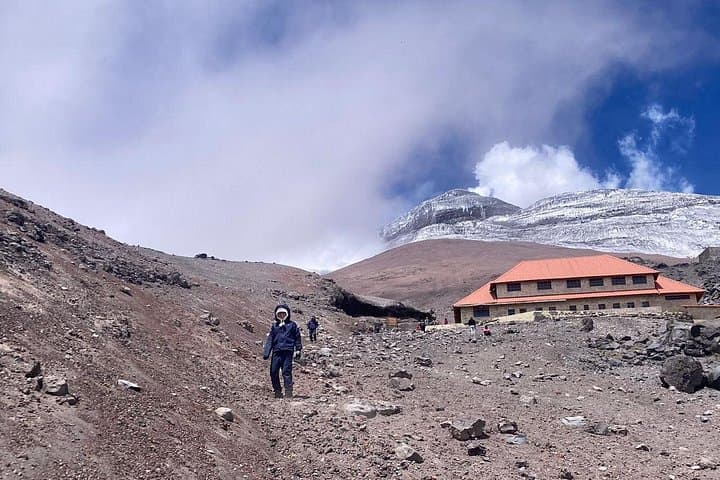
The day centers on Cotopaxi National Park: Limpiopungo Lagoon first, where wind sketches ripples across glassy water and white-capped reflections of the volcano can appear between clouds. Then a drive higher to the parking lot and a hike to the José Rivas Refuge at about 4,800 m. The trail is high-altitude paramo — tufts of grass, volcanic scree and sudden views that force a slow, deliberate pace. For experienced, acclimatized hikers there’s the option to push toward the glacier above 5,000 m, where crampons and guide support are likely required.
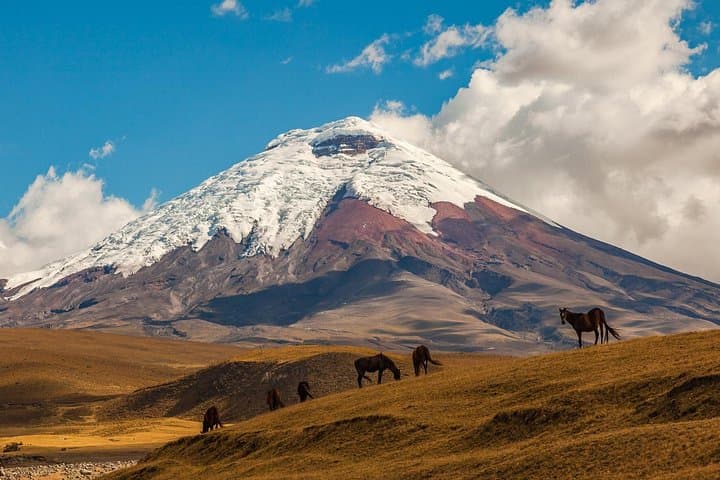
Cotopaxi’s geology is recent and active; its snow-capped summit crowns a series of lava domes and ash layers shaped by repeated eruptions. Local communities maintain ranching traditions and occasional ceremonial events tied to the mountain.
Practical side: expect an 8-hour outing with a mix of driving and hiking, simple two-course lunch at Rondador and a chance to meet llamas. Altitude is the primary challenge — hydrate, move slowly, and monitor symptoms. Sturdy boots, windproof layers and sun protection are non-negotiable. The tour is private and customizable, making it suitable for hikers seeking a relaxed high-Andean introduction or a more ambitious glacier push with proper guides.
challenging.
8 hours.
Good cardiovascular fitness and prior experience at altitude recommended; be prepared for steep sections and thin air.
From the parking lot it’s typically a 1.5–2 hour hike depending on pace and conditions; expect steep sections and loose volcanic scree.
The tour can include an ascent toward the glacier for fit, acclimatized participants, but this requires additional guiding and may be limited by weather and safety.
Entry fees and paperwork for Cotopaxi National Park are generally handled by the operator and included in the private tour, but confirm before booking.
Symptoms range from headache and nausea to more serious forms; ascend slowly, hydrate, avoid alcohol and notify your guide if symptoms worsen.
Cotopaxi has been an important landmark and spiritual feature for Andean cultures and was one of Ecuador’s most active volcanoes historically, influencing settlement and agriculture in surrounding valleys.
Park management balances visitor access with fragile páramo ecosystems; stick to trails, avoid disturbing wildlife and carry out all waste to minimize impact.
Cuenca Bestours Tour Operator operates guided outdoor trips and adventures with an emphasis on safety, stewardship, and memorable experiences.
You leave Quito before sunrise, the Pan-American Highway unfurling under a low, cold light as páramo grasses blur past the van windows. Cotopaxi rises ahead — a broad cone of rock and ice that seems to breathe fog across its flanks — and the road climbs until the air tastes thin and sharp.
You leave Quito before sunrise, the Pan-American Highway unfurling under a low, cold light as páramo grasses blur past the van windows. Cotopaxi rises ahead — a broad cone of rock and ice that seems to breathe fog across its flanks — and the road climbs until the air tastes thin and sharp.
The day centers on Cotopaxi National Park: Limpiopungo Lagoon first, where wind sketches ripples across glassy water and white-capped reflections of the volcano can appear between clouds. Then a drive higher to the parking lot and a hike to the José Rivas Refuge at about 4,800 m. The trail is high-altitude paramo — tufts of grass, volcanic scree and sudden views that force a slow, deliberate pace. For experienced, acclimatized hikers there’s the option to push toward the glacier above 5,000 m, where crampons and guide support are likely required.
Cotopaxi’s geology is recent and active; its snow-capped summit crowns a series of lava domes and ash layers shaped by repeated eruptions. Local communities maintain ranching traditions and occasional ceremonial events tied to the mountain.
Practical side: expect an 8-hour outing with a mix of driving and hiking, simple two-course lunch at Rondador and a chance to meet llamas. Altitude is the primary challenge — hydrate, move slowly, and monitor symptoms. Sturdy boots, windproof layers and sun protection are non-negotiable. The tour is private and customizable, making it suitable for hikers seeking a relaxed high-Andean introduction or a more ambitious glacier push with proper guides.