THE ADVENTURE COLLECTIVE® · Independent discovery and booking for outdoor travel

Stand beneath one of the world’s highest active volcanoes on a private day trip from Quito. Traverse páramo trails to a refuge at 4,500 m, photograph Limpiopungo Lagoon and learn about Cotopaxi’s geology and local culture on this accessible high-altitude outing.
Stand beneath one of the world’s highest active volcanoes on a private day trip from Quito. Traverse páramo trails to a refuge at 4,500 m, photograph Limpiopungo Lagoon and learn about Cotopaxi’s geology and local culture on this accessible high-altitude outing.
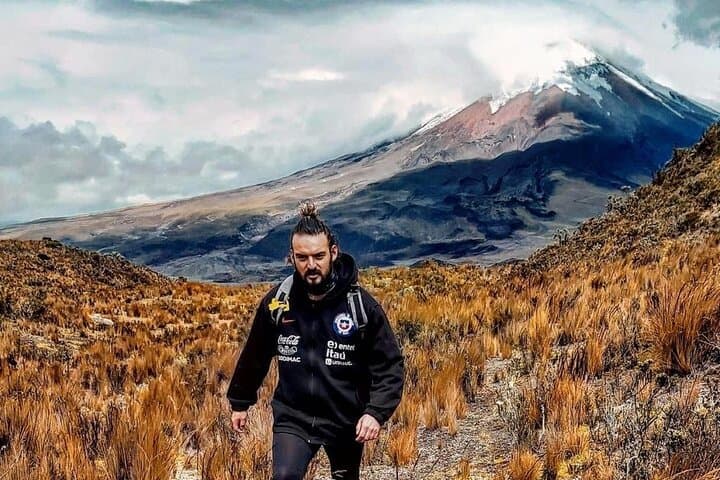
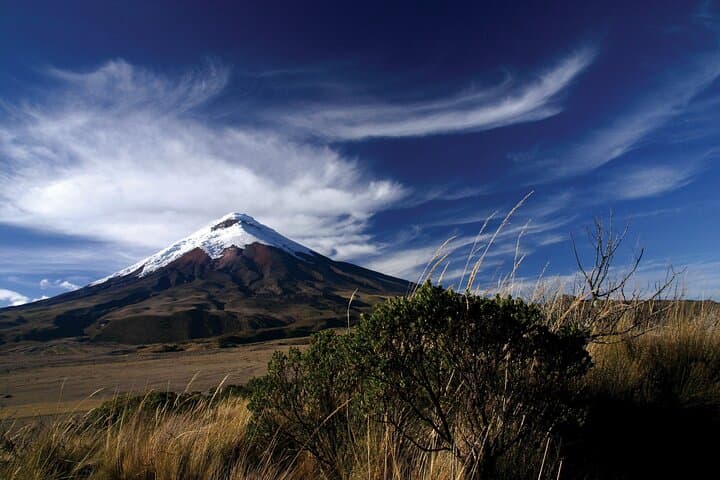
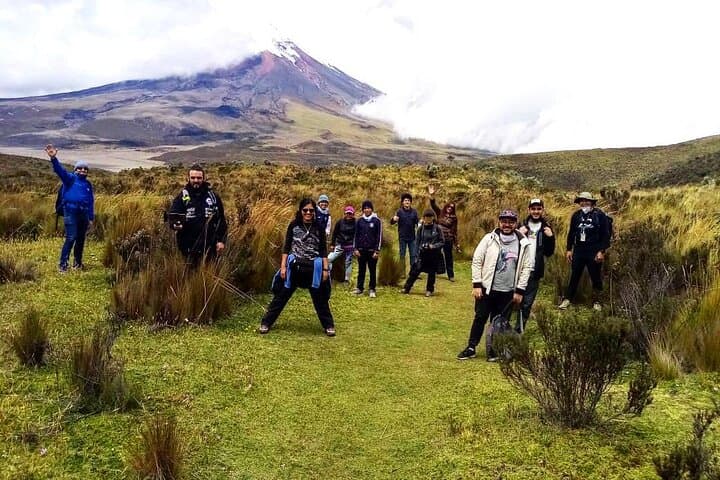
A cold wind chops across the high páramo as the Panamericana unfurls south from Quito and Cotopaxi’s cone appears—clean, symmetrical, and uncompromising against the sky. You step out at the park entrance where a small natural history museum frames the volcano’s story; beyond it the road climbs to a parking lot at about 4,500 m. From there a 45-minute walk leads to the refuge, where the air thins and the view widens to Sincholagua, Rumiñahui and the sweeping glacier lines above.
Verified experiences and guided adventures in the surrounding area.
Operated by Inspiring Ecuador · Latacunga, Cotopaxi
A cold wind chops across the high páramo as the Panamericana unfurls south from Quito and Cotopaxi’s cone appears—clean, symmetrical, and uncompromising against the sky. You step out at the park entrance where a small natural history museum frames the volcano’s story; beyond it the road climbs to a parking lot at about 4,500 m. From there a 45-minute walk leads to the refuge, where the air thins and the view widens to Sincholagua, Rumiñahui and the sweeping glacier lines above.
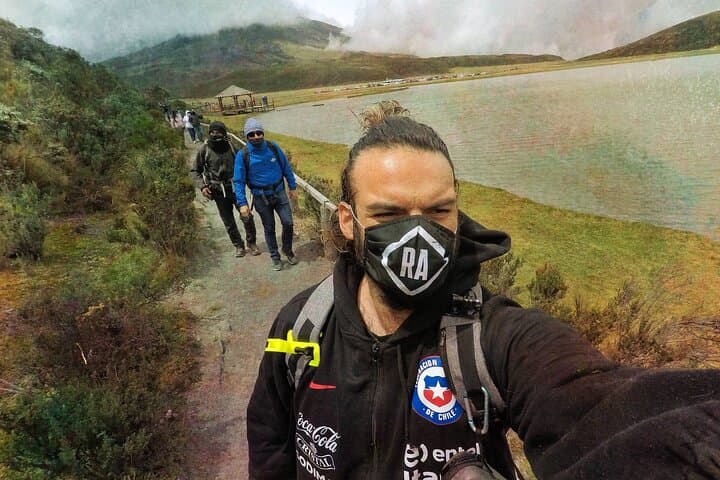
Cotopaxi is one of the world’s highest active stratovolcanoes (5,897 m). The national park preserves a fragile páramo shaped by eruptions and grazing cultures; Inca paths and colonial-era haciendas trace human use of these slopes. Limpiopungo Lagoon (3,800 m) sits at the volcano’s foothills, a stark blue bowl ringed by grasses, where llamas and ground-nesting birds cluster and a guide’s binoculars separate species from the wind.
Practically speaking, this private day tour runs about six hours, with round-trip transport from Quito, bilingual guiding, entry fees, hiking sticks and a typical Andean lunch included. Expect rocky, gravelly trails, short steep pitches, strong sun and sudden weather shifts. Hydrate before you arrive, allow time to acclimatize in Quito or nearby Latacunga, and plan clothing in layers—temperatures swing quickly at altitude. Morning departures maximize visibility and reduce afternoon cloud and wind.
This is a compact high-altitude experience: dramatic panoramas, accessible walking, and a clear lesson in volcanic landscape and Andean culture. Treat the ecosystem with care, give the altitude respect, and the day rewards with wide horizons and a close reading of mountain geology.
moderate.
5–6 hours.
Moderately fit: able to walk 45 minutes at 4,500 m with occasional steep sections; some prior altitude experience helps.
The walk is typically about 45 minutes each way from the parking area at ~4,500 m; the terrain is well-defined but can be steep and windy.
The parking lot and refuge area sit around 4,500 meters; Limpiopungo Lagoon is lower at about 3,800 meters. The volcano summit is not part of the hiking route on this excursion.
Not recommended for people with serious cardiovascular problems or severe respiratory issues; children can join but should be monitored closely for altitude symptoms.
Typical lunch, hiking sticks, bilingual certified guide, transportation from Quito, and Cotopaxi National Park entrance fees are included.
Cotopaxi’s flanks hold traces of Inca-era routes and colonial grazing practices; the volcano’s eruptions have shaped local settlement and agricultural patterns.
Cotopaxi National Park protects fragile páramo ecosystems—stick to trails, avoid feeding wildlife and pack out waste to reduce impact.
Inspiring Ecuador operates guided outdoor trips and adventures with an emphasis on safety, stewardship, and memorable experiences.
A cold wind chops across the high páramo as the Panamericana unfurls south from Quito and Cotopaxi’s cone appears—clean, symmetrical, and uncompromising against the sky. You step out at the park entrance where a small natural history museum frames the volcano’s story; beyond it the road climbs to a parking lot at about 4,500 m. From there a 45-minute walk leads to the refuge, where the air thins and the view widens to Sincholagua, Rumiñahui and the sweeping glacier lines above.
A cold wind chops across the high páramo as the Panamericana unfurls south from Quito and Cotopaxi’s cone appears—clean, symmetrical, and uncompromising against the sky. You step out at the park entrance where a small natural history museum frames the volcano’s story; beyond it the road climbs to a parking lot at about 4,500 m. From there a 45-minute walk leads to the refuge, where the air thins and the view widens to Sincholagua, Rumiñahui and the sweeping glacier lines above.
Cotopaxi is one of the world’s highest active stratovolcanoes (5,897 m). The national park preserves a fragile páramo shaped by eruptions and grazing cultures; Inca paths and colonial-era haciendas trace human use of these slopes. Limpiopungo Lagoon (3,800 m) sits at the volcano’s foothills, a stark blue bowl ringed by grasses, where llamas and ground-nesting birds cluster and a guide’s binoculars separate species from the wind.
Practically speaking, this private day tour runs about six hours, with round-trip transport from Quito, bilingual guiding, entry fees, hiking sticks and a typical Andean lunch included. Expect rocky, gravelly trails, short steep pitches, strong sun and sudden weather shifts. Hydrate before you arrive, allow time to acclimatize in Quito or nearby Latacunga, and plan clothing in layers—temperatures swing quickly at altitude. Morning departures maximize visibility and reduce afternoon cloud and wind.
This is a compact high-altitude experience: dramatic panoramas, accessible walking, and a clear lesson in volcanic landscape and Andean culture. Treat the ecosystem with care, give the altitude respect, and the day rewards with wide horizons and a close reading of mountain geology.