THE ADVENTURE COLLECTIVE® · Independent discovery and booking for outdoor travel

Two days from Quito take you up to Cotopaxi’s high páramo and down the dizzying Devil’s Nose railway at Alausí. This private itinerary pairs short alpine hikes with a classic engineering train ride for a compact highland experience.
Two days from Quito take you up to Cotopaxi’s high páramo and down the dizzying Devil’s Nose railway at Alausí. This private itinerary pairs short alpine hikes with a classic engineering train ride for a compact highland experience.
A low, cold light washes over the high páramo as a private van pulls away from Quito and the Andes open into their true scale. Snow and black volcanic rock dominate the skyline; Cotopaxi’s cone cuts a clean line against the sky while the road climbs past grazing horses and the silver flash of Limpiopungo lagoon.
Verified experiences and guided adventures in the surrounding area.
Operated by Latin Adventures Cía Ltda · Quito, Pichincha
A low, cold light washes over the high páramo as a private van pulls away from Quito and the Andes open into their true scale. Snow and black volcanic rock dominate the skyline; Cotopaxi’s cone cuts a clean line against the sky while the road climbs past grazing horses and the silver flash of Limpiopungo lagoon.
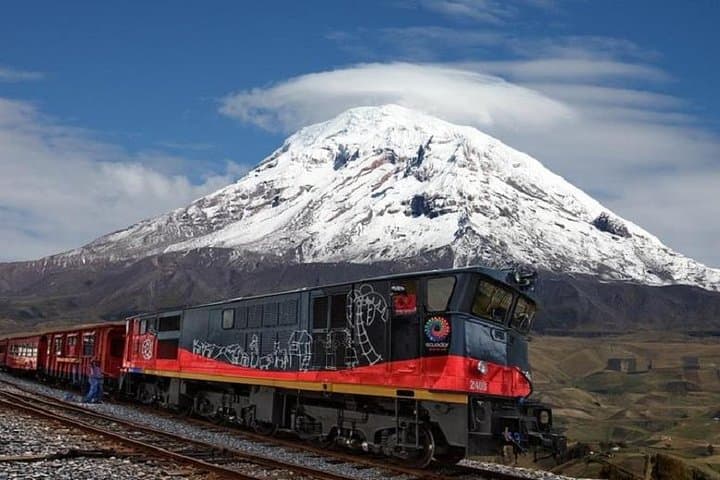
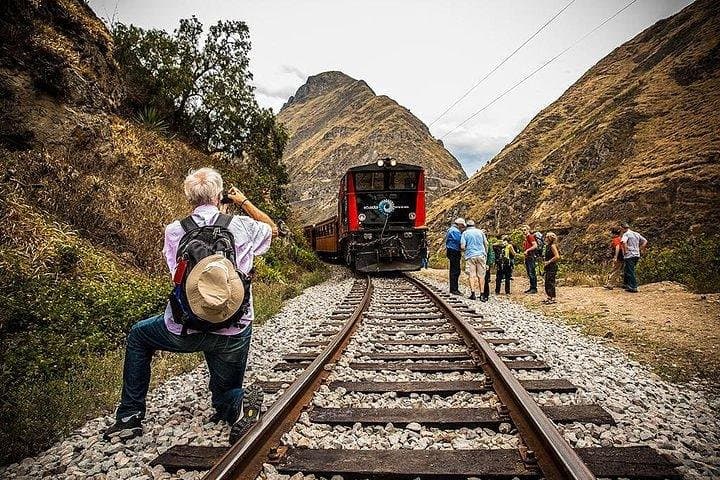
The next day trades glacial air for the rumble of rails. In Alausí, the Devil’s Nose train negotiates a century-old zigzag of engineering — a descent that hugs cliffs and offers raw, vertical perspectives of Andes valleys. Both pieces of the route are human responses to a landscape shaped by volcanoes and tectonic uplift: Cotopaxi is a young, symmetrical stratovolcano on the Avenue of the Volcanoes; the railway is an early-20th-century solution to steep terrain.
Culturally, the highlands here remain agrarian and Quechua-influenced; small towns like Alausí retain colonial streets and regional cuisine served at local restaurants. Visitors who move deliberately will notice local stonework, highland grazing practices, and the way weather can shift visibility in minutes.
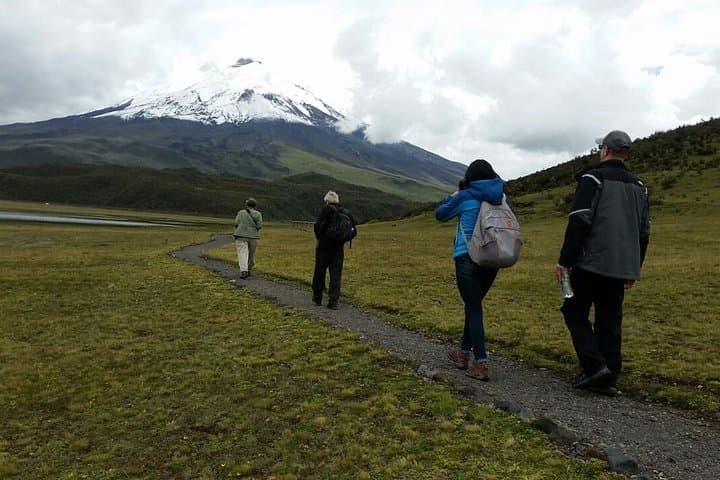
Practical guidance: expect thin air — Cotopaxi access reaches about 4,830 m (15,850 ft) at Padre Rivas refuge with short, steep hikes to viewpoints; Limpiopungo trails are gentler loops of 1–3 km over volcanic soils. On the Devil’s Nose ride, the rail segment is roughly 2 hours round-trip with multiple photo stops.
Bring layered clothing for cold and wind, sun protection for high-UV exposure, and allow time to acclimatize in Quito before ascent. The itinerary suits travelers wanting iconic highland landscapes paired with a historic rail experience.
moderate.
2 days.
Moderate fitness recommended — short steep hikes at high altitude require good aerobic conditioning and stable footing.
The tour reaches the Padre Rivas area at about 4,830 m (15,850 ft); summit climbs are not included and require technical equipment and acclimatization.
The scenic rail segment from Alausí is roughly a 2-hour round trip with stops and photo opportunities along the zigzag descent.
No technical hiking skills are required; walks are short but can be steep and on loose volcanic terrain, so steady balance and basic hiking ability are sufficient.
Hydrate well, avoid heavy exertion the first 24 hours, sleep at lower elevations if possible, and speak to your guide if you have concerns; medication like acetazolamide can be discussed with your doctor.
The Devil’s Nose railway is an early 20th‑century engineering response to extreme slopes, while Cotopaxi has long held cultural significance for Andean communities and was active in historic eruptions.
Cotopaxi National Park protects puna grasslands and páramo ecosystems vulnerable to erosion and grazing—stay on trails, pack out waste, and respect livestock and native vegetation.
Latin Adventures Cía Ltda operates guided outdoor trips and adventures with an emphasis on safety, stewardship, and memorable experiences.
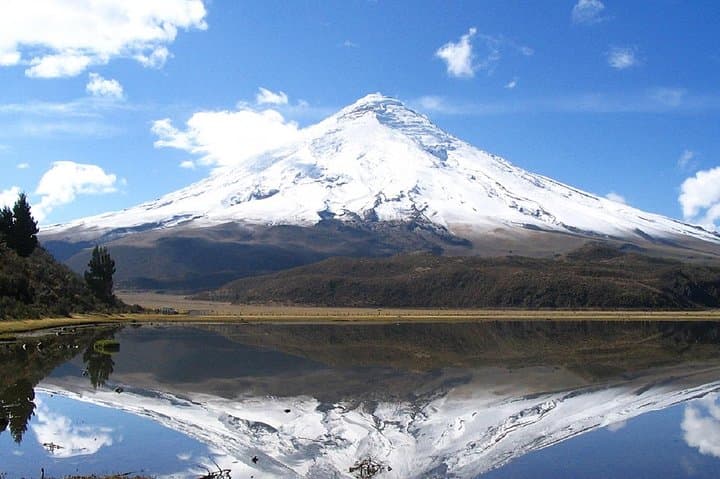
A low, cold light washes over the high páramo as a private van pulls away from Quito and the Andes open into their true scale. Snow and black volcanic rock dominate the skyline; Cotopaxi’s cone cuts a clean line against the sky while the road climbs past grazing horses and the silver flash of Limpiopungo lagoon.
A low, cold light washes over the high páramo as a private van pulls away from Quito and the Andes open into their true scale. Snow and black volcanic rock dominate the skyline; Cotopaxi’s cone cuts a clean line against the sky while the road climbs past grazing horses and the silver flash of Limpiopungo lagoon.
The next day trades glacial air for the rumble of rails. In Alausí, the Devil’s Nose train negotiates a century-old zigzag of engineering — a descent that hugs cliffs and offers raw, vertical perspectives of Andes valleys. Both pieces of the route are human responses to a landscape shaped by volcanoes and tectonic uplift: Cotopaxi is a young, symmetrical stratovolcano on the Avenue of the Volcanoes; the railway is an early-20th-century solution to steep terrain.
Culturally, the highlands here remain agrarian and Quechua-influenced; small towns like Alausí retain colonial streets and regional cuisine served at local restaurants. Visitors who move deliberately will notice local stonework, highland grazing practices, and the way weather can shift visibility in minutes.
Practical guidance: expect thin air — Cotopaxi access reaches about 4,830 m (15,850 ft) at Padre Rivas refuge with short, steep hikes to viewpoints; Limpiopungo trails are gentler loops of 1–3 km over volcanic soils. On the Devil’s Nose ride, the rail segment is roughly 2 hours round-trip with multiple photo stops.
Bring layered clothing for cold and wind, sun protection for high-UV exposure, and allow time to acclimatize in Quito before ascent. The itinerary suits travelers wanting iconic highland landscapes paired with a historic rail experience.