THE ADVENTURE COLLECTIVE® · Independent discovery and booking for outdoor travel

Ascend Ecuador’s iconic cone on a day trip from Quito: drive into Cotopaxi National Park, walk up to the Refugio at 4,500 m, then cross the páramo to Limpiopungo Lake for birding and views. Expect thin air, rough footing, and dramatic high‑altitude landscapes.
Ascend Ecuador’s iconic cone on a day trip from Quito: drive into Cotopaxi National Park, walk up to the Refugio at 4,500 m, then cross the páramo to Limpiopungo Lake for birding and views. Expect thin air, rough footing, and dramatic high‑altitude landscapes.
You leave Quito before dawn, the Panamericana cutting a straight line through high grasslands as Cotopaxi’s broad cone grows from cloud to crisp outline. By the park gate the air is thin and sharp; pumice and volcanic ash crunch underfoot. The route climbs by vehicle to roughly 4,500 m, then a 30–45 minute walk carries you up to the Refugio — a squat stone shelter that feels like a human response to the mountain’s scale.
Verified experiences and guided adventures in the surrounding area.
Operated by Adventure Journeys · Latacunga, Cotopaxi Province
You leave Quito before dawn, the Panamericana cutting a straight line through high grasslands as Cotopaxi’s broad cone grows from cloud to crisp outline. By the park gate the air is thin and sharp; pumice and volcanic ash crunch underfoot. The route climbs by vehicle to roughly 4,500 m, then a 30–45 minute walk carries you up to the Refugio — a squat stone shelter that feels like a human response to the mountain’s scale.
Geology here reads like a layered field guide: andesitic flows, glacial scars and a summit crater that still vents steam on active years. Cotopaxi is one of the world’s highest active volcanoes, and the surrounding páramo is a cool, grassy moor shaped by millennia of uplift and ice. Human history is present in small ways — faint Inca trails and local shepherding traditions still practiced by campesinos who work the slopes.
Practical guidance is straightforward. The high elevation, not the distance, is the test — expect breathless steps and strong sun. Plan for quick temperature swings and sturdy footing on pumice and loose gravel. The itinerary commonly includes a stop at the park’s natural history museum, the vehicle ascent to the parking area, the short walk to the Refugio, then a drive across the páramo to Limpiopungo Lake for birding and easy shore strolls.
Timing: morning departures maximize visibility and reduce wind. Hydrate and eat before the ascent; use slow pacing and rest frequently. Footwear with good traction, layered clothing for wind and sun protection, and respect for park rules will make this high-country day satisfying and safe.
moderate.
8 hours.
Moderate fitness; able to walk 45 minutes uphill at high altitude and tolerate altitude exposure
Vehicles usually reach the park parking area around 4,500 m; the walk to the Refugio adds a short uphill section that takes roughly 30–45 minutes.
No technical equipment is needed for the day trip; the route to the Refugio is a non‑technical walk but can be steep and loose underfoot.
Yes — the lake and páramo host ducks, Andean coots, and a variety of high‑altitude passerines; birding is best during calmer morning hours.
Guides brief guests on altitude symptoms and pacing, but travelers should arrive rested, hydrated, and communicate any preexisting conditions in advance.
Cotopaxi has been significant to Andean peoples for centuries; archaeological traces and historic shepherding routes crisscross the park below the peak.
The páramo is a fragile, slow‑growing ecosystem; stay on trails, pack out waste, and respect grazing areas to limit erosion and habitat disturbance.
Adventure Journeys operates guided outdoor trips and adventures with an emphasis on safety, stewardship, and memorable experiences.
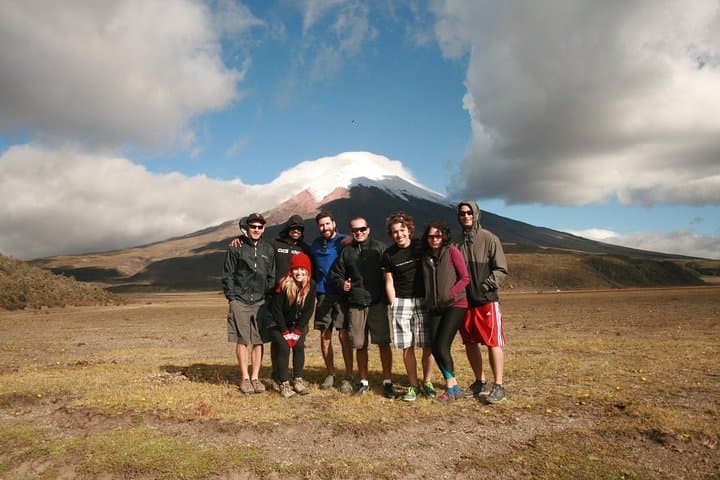
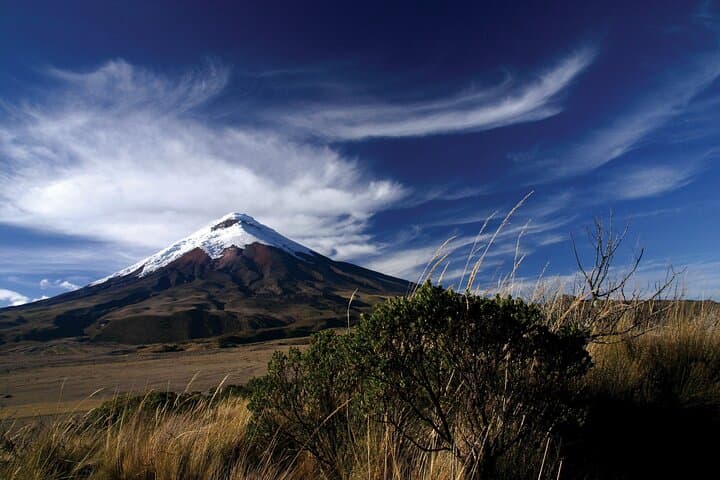
You leave Quito before dawn, the Panamericana cutting a straight line through high grasslands as Cotopaxi’s broad cone grows from cloud to crisp outline. By the park gate the air is thin and sharp; pumice and volcanic ash crunch underfoot. The route climbs by vehicle to roughly 4,500 m, then a 30–45 minute walk carries you up to the Refugio — a squat stone shelter that feels like a human response to the mountain’s scale.
You leave Quito before dawn, the Panamericana cutting a straight line through high grasslands as Cotopaxi’s broad cone grows from cloud to crisp outline. By the park gate the air is thin and sharp; pumice and volcanic ash crunch underfoot. The route climbs by vehicle to roughly 4,500 m, then a 30–45 minute walk carries you up to the Refugio — a squat stone shelter that feels like a human response to the mountain’s scale.
Geology here reads like a layered field guide: andesitic flows, glacial scars and a summit crater that still vents steam on active years. Cotopaxi is one of the world’s highest active volcanoes, and the surrounding páramo is a cool, grassy moor shaped by millennia of uplift and ice. Human history is present in small ways — faint Inca trails and local shepherding traditions still practiced by campesinos who work the slopes.
Practical guidance is straightforward. The high elevation, not the distance, is the test — expect breathless steps and strong sun. Plan for quick temperature swings and sturdy footing on pumice and loose gravel. The itinerary commonly includes a stop at the park’s natural history museum, the vehicle ascent to the parking area, the short walk to the Refugio, then a drive across the páramo to Limpiopungo Lake for birding and easy shore strolls.
Timing: morning departures maximize visibility and reduce wind. Hydrate and eat before the ascent; use slow pacing and rest frequently. Footwear with good traction, layered clothing for wind and sun protection, and respect for park rules will make this high-country day satisfying and safe.