THE ADVENTURE COLLECTIVE® · Independent discovery and booking for outdoor travel

Climb into Andean high country on a private day trip to Cotopaxi: hike from a high-altitude parking lot to the José Rivas refuge, loop Limpiopungo Lake to acclimatize, and finish with lunch at a 300-year-old hacienda. Expect thin air, sweeping volcanic views and practical logistics around altitude.
Climb into Andean high country on a private day trip to Cotopaxi: hike from a high-altitude parking lot to the José Rivas refuge, loop Limpiopungo Lake to acclimatize, and finish with lunch at a 300-year-old hacienda. Expect thin air, sweeping volcanic views and practical logistics around altitude.
You step out of the van into a thin, sharp air; Cotopaxi’s cone rises like a pale giant above the puna, its glacier catching the morning light. The trailhead at 4,500 m begins with scrubby grasses and the distant clip of wild horses; every breath reminds you that this is high mountain country where weather and altitude set the pace.
Verified experiences and guided adventures in the surrounding area.
Operated by Ecuador Best Tours · Latacunga, Cotopaxi
You step out of the van into a thin, sharp air; Cotopaxi’s cone rises like a pale giant above the puna, its glacier catching the morning light. The trailhead at 4,500 m begins with scrubby grasses and the distant clip of wild horses; every breath reminds you that this is high mountain country where weather and altitude set the pace.
Geologically Cotopaxi is a young stratovolcano on Ecuador’s Avenue of the Volcanoes, its eruptions shaping soils and lakes like Limpiopungo nearby. The landscape holds colonial layers too: centuries-old haciendas occupy lower slopes, relics of Andean agricultural history where Spanish and indigenous practices intersected.
Culturally, the park sits within traditional highland communities; local guides blend natural history with stories about land use, horses, and the way weather patterns change quickly at altitude. Wildlife is sparse but resilient—andean foxes, giant hummingbirds and horse herds adapt to the thin air.
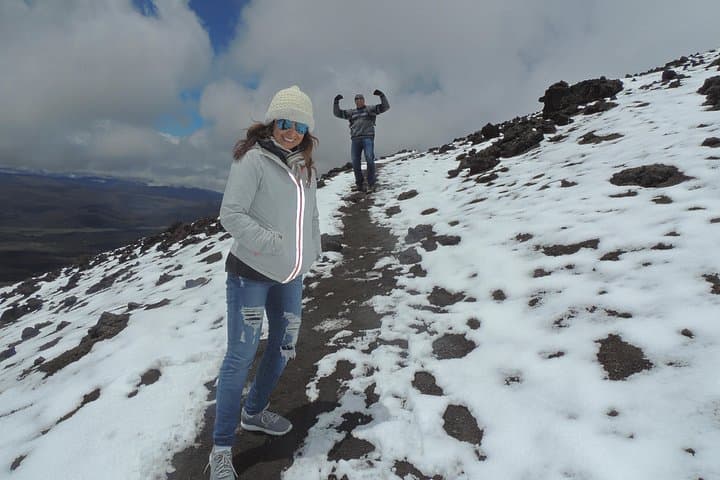
Practical guidance: plan an 8–9 hour day, start early to avoid weather shifts, and use the hike around Limpiopungo to acclimatize. The one-hour ascent to José Rivas refuge from the parking lot is steep and can be icy; layers, sun protection and modest trekking experience are essential. Carry water, take steady breaks to monitor symptoms of altitude sickness, and respect park rules and fragile páramo soils.
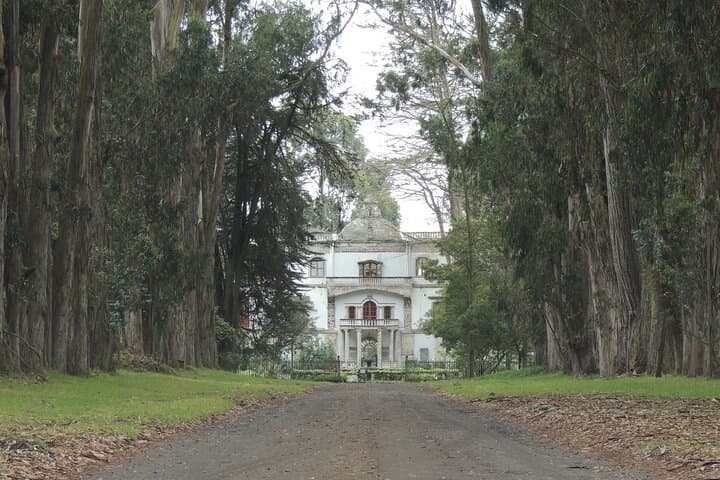
The last act is a descent to a 300-year-old hacienda for lunch—colonial architecture and local cuisine provide a grounded contrast to the high, glacial silence of Cotopaxi.
challenging.
8–9 hours.
Moderate to good cardiovascular fitness recommended; the altitude makes short steep hikes feel much harder.
You drive to ~4,500 m and hike approximately one hour up to the José Rivas refuge at ~4,800 m; expect short steep sections.
Possible with reasonable fitness, but altitude makes exertion harder—notify guides of medical issues and consider extra acclimatization time.
Lunch at a colonial hacienda is included; restroom facilities are basic in park areas and at the hacienda—bring hand sanitizer.
Tours can be canceled for bad weather for safety; morning departures reduce the likelihood of afternoon storms at high elevations.
Cotopaxi has been a focal point of Andean life for centuries; colonial haciendas on lower slopes reflect Spanish-era landholding patterns and local agricultural traditions.
Cotopaxi National Park protects fragile páramo and glacial environments; stick to trails, pack out waste and respect seasonal grazing restrictions to reduce impact.
Ecuador Best Tours operates guided outdoor trips and adventures with an emphasis on safety, stewardship, and memorable experiences.
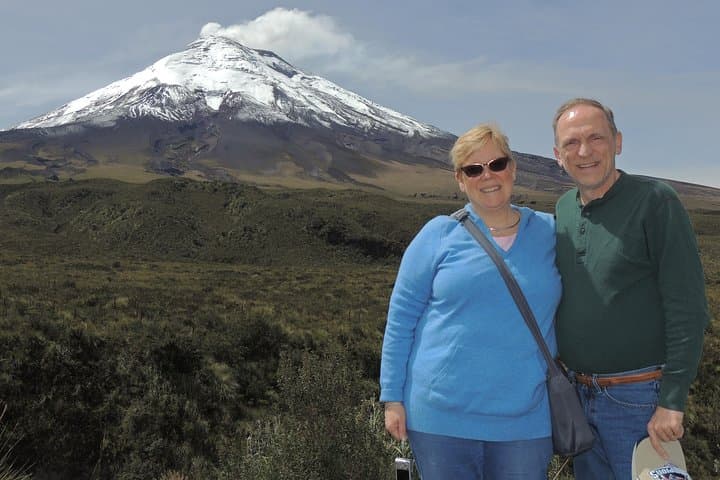
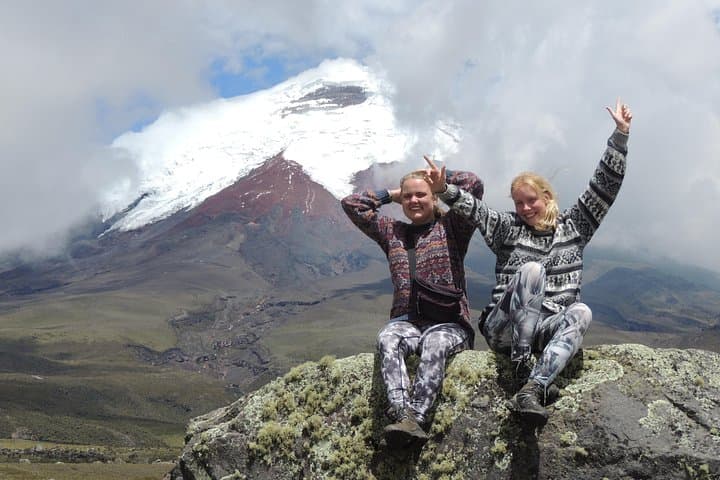
You step out of the van into a thin, sharp air; Cotopaxi’s cone rises like a pale giant above the puna, its glacier catching the morning light. The trailhead at 4,500 m begins with scrubby grasses and the distant clip of wild horses; every breath reminds you that this is high mountain country where weather and altitude set the pace.
You step out of the van into a thin, sharp air; Cotopaxi’s cone rises like a pale giant above the puna, its glacier catching the morning light. The trailhead at 4,500 m begins with scrubby grasses and the distant clip of wild horses; every breath reminds you that this is high mountain country where weather and altitude set the pace.
Geologically Cotopaxi is a young stratovolcano on Ecuador’s Avenue of the Volcanoes, its eruptions shaping soils and lakes like Limpiopungo nearby. The landscape holds colonial layers too: centuries-old haciendas occupy lower slopes, relics of Andean agricultural history where Spanish and indigenous practices intersected.
Culturally, the park sits within traditional highland communities; local guides blend natural history with stories about land use, horses, and the way weather patterns change quickly at altitude. Wildlife is sparse but resilient—andean foxes, giant hummingbirds and horse herds adapt to the thin air.
Practical guidance: plan an 8–9 hour day, start early to avoid weather shifts, and use the hike around Limpiopungo to acclimatize. The one-hour ascent to José Rivas refuge from the parking lot is steep and can be icy; layers, sun protection and modest trekking experience are essential. Carry water, take steady breaks to monitor symptoms of altitude sickness, and respect park rules and fragile páramo soils.
The last act is a descent to a 300-year-old hacienda for lunch—colonial architecture and local cuisine provide a grounded contrast to the high, glacial silence of Cotopaxi.