THE ADVENTURE COLLECTIVE® · Independent discovery and booking for outdoor travel

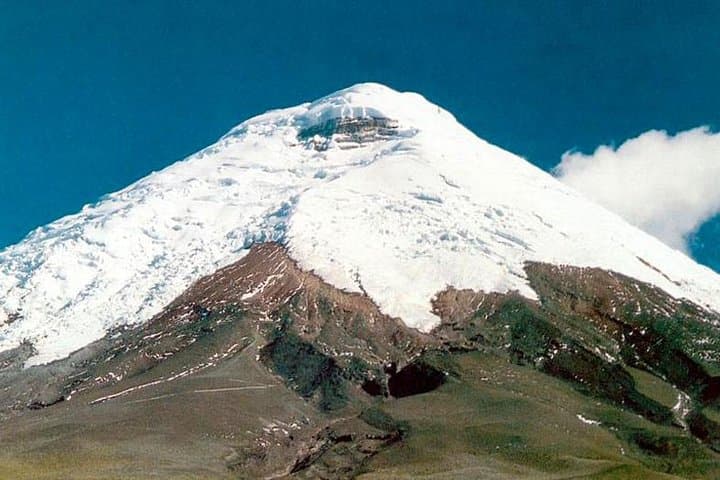
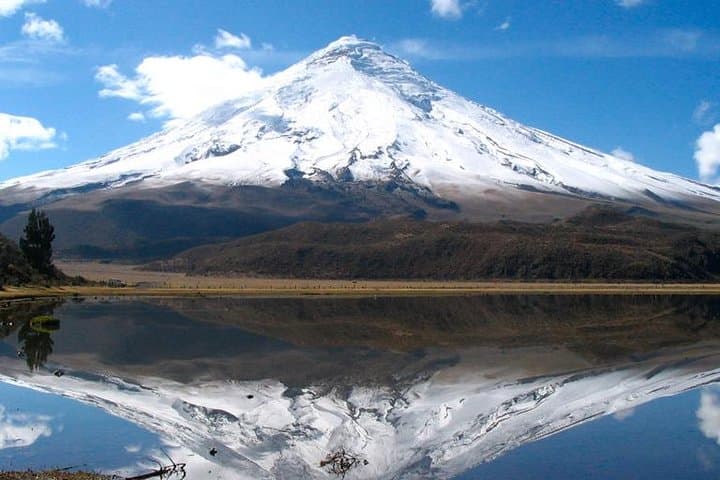
Drive from Quito into high Andean landscapes to stand beneath Cotopaxi’s snow-bright cone. This private day tour visits Cotopaxi National Park with photo stops, a walk to Limpiopungo Lagoon and optional downhill biking—ideal for travelers wanting dramatic views without a summit climb.
Drive from Quito into high Andean landscapes to stand beneath Cotopaxi’s snow-bright cone. This private day tour visits Cotopaxi National Park with photo stops, a walk to Limpiopungo Lagoon and optional downhill biking—ideal for travelers wanting dramatic views without a summit climb.
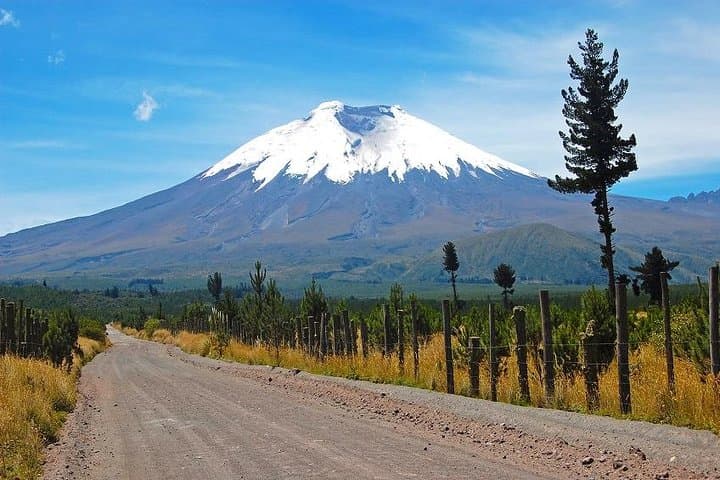
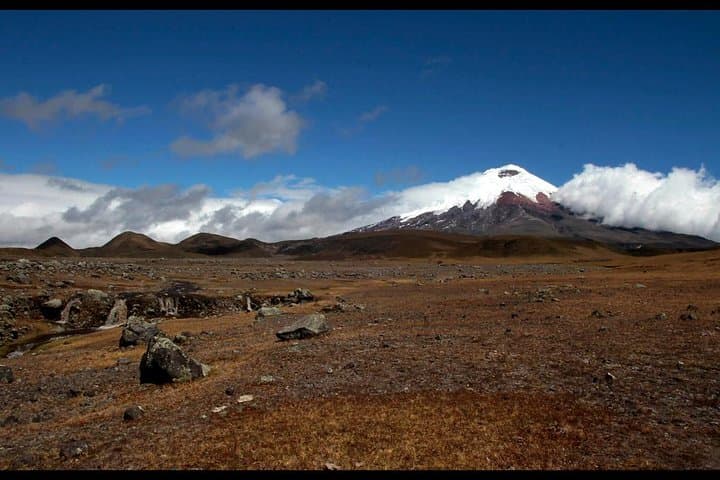
A cold wind meets the van as it crests the high road out of Quito and the cone of Cotopaxi appears—white-tipped, abrupt, and indifferent to the city two hours behind. Travelers step out onto thin air at the park gate where the landscape changes from cultivated valley to open paramo: tussock grasses, low shrubs, and a sky that feels impossibly close.
Verified experiences and guided adventures in the surrounding area.
Operated by RollerBike Sports · Quito, Pichincha
A cold wind meets the van as it crests the high road out of Quito and the cone of Cotopaxi appears—white-tipped, abrupt, and indifferent to the city two hours behind. Travelers step out onto thin air at the park gate where the landscape changes from cultivated valley to open paramo: tussock grasses, low shrubs, and a sky that feels impossibly close.
Cotopaxi is an active stratovolcano rising to 5,897 m (19,347 ft), long woven into Andean lifeways and colonial records alike; its eruptions shaped local settlement patterns and the park’s dramatic glacial cirques. Geologically, the volcano sits on the young Andes where ongoing uplift and glaciation carve sharp ridgelines and steep moraines. Quechua place names and small roadside markets attest to a living rural culture—hatmakers, horsemen, and farmers who read weather on the wind.
A private tour from Quito typically includes photo stops, a short walk to Limpiopungo Lagoon, and optional bike or roll-skate downhill sections on maintained gravel roads. Expect frequent stops for acclimatization, sweeping views of neighboring peaks (Cayambe, Antisana, Rumiñahui), and sightings of Andean birds and feral horses.
Practical guidance: allow 7–8 hours for travel and park time, dress in breathable layers for sharp temperature swings, and plan for strong sun and gusty winds. Hydrate before arrival to reduce altitude effects and carry cash for park registration and a simple lunch. Respect marked trails—the páramo is slow to recover—and listen to guides about weather and glacier access to keep the day rewarding and safe.
moderate.
7–8 hours.
Moderate fitness; able to walk short distances at high altitude and handle elevation changes without heavy strain
The drive is about 1.5–2 hours each way depending on traffic and exact pickup location; plan for a 7–8 hour round trip.
No; the tour visits Cotopaxi National Park, Limpiopungo Lagoon and viewpoints—summit climbs require technical gear, acclimatization and multi-day logistics.
Park admission is generally paid on-site; confirm with the operator but bring cash for registration and a certified park guide if required.
Symptoms can appear quickly—stay hydrated, eat light, avoid alcohol before the trip, and notify guides if you feel dizzy or breathless; they can adjust plans if needed.
Cotopaxi has been an important landmark for indigenous Andean communities for centuries and its eruptions have influenced settlement and land use across the highlands.
Cotopaxi National Park protects fragile páramo and glacial environments; stick to trails, pack out waste, and support local guides whose fees help fund conservation.
RollerBike Sports operates guided outdoor trips and adventures with an emphasis on safety, stewardship, and memorable experiences.
A cold wind meets the van as it crests the high road out of Quito and the cone of Cotopaxi appears—white-tipped, abrupt, and indifferent to the city two hours behind. Travelers step out onto thin air at the park gate where the landscape changes from cultivated valley to open paramo: tussock grasses, low shrubs, and a sky that feels impossibly close.
A cold wind meets the van as it crests the high road out of Quito and the cone of Cotopaxi appears—white-tipped, abrupt, and indifferent to the city two hours behind. Travelers step out onto thin air at the park gate where the landscape changes from cultivated valley to open paramo: tussock grasses, low shrubs, and a sky that feels impossibly close.
Cotopaxi is an active stratovolcano rising to 5,897 m (19,347 ft), long woven into Andean lifeways and colonial records alike; its eruptions shaped local settlement patterns and the park’s dramatic glacial cirques. Geologically, the volcano sits on the young Andes where ongoing uplift and glaciation carve sharp ridgelines and steep moraines. Quechua place names and small roadside markets attest to a living rural culture—hatmakers, horsemen, and farmers who read weather on the wind.
A private tour from Quito typically includes photo stops, a short walk to Limpiopungo Lagoon, and optional bike or roll-skate downhill sections on maintained gravel roads. Expect frequent stops for acclimatization, sweeping views of neighboring peaks (Cayambe, Antisana, Rumiñahui), and sightings of Andean birds and feral horses.
Practical guidance: allow 7–8 hours for travel and park time, dress in breathable layers for sharp temperature swings, and plan for strong sun and gusty winds. Hydrate before arrival to reduce altitude effects and carry cash for park registration and a simple lunch. Respect marked trails—the páramo is slow to recover—and listen to guides about weather and glacier access to keep the day rewarding and safe.