THE ADVENTURE COLLECTIVE® · Independent discovery and booking for outdoor travel

A compact two-day circuit from Quito that pairs Cotopaxi’s towering glacier cone with Quilotoa’s vivid crater lake. Expect highland trails, indigenous culture, and dramatic volcanic scenery with practical guiding and a hotel night between excursions.
A compact two-day circuit from Quito that pairs Cotopaxi’s towering glacier cone with Quilotoa’s vivid crater lake. Expect highland trails, indigenous culture, and dramatic volcanic scenery with practical guiding and a hotel night between excursions.
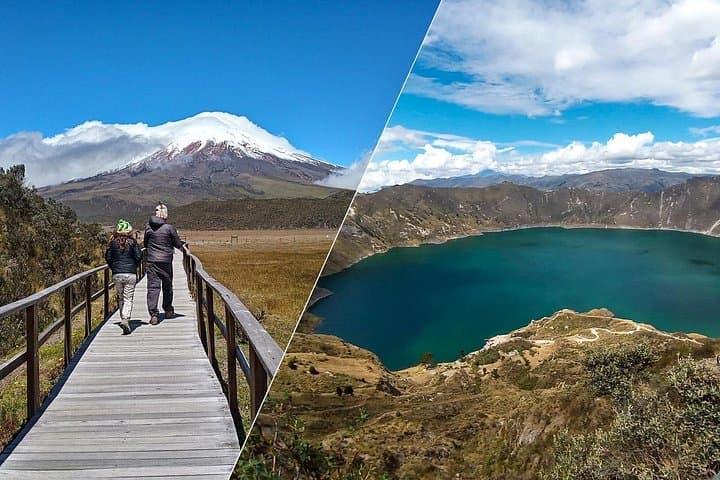
You step out of the van into thin air and the world narrows to two shapes: Cotopaxi’s snow-capped cone breathing steam into the sky, and the turquoise circle of Quilotoa waiting two days away. The road from Quito climbs past Andean grasslands where wind pushes tufts of ichu like slow waves, and every roadside farm seems to dare you to slow down and look.
Verified experiences and guided adventures in the surrounding area.
Operated by Real Dreams Tour · Quito, Pichincha
You step out of the van into thin air and the world narrows to two shapes: Cotopaxi’s snow-capped cone breathing steam into the sky, and the turquoise circle of Quilotoa waiting two days away. The road from Quito climbs past Andean grasslands where wind pushes tufts of ichu like slow waves, and every roadside farm seems to dare you to slow down and look.
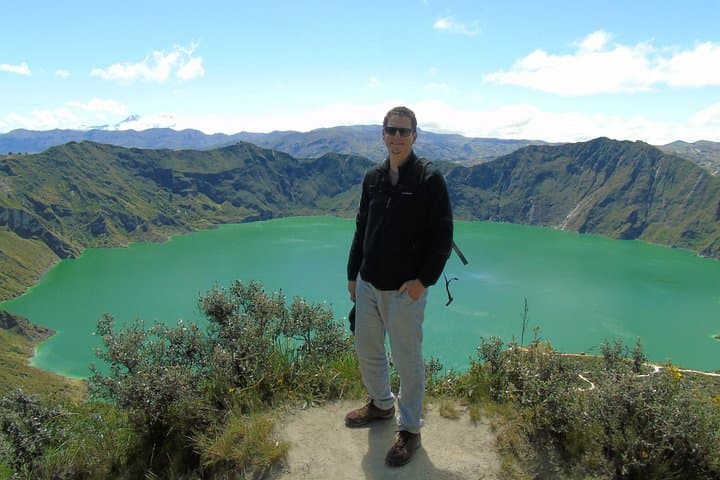
Cotopaxi is one of the world’s highest active volcanoes; its glacier-clad summit rises above 5,800 m and has shaped local soils and culture for millennia. Quilotoa’s crater formed in a dramatic collapse around 800 years ago and now holds a striking lake whose mineral-rich waters reflect an impossible color. Along the route you’ll pass indigenous markets and small villages where traditional weaving and highland cuisine remain integral to daily life.
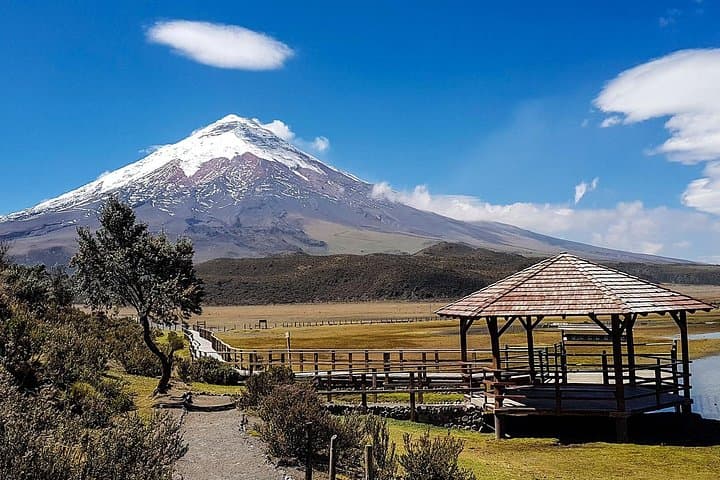
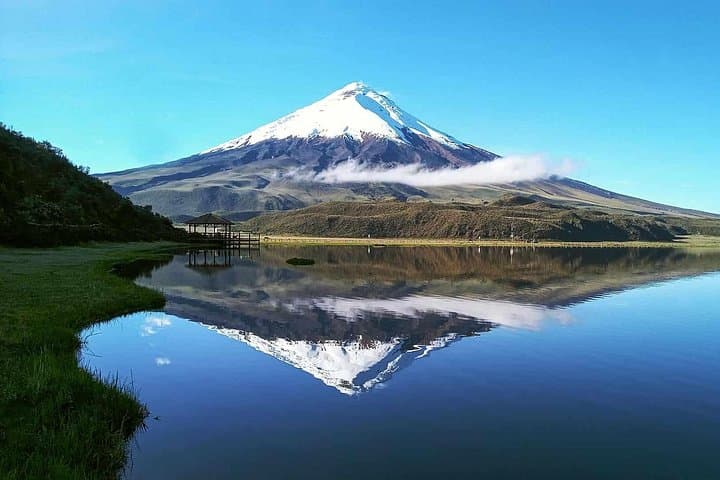
The itinerary balances short alpine walks (to the Rivas refuge and Limpiopungo Lagoon) with cultural stops and a guided descent into Quilotoa’s crater rim. Expect gravel tracks, paved sections, and steep switchbacks—altitude is the real variable here, not technical difficulty.
Practical guidance: stay hydrated and pace your breathing as you gain elevation; pack warm layers and a windproof shell for summit views and crater winds; choose sturdy footwear with good grip for loose volcanic scree; book morning departures to maximize visibility. Guides handle logistics and meals; your job is to move deliberately, photograph wisely, and leave no trace on these fragile highland landscapes.
easy.
2 days.
Suitable for travelers in regular, moderate fitness; must handle short uphill walks at altitude.
The drive is roughly 1.5–2 hours (about 50–60 km) depending on traffic and exact pickup location.
No; the tour visits the Rivas refuge and park viewpoints—summiting Cotopaxi requires technical gear and acclimatization beyond this itinerary.
Swimming is possible but water is cold and access requires descending steep trails; many visitors opt to walk the rim or take a short descent instead.
Yes—this private tour includes one night’s lodging, breakfast and lunch as listed, and private transportation.
Cotopaxi has been a cultural focal point for Andean communities for centuries and has shaped local agriculture; Quilotoa’s caldera formed after a massive volcanic collapse roughly a millennium ago.
Both sites are protected—stay on trails to avoid trampling fragile páramo vegetation and support local guides and businesses that follow leave-no-trace practices.
Real Dreams Tour operates guided outdoor trips and adventures with an emphasis on safety, stewardship, and memorable experiences.
You step out of the van into thin air and the world narrows to two shapes: Cotopaxi’s snow-capped cone breathing steam into the sky, and the turquoise circle of Quilotoa waiting two days away. The road from Quito climbs past Andean grasslands where wind pushes tufts of ichu like slow waves, and every roadside farm seems to dare you to slow down and look.
You step out of the van into thin air and the world narrows to two shapes: Cotopaxi’s snow-capped cone breathing steam into the sky, and the turquoise circle of Quilotoa waiting two days away. The road from Quito climbs past Andean grasslands where wind pushes tufts of ichu like slow waves, and every roadside farm seems to dare you to slow down and look.
Cotopaxi is one of the world’s highest active volcanoes; its glacier-clad summit rises above 5,800 m and has shaped local soils and culture for millennia. Quilotoa’s crater formed in a dramatic collapse around 800 years ago and now holds a striking lake whose mineral-rich waters reflect an impossible color. Along the route you’ll pass indigenous markets and small villages where traditional weaving and highland cuisine remain integral to daily life.
The itinerary balances short alpine walks (to the Rivas refuge and Limpiopungo Lagoon) with cultural stops and a guided descent into Quilotoa’s crater rim. Expect gravel tracks, paved sections, and steep switchbacks—altitude is the real variable here, not technical difficulty.
Practical guidance: stay hydrated and pace your breathing as you gain elevation; pack warm layers and a windproof shell for summit views and crater winds; choose sturdy footwear with good grip for loose volcanic scree; book morning departures to maximize visibility. Guides handle logistics and meals; your job is to move deliberately, photograph wisely, and leave no trace on these fragile highland landscapes.