THE ADVENTURE COLLECTIVE® · Independent discovery and booking for outdoor travel

Two days that trade Quito’s city light for high Andean wind: climb to the José Rivas refuge beside Cotopaxi’s glaciers, then descend into the iridescent crater of Quilotoa. This guided loop blends geology, culture, and clear logistics for high-altitude travelers.
Two days that trade Quito’s city light for high Andean wind: climb to the José Rivas refuge beside Cotopaxi’s glaciers, then descend into the iridescent crater of Quilotoa. This guided loop blends geology, culture, and clear logistics for high-altitude travelers.
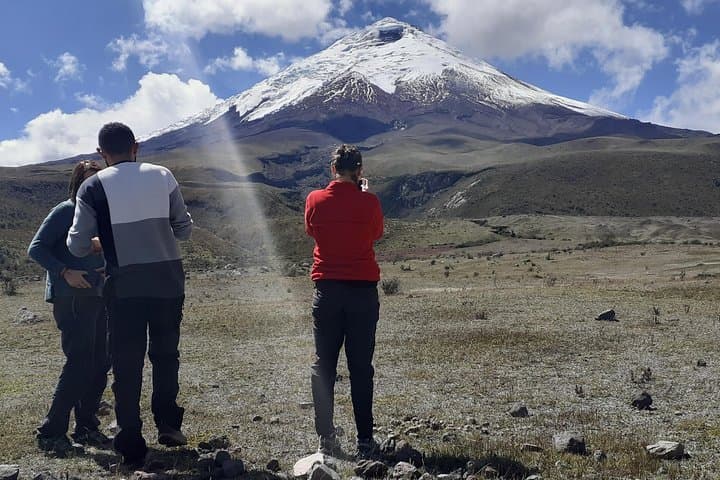
The road climbs out of Quito and the air thins; a gray cone rises and seems to dare you onward as the Andes swell around it. On day one the tour threads into Cotopaxi National Park, where the José Rivas refuge sits high at about 4,896 m and the trail continues toward glaciers near 5,000 m. By evening you trade wind-scoured ridgelines for a simple lodge and a hot meal.
Verified experiences and guided adventures in the surrounding area.
Operated by El Barak Ecuador Travel · Quito, Pichincha
The road climbs out of Quito and the air thins; a gray cone rises and seems to dare you onward as the Andes swell around it. On day one the tour threads into Cotopaxi National Park, where the José Rivas refuge sits high at about 4,896 m and the trail continues toward glaciers near 5,000 m. By evening you trade wind-scoured ridgelines for a simple lodge and a hot meal.
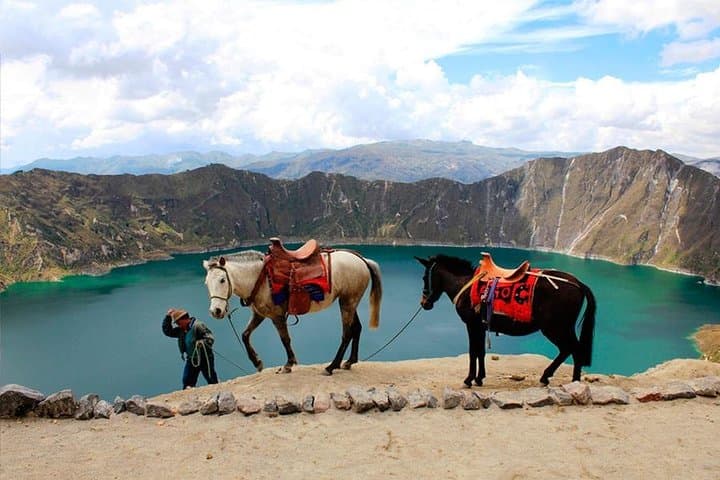
Cotopaxi is one of the world’s highest active stratovolcanoes (summit ~5,897 m); its glaciers carve sharp moraines and feed highland lagoons like Limpiopungo. Quilotoa, formed by a massive Holocene eruption, holds a vivid crater lake whose color shifts with light and mineral content. Both places are shaped by violent geology and long local stewardship—Andean communities around the Quilotoa rim keep traditional weavings and small-scale agriculture alive.
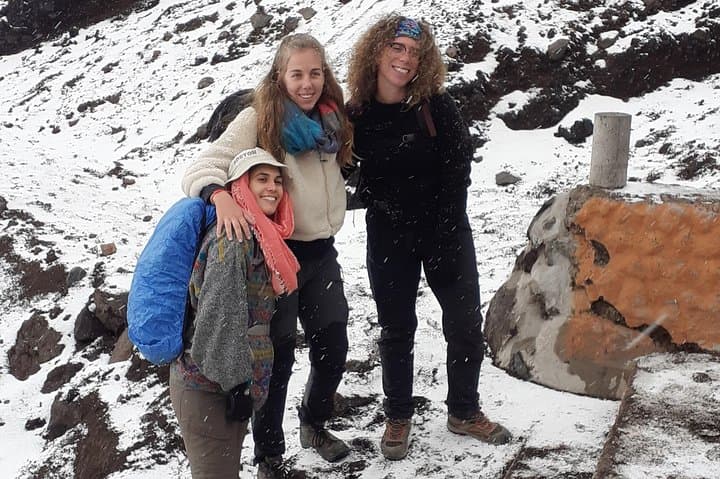
Expect thin air, volcanic gravel, and dramatic viewpoints. The itinerary mixes short hikes, cultural stops (indigenous houses and markets), and optional crater descents or kayaking on the Quilotoa shore. Guides manage logistics and altitude pacing, but travelers should move deliberately, hydrate, and watch for signs of altitude sickness. Footwear with good traction, layered insulation, sun protection, and some trekking experience make the trip smoother.
Timing matters: mornings are clearer for photos at Limpiopungo and the Quilotoa rim. Carry small bills for local craft stalls and plan for variable weather—the mountains change quickly and will reward patience with wide, raw vistas.
challenging.
2 days.
Good aerobic fitness; able to hike for 2–5 hours at altitude and tolerate steep, rocky descents and ascents.
No technical climbing is required for the Rivas refuge visit and glacier viewpoints included on this tour, but the altitude and uneven terrain require good fitness and stable footing.
The tour reaches near 5,000 m; many travelers feel mild symptoms (headache, breathlessness). Pre-acclimatization, hydration, and informing guides of symptoms are essential—guides can adjust plans if needed.
Park access and the itinerary’s visits are arranged by the operator; confirm specific entrance fees or activity add-ons (like kayaking) at booking.
Accommodations are lodges such as Hosteria Papagayo or Chuquiragua Lodge (or similar), offering basic but comfortable rooms, hot meals, and a chance to rest before the next day’s early start.
Cotopaxi and Quilotoa have shaped local life for centuries; Quilotoa’s eruption collapsed its cone and created the caldera that holds today’s crater lake, while Cotopaxi’s eruptions influenced settlement patterns in the highlands.
Both sites are within managed areas where visitor impact is monitored; stick to trails, pack out waste, and buy local to support community conservation and livelihoods.
El Barak Ecuador Travel operates guided outdoor trips and adventures with an emphasis on safety, stewardship, and memorable experiences.
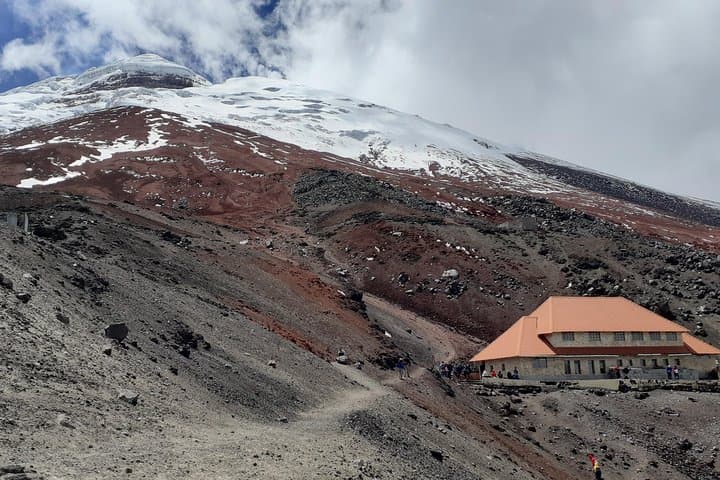
The road climbs out of Quito and the air thins; a gray cone rises and seems to dare you onward as the Andes swell around it. On day one the tour threads into Cotopaxi National Park, where the José Rivas refuge sits high at about 4,896 m and the trail continues toward glaciers near 5,000 m. By evening you trade wind-scoured ridgelines for a simple lodge and a hot meal.
The road climbs out of Quito and the air thins; a gray cone rises and seems to dare you onward as the Andes swell around it. On day one the tour threads into Cotopaxi National Park, where the José Rivas refuge sits high at about 4,896 m and the trail continues toward glaciers near 5,000 m. By evening you trade wind-scoured ridgelines for a simple lodge and a hot meal.
Cotopaxi is one of the world’s highest active stratovolcanoes (summit ~5,897 m); its glaciers carve sharp moraines and feed highland lagoons like Limpiopungo. Quilotoa, formed by a massive Holocene eruption, holds a vivid crater lake whose color shifts with light and mineral content. Both places are shaped by violent geology and long local stewardship—Andean communities around the Quilotoa rim keep traditional weavings and small-scale agriculture alive.
Expect thin air, volcanic gravel, and dramatic viewpoints. The itinerary mixes short hikes, cultural stops (indigenous houses and markets), and optional crater descents or kayaking on the Quilotoa shore. Guides manage logistics and altitude pacing, but travelers should move deliberately, hydrate, and watch for signs of altitude sickness. Footwear with good traction, layered insulation, sun protection, and some trekking experience make the trip smoother.
Timing matters: mornings are clearer for photos at Limpiopungo and the Quilotoa rim. Carry small bills for local craft stalls and plan for variable weather—the mountains change quickly and will reward patience with wide, raw vistas.