THE ADVENTURE COLLECTIVE® · Independent discovery and booking for outdoor travel

Cover two of Ecuador’s most dramatic highland sights in a single day: stand beneath Cotopaxi’s icy cone, cross páramo ridgelines and peer into Quilotoa’s jewel-toned crater lake. This full-day tour mixes short hikes, cultural stops and panoramic photo opportunities.
Cover two of Ecuador’s most dramatic highland sights in a single day: stand beneath Cotopaxi’s icy cone, cross páramo ridgelines and peer into Quilotoa’s jewel-toned crater lake. This full-day tour mixes short hikes, cultural stops and panoramic photo opportunities.
A thin Andean light slides across volcanic shoulders as the van breaks away from Quito, and the Avenue of the Volcanoes unfurls ahead — Cotopaxi rising like a raw column of rock and ice, Quilotoa hiding its green-blue bowl beyond a serrated ridge. The day moves with altitude and exposure: high páramo grasslands that sway under wind, black volcanic scree, and the sudden stillness of a crater lake whose color seems to collect the sky.
Verified experiences and guided adventures in the surrounding area.
Operated by Real Dreams Tour · Quito, Pichincha
A thin Andean light slides across volcanic shoulders as the van breaks away from Quito, and the Avenue of the Volcanoes unfurls ahead — Cotopaxi rising like a raw column of rock and ice, Quilotoa hiding its green-blue bowl beyond a serrated ridge. The day moves with altitude and exposure: high páramo grasslands that sway under wind, black volcanic scree, and the sudden stillness of a crater lake whose color seems to collect the sky.
Geology here is blunt and recent: Cotopaxi is an active stratovolcano reaching about 5,897 m, sculpted by lahar and glacier; Quilotoa is a 3,914 m caldera filled after a massive eruption centuries ago. Cultural threads run close — Panzaleo-descended villages like Zumbahua and Tigua preserve textile and painted-wood traditions passed down from the Inca era, visible in markets and roadside ateliers.
Expect a mix of short walks and photo stops rather than long summit climbs; guides usually include a páramo stroll at Cotopaxi and an optional hike down to Quilotoa’s rim and shore. Weather shifts fast — wind, sun, or rain can arrive within an hour — and altitude is the real variable shaping exertion and acclimatization.
Practical guidance: wear layered clothing, bring sun protection, hydrate early and often, and allow the guide to set the pace. If you have limited time in Ecuador, this compressed route delivers volcanic geology, highland culture, and dramatic views in a single, full mountain day.
moderate.
9–10 hours.
Able to manage a long day at altitude with short hikes (up to 2 hours of walking); basic stamina required.
Cotopaxi’s summit is about 5,897 m while Quilotoa’s rim sits near 3,914 m; many travelers feel mild altitude effects—headache, breathlessness—so acclimatize in Quito and hydrate.
Most itineraries include an optional descent to the crater rim and a steeper hike down to the lake floor; it adds effort and time but is optional for those who prefer to stay at the rim.
Expect roughly 1.5 hours to Cotopaxi and 2–2.5 hours more to Quilotoa depending on traffic and stops; the full circuit is a long day of travel and exploration.
Yes—both sites are accessible for most ages for short walks; however, those with cardiovascular issues or pregnancy are advised against high-altitude exertion.
The corridor links Inca-era trade routes and Panzaleo indigenous communities—today villages continue textile and ceramic crafts that reflect pre-Columbian patterns.
Respect páramo vegetation by staying on trails and packing out waste; these high-elevation ecosystems recover slowly from disturbance.
Real Dreams Tour operates guided outdoor trips and adventures with an emphasis on safety, stewardship, and memorable experiences.
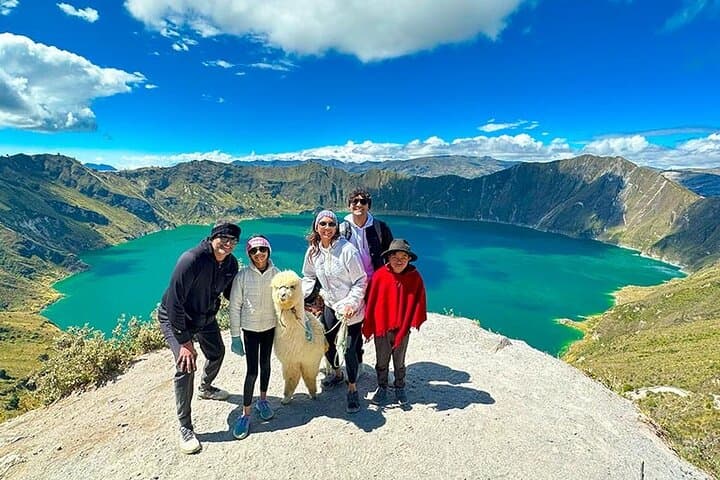
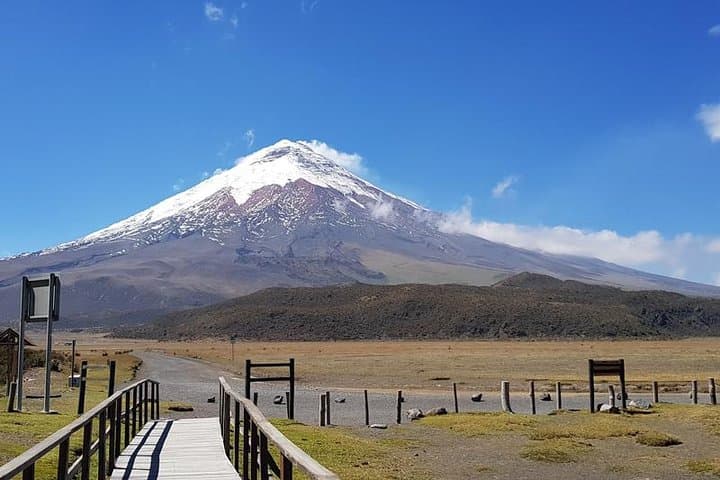
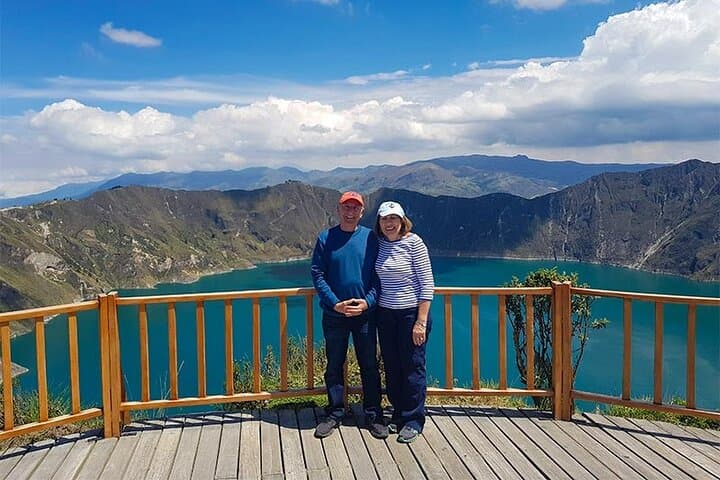
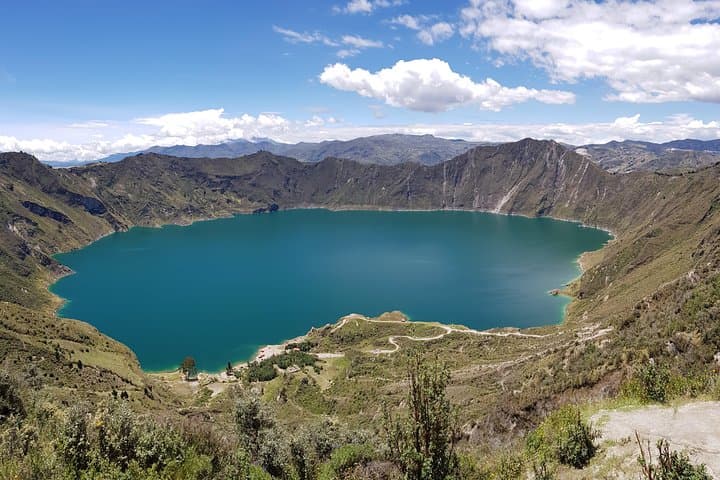
A thin Andean light slides across volcanic shoulders as the van breaks away from Quito, and the Avenue of the Volcanoes unfurls ahead — Cotopaxi rising like a raw column of rock and ice, Quilotoa hiding its green-blue bowl beyond a serrated ridge. The day moves with altitude and exposure: high páramo grasslands that sway under wind, black volcanic scree, and the sudden stillness of a crater lake whose color seems to collect the sky.
A thin Andean light slides across volcanic shoulders as the van breaks away from Quito, and the Avenue of the Volcanoes unfurls ahead — Cotopaxi rising like a raw column of rock and ice, Quilotoa hiding its green-blue bowl beyond a serrated ridge. The day moves with altitude and exposure: high páramo grasslands that sway under wind, black volcanic scree, and the sudden stillness of a crater lake whose color seems to collect the sky.
Geology here is blunt and recent: Cotopaxi is an active stratovolcano reaching about 5,897 m, sculpted by lahar and glacier; Quilotoa is a 3,914 m caldera filled after a massive eruption centuries ago. Cultural threads run close — Panzaleo-descended villages like Zumbahua and Tigua preserve textile and painted-wood traditions passed down from the Inca era, visible in markets and roadside ateliers.
Expect a mix of short walks and photo stops rather than long summit climbs; guides usually include a páramo stroll at Cotopaxi and an optional hike down to Quilotoa’s rim and shore. Weather shifts fast — wind, sun, or rain can arrive within an hour — and altitude is the real variable shaping exertion and acclimatization.
Practical guidance: wear layered clothing, bring sun protection, hydrate early and often, and allow the guide to set the pace. If you have limited time in Ecuador, this compressed route delivers volcanic geology, highland culture, and dramatic views in a single, full mountain day.