THE ADVENTURE COLLECTIVE® · Independent discovery and booking for outdoor travel

A compact 2-day circuit from Quito that pairs Cotopaxi’s volcanic slopes with the turquoise rim of Quilotoa and the high, wind-swept approaches to Chimborazo. Ideal for travelers who want dramatic Andean scenery without technical climbing.
A compact 2-day circuit from Quito that pairs Cotopaxi’s volcanic slopes with the turquoise rim of Quilotoa and the high, wind-swept approaches to Chimborazo. Ideal for travelers who want dramatic Andean scenery without technical climbing.
The road out of Quito climbs into a thin, silver air; wind tugs at jackets and the silhouette of Cotopaxi appears — a near-perfect cone keeping watch over the high páramo. On day one you skirt Limpiopungo’s quiet lagoon, where horses pick at tussock grass and Andean gulls trace the shoreline, then stand at the rim of Quilotoa where the crater lake shouts turquoise against volcanic rock.
Verified experiences and guided adventures in the surrounding area.
Operated by Quito Trip · Quito, Pichincha
The road out of Quito climbs into a thin, silver air; wind tugs at jackets and the silhouette of Cotopaxi appears — a near-perfect cone keeping watch over the high páramo. On day one you skirt Limpiopungo’s quiet lagoon, where horses pick at tussock grass and Andean gulls trace the shoreline, then stand at the rim of Quilotoa where the crater lake shouts turquoise against volcanic rock.
These landscapes are products of relentless geology: Cotopaxi and Chimborazo are volcanic and tectonic actors on the Andean stage. Quilotoa is a collapsed caldera whose waters collect rain and mineral runoff to form its vivid color. Chimborazo’s claim to fame is not height in sea-level terms but the equatorial bulge that places its summit farther from Earth’s center than any other mountain.
Culturally the route crosses rural highlands where Quechua-speaking communities farm potatoes and weave wool, and where roadside markets sell toasted corn and mote. Lodging on this tour is simple hacienda-style comfort; meals focus on hearty Andean fare that helps recover from altitude.
Practically: expect short to moderate walks—crater rim hikes and high-altitude trail sections—over two days with vehicle transfers. Altitude, not technical difficulty, is the main challenge: move slowly, hydrate, and avoid heavy exertion on the first day. Pack layered clothing, sun protection, and a small daypack for water and snacks. Guides handle permits and park entries, letting you focus on the view — but also on breathing, step by deliberate step.
moderate.
2 days.
Basic cardiovascular fitness recommended; ability to walk 2–4 miles over uneven terrain at altitude.
Hikes are short to moderate (rim walks and high-altitude trails) and non-technical; the main challenge is altitude rather than steep or technical terrain.
It’s recommended to spend at least a day in Quito or lower altitude before the tour; guides will moderate activity, but symptoms of altitude sickness can still occur.
Cotopaxi National Park and Quilotoa sit around 3,800–4,800 m, and approaches to Chimborazo reach high páramo elevations; expect thin air and colder temperatures.
Yes—entrance fees to Cotopaxi, Quilotoa, and Chimborazo are included, as are two lunches and one night’s lodging as described in the itinerary.
These volcanic peaks have long been part of Andean life and lore; indigenous communities around Quilotoa and Chimborazo practiced highland agriculture and weaving for centuries.
Cotopaxi and Chimborazo are protected reserves with regulated access; stick to trails, carry out waste, and follow guides to minimize impact.
Quito Trip operates guided outdoor trips and adventures with an emphasis on safety, stewardship, and memorable experiences.
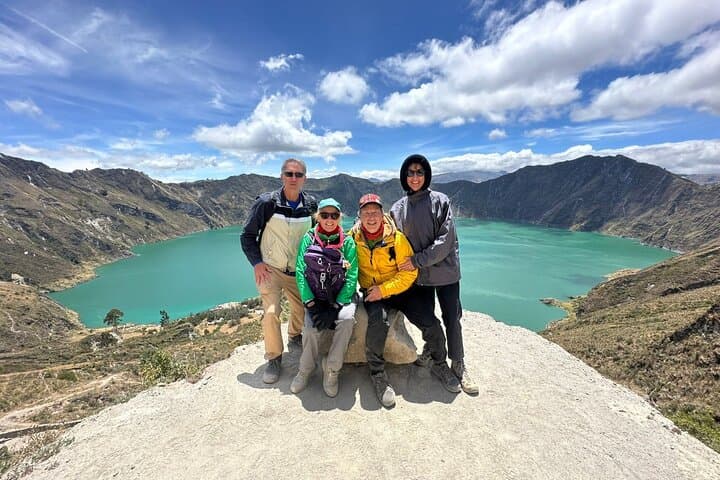
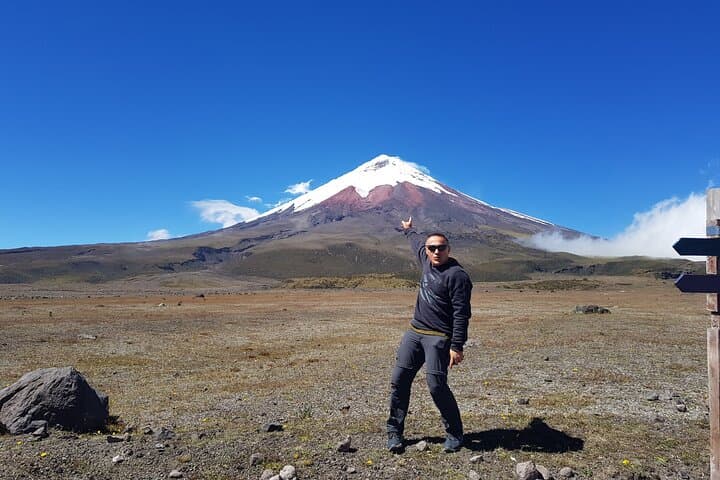
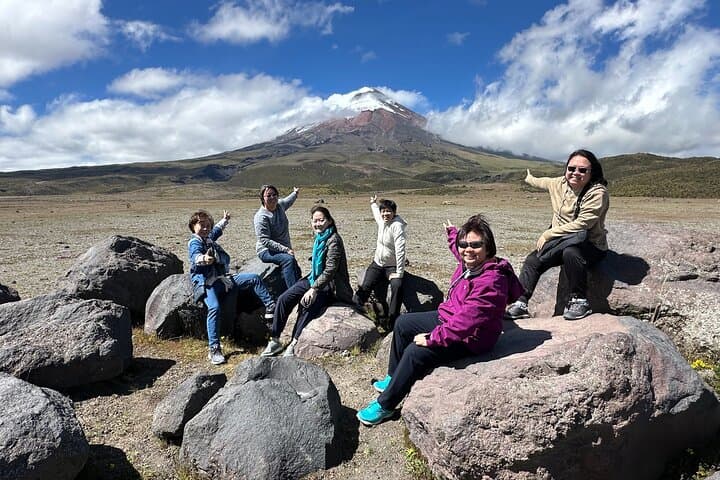

The road out of Quito climbs into a thin, silver air; wind tugs at jackets and the silhouette of Cotopaxi appears — a near-perfect cone keeping watch over the high páramo. On day one you skirt Limpiopungo’s quiet lagoon, where horses pick at tussock grass and Andean gulls trace the shoreline, then stand at the rim of Quilotoa where the crater lake shouts turquoise against volcanic rock.
The road out of Quito climbs into a thin, silver air; wind tugs at jackets and the silhouette of Cotopaxi appears — a near-perfect cone keeping watch over the high páramo. On day one you skirt Limpiopungo’s quiet lagoon, where horses pick at tussock grass and Andean gulls trace the shoreline, then stand at the rim of Quilotoa where the crater lake shouts turquoise against volcanic rock.
These landscapes are products of relentless geology: Cotopaxi and Chimborazo are volcanic and tectonic actors on the Andean stage. Quilotoa is a collapsed caldera whose waters collect rain and mineral runoff to form its vivid color. Chimborazo’s claim to fame is not height in sea-level terms but the equatorial bulge that places its summit farther from Earth’s center than any other mountain.
Culturally the route crosses rural highlands where Quechua-speaking communities farm potatoes and weave wool, and where roadside markets sell toasted corn and mote. Lodging on this tour is simple hacienda-style comfort; meals focus on hearty Andean fare that helps recover from altitude.
Practically: expect short to moderate walks—crater rim hikes and high-altitude trail sections—over two days with vehicle transfers. Altitude, not technical difficulty, is the main challenge: move slowly, hydrate, and avoid heavy exertion on the first day. Pack layered clothing, sun protection, and a small daypack for water and snacks. Guides handle permits and park entries, letting you focus on the view — but also on breathing, step by deliberate step.