THE ADVENTURE COLLECTIVE® · Independent discovery and booking for outdoor travel

Two days of high-altitude scenery and Andean culture: climb toward the José Rivas refuge on Cotopaxi, descend into Quilotoa’s crater lagoon, visit indigenous markets, and sample local handicrafts. This guided tour balances geology, hiking, and cultural stops with one overnight stay.
Two days of high-altitude scenery and Andean culture: climb toward the José Rivas refuge on Cotopaxi, descend into Quilotoa’s crater lagoon, visit indigenous markets, and sample local handicrafts. This guided tour balances geology, hiking, and cultural stops with one overnight stay.
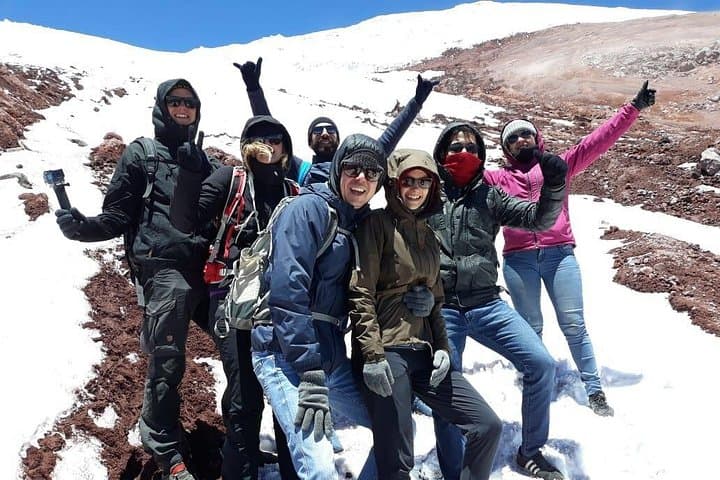
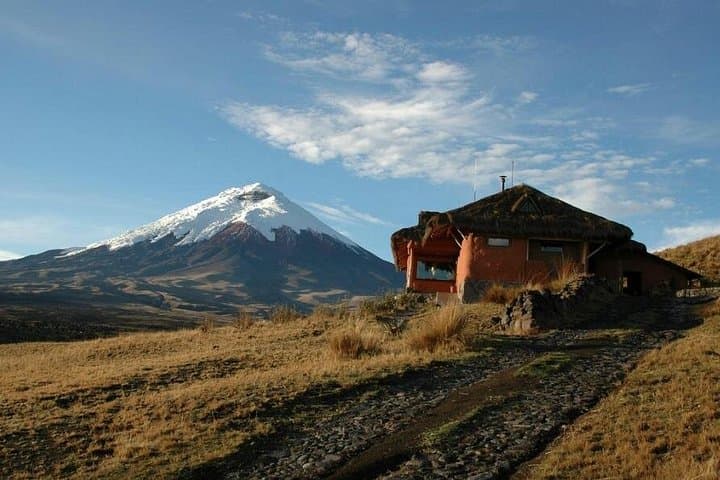
Morning at the high páramo arrives cold and clear: breath sharp, boots crunching on pumice, and Cotopaxi’s cone rising like a weathered column against an Andean sky. The first day’s climb pushes toward the José Rivas refuge at about 4,800 m, where wind and thin air shape every step and the land feels alive with volcanic memory.
Verified experiences and guided adventures in the surrounding area.
Operated by Ecosportour - Tour Operator · Quito, Pichincha
Morning at the high páramo arrives cold and clear: breath sharp, boots crunching on pumice, and Cotopaxi’s cone rising like a weathered column against an Andean sky. The first day’s climb pushes toward the José Rivas refuge at about 4,800 m, where wind and thin air shape every step and the land feels alive with volcanic memory.
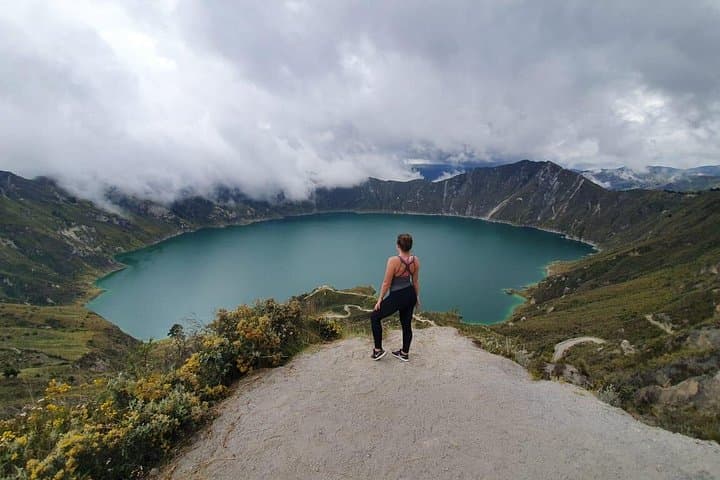
Cotopaxi is one of the highest active volcanoes in the world; its glaciated slopes and ash fields tell of eruptions that have shaped local life for centuries. Quilotoa, by contrast, is a collapsed caldera whose emerald lagoon fills a volcanic bowl created by a major eruption roughly 800 years ago. The route threads indigenous market towns—Saquisilí or Pujilí—and stops at Tigua, where painters keep Andean storytelling alive through vibrant canvas work.
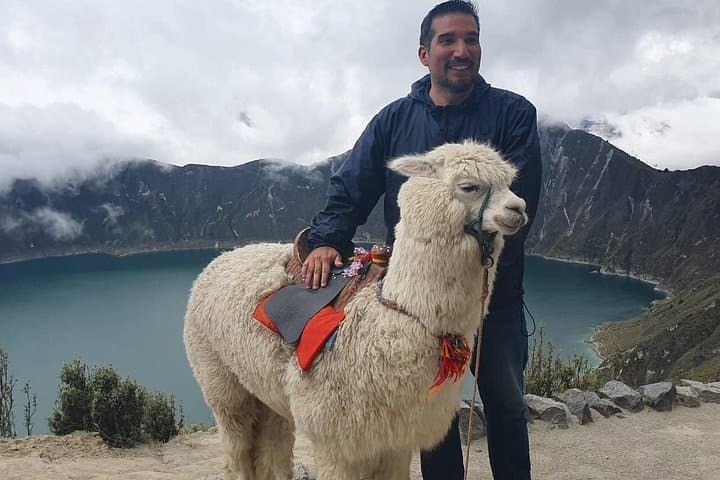
Expect rocky volcanic trails, short steep pitches, and strong sun at altitude. Guides explain geology, flora, and fauna while offering choices: hike to the refuge, optional bike descents to Lake Limpiopungo, and a 45-minute, 200 m descent into Quilotoa’s crater with time on the rim or the lagoon (kayak available for a fee).
Practical edge: acclimatize in Quito before departure, pack layers and a windproof shell, and carry cash for local markets and optional mule or kayak rentals. Start times are early—transport is in air-conditioned vehicles—and the tour includes one night’s accommodation, meals as listed, and certified guides. This is an accessible, high-altitude adventure that rewards preparation with expansive Andean views and cultural encounters.
moderate.
2 days.
Moderate fitness recommended — able to hike several hours at high altitude and manage short steep sections.
No — the itinerary reaches the José Rivas refuge (~4,800 m). Summit attempts require additional permits, technical gear and acclimatization beyond this tour.
The descent to the lagoon is about 45 minutes and 200 m down on loose volcanic trail; it’s steep but short—mules are available for the ascent if preferred.
The tour includes one night’s accommodation, breakfast and two lunches as listed; optional services like kayaking at Quilotoa are extra and require cash.
Yes — symptoms can appear above 2,500 m; take it slow, hydrate, avoid alcohol, and notify your guide if you feel headache, nausea or dizziness.
Cotopaxi is a historically active volcano central to Andean communities; Quilotoa’s caldera was formed by a violent eruption centuries ago and later became a cultural and trade landmark for indigenous highland groups.
Both sites are in protected areas—stay on marked trails, pack out waste, and support local guides and artisans to promote sustainable tourism.
Ecosportour - Tour Operator operates guided outdoor trips and adventures with an emphasis on safety, stewardship, and memorable experiences.
Morning at the high páramo arrives cold and clear: breath sharp, boots crunching on pumice, and Cotopaxi’s cone rising like a weathered column against an Andean sky. The first day’s climb pushes toward the José Rivas refuge at about 4,800 m, where wind and thin air shape every step and the land feels alive with volcanic memory.
Morning at the high páramo arrives cold and clear: breath sharp, boots crunching on pumice, and Cotopaxi’s cone rising like a weathered column against an Andean sky. The first day’s climb pushes toward the José Rivas refuge at about 4,800 m, where wind and thin air shape every step and the land feels alive with volcanic memory.
Cotopaxi is one of the highest active volcanoes in the world; its glaciated slopes and ash fields tell of eruptions that have shaped local life for centuries. Quilotoa, by contrast, is a collapsed caldera whose emerald lagoon fills a volcanic bowl created by a major eruption roughly 800 years ago. The route threads indigenous market towns—Saquisilí or Pujilí—and stops at Tigua, where painters keep Andean storytelling alive through vibrant canvas work.
Expect rocky volcanic trails, short steep pitches, and strong sun at altitude. Guides explain geology, flora, and fauna while offering choices: hike to the refuge, optional bike descents to Lake Limpiopungo, and a 45-minute, 200 m descent into Quilotoa’s crater with time on the rim or the lagoon (kayak available for a fee).
Practical edge: acclimatize in Quito before departure, pack layers and a windproof shell, and carry cash for local markets and optional mule or kayak rentals. Start times are early—transport is in air-conditioned vehicles—and the tour includes one night’s accommodation, meals as listed, and certified guides. This is an accessible, high-altitude adventure that rewards preparation with expansive Andean views and cultural encounters.