THE ADVENTURE COLLECTIVE® · Independent discovery and booking for outdoor travel

Ride through Andean grasslands and hike to the José Rivas refuge on Cotopaxi’s northern flank. This full-day trip pairs a high-altitude trek with a scenic two‑hour horseback ride and a hacienda lunch.
Ride through Andean grasslands and hike to the José Rivas refuge on Cotopaxi’s northern flank. This full-day trip pairs a high-altitude trek with a scenic two‑hour horseback ride and a hacienda lunch.
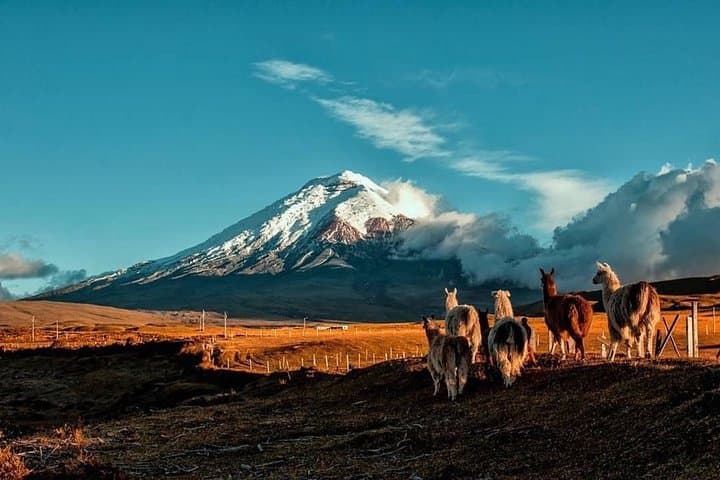
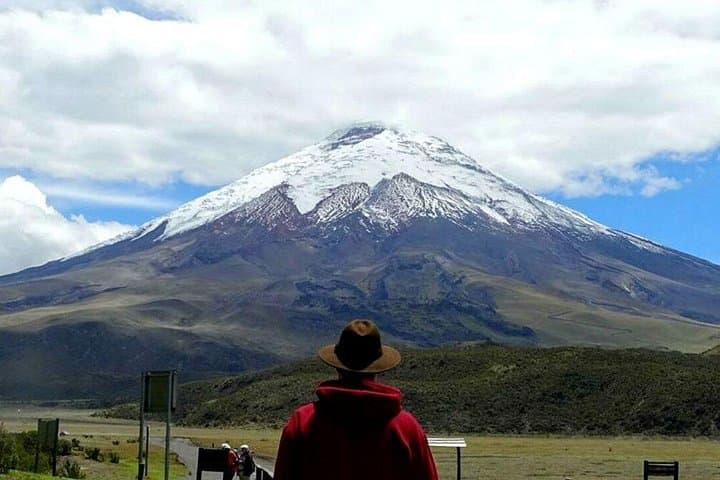
You step out of the minivan into thin air and the mountain answers — wind pressing across the high páramo, the cone of Cotopaxi watching like a slow-moving clock. The trail climbs from grassland into scree; the horses wait with patient breaths as you tighten your jacket and move toward José Rivas refuge at about 4,800 m (15,744 ft).
Verified experiences and guided adventures in the surrounding area.
Operated by Takiri Travel · Latacunga, Cotopaxi
You step out of the minivan into thin air and the mountain answers — wind pressing across the high páramo, the cone of Cotopaxi watching like a slow-moving clock. The trail climbs from grassland into scree; the horses wait with patient breaths as you tighten your jacket and move toward José Rivas refuge at about 4,800 m (15,744 ft).
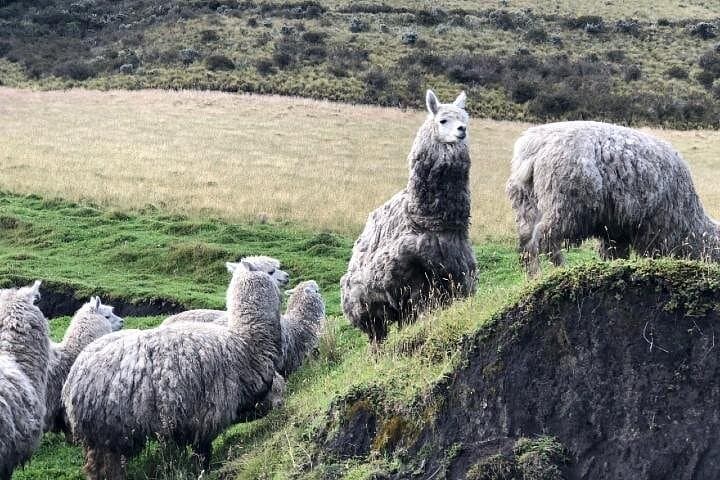
Cotopaxi is one of the highest active stratovolcanoes in the world and a landmark in Ecuadorian highland history, a place that shaped Inca routes and later colonial hacienda life. Geologically, the volcano’s ash and andesite slopes carve dramatic ridgelines; the surrounding páramo is a sponge-like ecosystem that feeds Andean lakes and creeks. Culturally, the route passes grazing fields and old stone fences that mark generations of mountain farming.
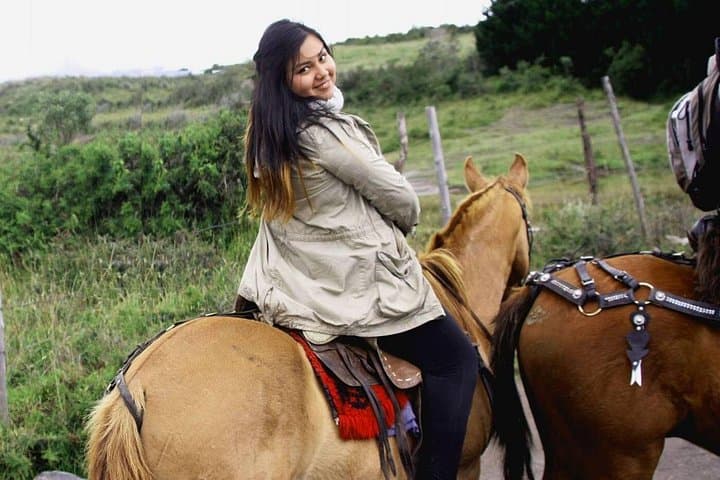
Practical guidance: plan for altitude more than technical difficulty. The hike to José Rivas is steep in places and short on oxygen — allow time to acclimatize in Quito or the high valley first. Expect mixed terrain: dirt tracks, tussock grass, and rocky approaches; the horseback segment (about two hours) follows softer trails through open highlands and is beginner-friendly but requires basic balance.
Timing matters: mornings deliver the best visibility before afternoon cloud build-up. Bring layered insulation, sun protection, and 2–3 liters of water; poles help on the descent. Guides provide transport, lunch at a hacienda, and English/Spanish interpretation, making this a full-day, high-altitude introduction to Cotopaxi’s raw landscape.
challenging.
8–10 hours.
Good cardiovascular fitness and experience with sustained uphill hiking at altitude; able to ride a horse for about two hours.
Minimum age is 5; children should be comfortable on a horse and able to tolerate high-altitude conditions.
No advanced skills required—basic balance and following the guide’s instructions are sufficient; guides tailor pace to the group.
Guides monitor symptoms, keep groups paced, provide water and rest, and will evacuate to lower elevation if symptoms escalate; consult your doctor before travel if you have respiratory or cardiovascular issues.
Yes—pickup and drop-off in Quito are included; a small surcharge may apply for pickups from airport-area or valley locations.
Cotopaxi has been a landmark for indigenous routes and colonial haciendas; its periodic eruptions have shaped local settlement and agriculture for centuries.
Cotopaxi is a protected national park with fragile páramo; stick to trails, avoid disturbing water sources, and pack out all waste to reduce erosion and habitat impact.
Takiri Travel operates guided outdoor trips and adventures with an emphasis on safety, stewardship, and memorable experiences.
You step out of the minivan into thin air and the mountain answers — wind pressing across the high páramo, the cone of Cotopaxi watching like a slow-moving clock. The trail climbs from grassland into scree; the horses wait with patient breaths as you tighten your jacket and move toward José Rivas refuge at about 4,800 m (15,744 ft).
You step out of the minivan into thin air and the mountain answers — wind pressing across the high páramo, the cone of Cotopaxi watching like a slow-moving clock. The trail climbs from grassland into scree; the horses wait with patient breaths as you tighten your jacket and move toward José Rivas refuge at about 4,800 m (15,744 ft).
Cotopaxi is one of the highest active stratovolcanoes in the world and a landmark in Ecuadorian highland history, a place that shaped Inca routes and later colonial hacienda life. Geologically, the volcano’s ash and andesite slopes carve dramatic ridgelines; the surrounding páramo is a sponge-like ecosystem that feeds Andean lakes and creeks. Culturally, the route passes grazing fields and old stone fences that mark generations of mountain farming.
Practical guidance: plan for altitude more than technical difficulty. The hike to José Rivas is steep in places and short on oxygen — allow time to acclimatize in Quito or the high valley first. Expect mixed terrain: dirt tracks, tussock grass, and rocky approaches; the horseback segment (about two hours) follows softer trails through open highlands and is beginner-friendly but requires basic balance.
Timing matters: mornings deliver the best visibility before afternoon cloud build-up. Bring layered insulation, sun protection, and 2–3 liters of water; poles help on the descent. Guides provide transport, lunch at a hacienda, and English/Spanish interpretation, making this a full-day, high-altitude introduction to Cotopaxi’s raw landscape.