THE ADVENTURE COLLECTIVE® · Independent discovery and booking for outdoor travel

Ascend from a 4,600m car park to Cotopaxi’s refuge at 4,864m on an intense day tour from Quito. Expect loose volcanic scree, high-altitude wind, and reflective lagoon views—ideal for fit hikers prepared for altitude.
Ascend from a 4,600m car park to Cotopaxi’s refuge at 4,864m on an intense day tour from Quito. Expect loose volcanic scree, high-altitude wind, and reflective lagoon views—ideal for fit hikers prepared for altitude.
A cold wind cuts across the páramo as you step from the minivan at the 4,600m car park, the cone of Cotopaxi rising like a pale, patient judge above a ring of tussock grass. The air is thin and bright; each breath requires intent. Over the next few hours the landscape shifts from pumice-strewn tracks to loose sandy scree beneath cramponless boots as the trail climbs roughly 360–400m to the refuge at 4,864m.
Verified experiences and guided adventures in the surrounding area.
Operated by CarpeDM Adventures · Latacunga, Cotopaxi Province
A cold wind cuts across the páramo as you step from the minivan at the 4,600m car park, the cone of Cotopaxi rising like a pale, patient judge above a ring of tussock grass. The air is thin and bright; each breath requires intent. Over the next few hours the landscape shifts from pumice-strewn tracks to loose sandy scree beneath cramponless boots as the trail climbs roughly 360–400m to the refuge at 4,864m.
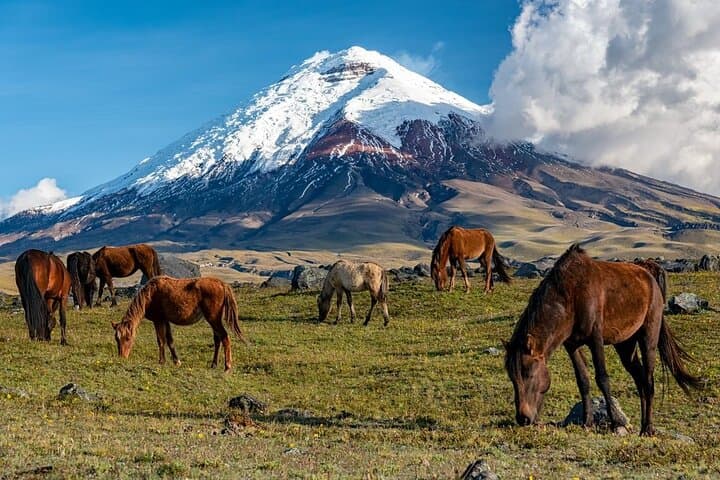
Cotopaxi is one of the world’s highest active volcanoes, its recent eruptions leaving layers of ash and pumice that shape the park’s soil and watercourses. The area sits on volcanic highlands shaped by glacial action and repeated eruptions; Limpiapungo lagoon—formed by melt and runoff—offers a mirror to nearby peaks and a snapshot of Andean birdlife and grazing wild horses. Indigenous and colonial histories overlap here: indigenous communities historically moved cattle and cultivated lower páramo terraces, while 19th-century explorers mapped the dramatic cone for scientific study.
On the hike you’ll meet the mountain on its own terms: wind that pushes, scree that resists, and skies that clear suddenly to reveal distant summits. Guides focus on pacing and acclimatization; the route is short but severe because of altitude. You’ll get a concise interpretive stop at the Mariscal Sucre center and time at Limpiapungo lagoon for birding and lunch.
Practical guidance: prepare for rapid weather swings—layers, sun protection, and extra water are non-negotiable. Expect an 8-hour day with repeated short, steep sections on loose volcanic material; basic high-altitude hiking experience and a steady aerobic base will make the climb safer and more enjoyable.
challenging.
8 hours.
Should have good aerobic fitness (regular cardio, ability to hike on steep terrain) and prior exposure to high altitude if possible.
The hike gains roughly 360–400m over loose volcanic scree and becomes physically demanding due to the altitude; it’s short in distance but challenging in effort.
No—this day tour reaches the refuge only and does not require technical mountaineering gear or crampons, but sturdy boots and trekking poles are useful.
Most people can join if they’re in good general health, but it’s not recommended for those with serious heart or respiratory conditions or for pregnant travelers due to the high altitude.
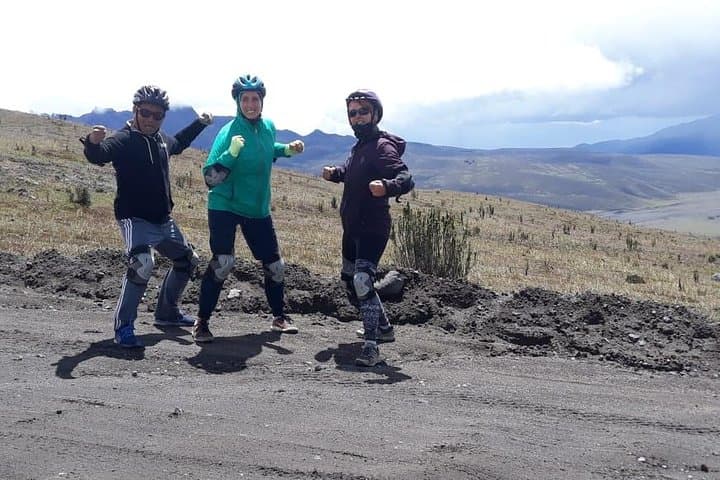
Some operators offer cycling descents but they require advanced handling skills and are not included in the standard hike; confirm with the provider and only attempt if experienced.
Cotopaxi has been active throughout recorded history and played a role in Andean indigenous culture and colonial-era exploration; its eruptions shaped local settlement and grazing patterns.
Cotopaxi National Park manages visitor access to protect fragile páramo vegetation and water sources; stay on trails, pack out waste, and avoid disturbing wildlife to minimize impact.
CarpeDM Adventures operates guided outdoor trips and adventures with an emphasis on safety, stewardship, and memorable experiences.
A cold wind cuts across the páramo as you step from the minivan at the 4,600m car park, the cone of Cotopaxi rising like a pale, patient judge above a ring of tussock grass. The air is thin and bright; each breath requires intent. Over the next few hours the landscape shifts from pumice-strewn tracks to loose sandy scree beneath cramponless boots as the trail climbs roughly 360–400m to the refuge at 4,864m.
A cold wind cuts across the páramo as you step from the minivan at the 4,600m car park, the cone of Cotopaxi rising like a pale, patient judge above a ring of tussock grass. The air is thin and bright; each breath requires intent. Over the next few hours the landscape shifts from pumice-strewn tracks to loose sandy scree beneath cramponless boots as the trail climbs roughly 360–400m to the refuge at 4,864m.
Cotopaxi is one of the world’s highest active volcanoes, its recent eruptions leaving layers of ash and pumice that shape the park’s soil and watercourses. The area sits on volcanic highlands shaped by glacial action and repeated eruptions; Limpiapungo lagoon—formed by melt and runoff—offers a mirror to nearby peaks and a snapshot of Andean birdlife and grazing wild horses. Indigenous and colonial histories overlap here: indigenous communities historically moved cattle and cultivated lower páramo terraces, while 19th-century explorers mapped the dramatic cone for scientific study.
On the hike you’ll meet the mountain on its own terms: wind that pushes, scree that resists, and skies that clear suddenly to reveal distant summits. Guides focus on pacing and acclimatization; the route is short but severe because of altitude. You’ll get a concise interpretive stop at the Mariscal Sucre center and time at Limpiapungo lagoon for birding and lunch.
Practical guidance: prepare for rapid weather swings—layers, sun protection, and extra water are non-negotiable. Expect an 8-hour day with repeated short, steep sections on loose volcanic material; basic high-altitude hiking experience and a steady aerobic base will make the climb safer and more enjoyable.