THE ADVENTURE COLLECTIVE® · Independent discovery and booking for outdoor travel

A two‑day guided climb to Cotopaxi’s 5,897 m summit that combines glacier travel, alpine shelter nights, and expert guides. Expect technical terrain, early starts, and the stark grandeur of one of Ecuador’s highest active volcanoes.
A two‑day guided climb to Cotopaxi’s 5,897 m summit that combines glacier travel, alpine shelter nights, and expert guides. Expect technical terrain, early starts, and the stark grandeur of one of Ecuador’s highest active volcanoes.
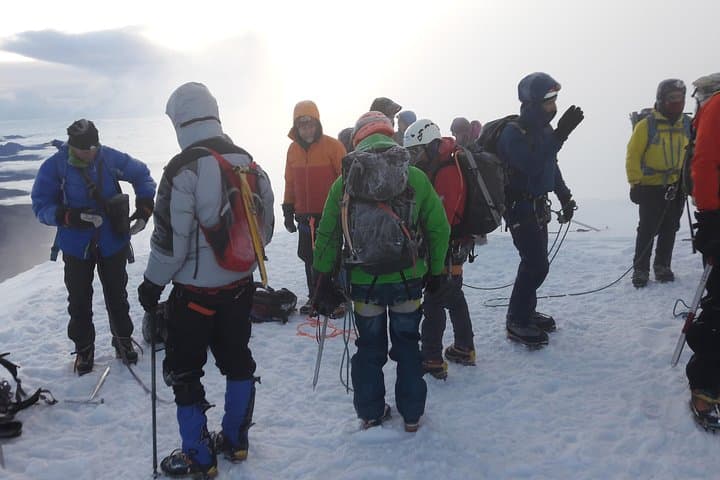
A cold wind cuts across the high plain as headlamps pick out the serrated ridge of Cotopaxi, the cone rising above the páramo like a challenge. On night one you cross wind-scoured trails to a refuge beneath the volcano, the sky wide and bone-bright; on the summit push you trade breath for steady rhythm as crampons bite thin ice and the world compresses into one step after another.
Verified experiences and guided adventures in the surrounding area.
Operated by HAT TRAVEL · Latacunga, Cotopaxi Province
A cold wind cuts across the high plain as headlamps pick out the serrated ridge of Cotopaxi, the cone rising above the páramo like a challenge. On night one you cross wind-scoured trails to a refuge beneath the volcano, the sky wide and bone-bright; on the summit push you trade breath for steady rhythm as crampons bite thin ice and the world compresses into one step after another.
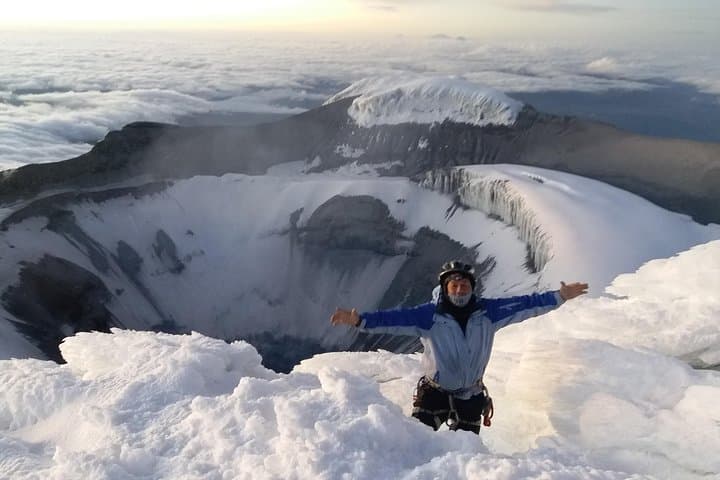
Cotopaxi is one of the world’s highest active volcanoes, its symmetrical ash cone built on layers of andesite and pyroclastic flow. The surrounding Cotopaxi National Park preserves volcanic landscapes, glacial cirques, and the grazing fields of Andean communities; local traditions tie the mountain to agricultural calendars and mountain stewardship. Geologically young and periodically active, Cotopaxi’s glaciers have been retreating for decades, exposing moraine and rock.
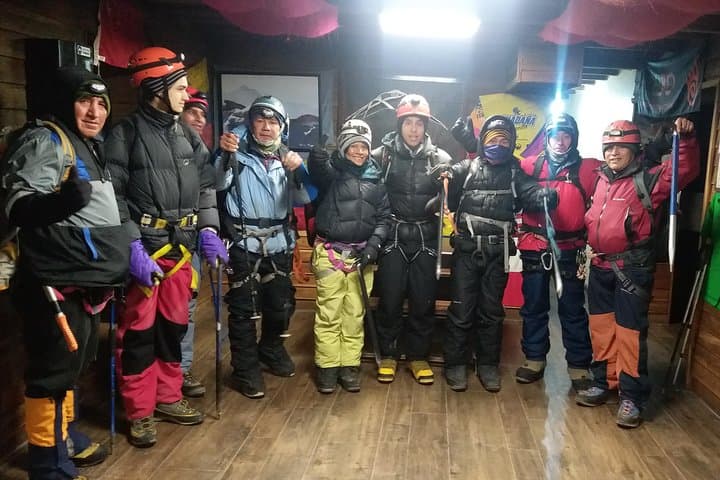
Practically, the ascent is a technical, high‑altitude climb: expect long nights, glacier travel, and quickly changing weather. Guides here work in small teams (often one guide per two clients) and provide high‑mountain equipment; prior crampon/ice‑axe experience is recommended. Acclimatize in Latacunga or Quito for at least 48–72 hours, hydrate, and plan for early summit starts to avoid afternoon wind. Sturdy mountaineering boots, layered insulation, and a reliable headlamp are essential. If you have cardiovascular or spinal concerns, this route is not recommended. Emergency evacuation options are limited; travel insurance that covers high‑altitude rescue is strongly advised.
The climb rewards with a raw, expansive panorama of the Ecuadorian Andes—sharp, demanding, and elemental.
difficult.
2 days (≈48 hours).
High‑altitude fitness required—good cardiovascular conditioning, endurance for sustained uphill glacier travel, and experience with long nights.
Typical itinerary is two days: approach and overnight at the refuge, followed by an early‑morning summit push; total active time varies with conditions but expect long overnight effort (6–12 hours for the summit leg).
Yes—previous glacier or winter mountain experience is strongly recommended. Basic crampon and ice‑axe proficiency are expected; guides can coach but not replace prior experience.
The summit is 5,897 meters (19,347 ft). Acclimatization in Quito or Latacunga for 48–72 hours is advised to reduce acute mountain sickness risk.
Evacuation is possible but limited by remote alpine access and weather. Comprehensive travel insurance covering high‑altitude rescue is recommended.
Indigenous communities have long regarded Cotopaxi as an important landmark tied to agricultural cycles; the park was established to protect volcanic and high‑Andean ecosystems.
Glacial retreat and visitor impact are ongoing concerns—stay on trails, pack out waste, and follow guide instructions to minimize erosion and disturbance.
HAT TRAVEL operates guided outdoor trips and adventures with an emphasis on safety, stewardship, and memorable experiences.

A cold wind cuts across the high plain as headlamps pick out the serrated ridge of Cotopaxi, the cone rising above the páramo like a challenge. On night one you cross wind-scoured trails to a refuge beneath the volcano, the sky wide and bone-bright; on the summit push you trade breath for steady rhythm as crampons bite thin ice and the world compresses into one step after another.
A cold wind cuts across the high plain as headlamps pick out the serrated ridge of Cotopaxi, the cone rising above the páramo like a challenge. On night one you cross wind-scoured trails to a refuge beneath the volcano, the sky wide and bone-bright; on the summit push you trade breath for steady rhythm as crampons bite thin ice and the world compresses into one step after another.
Cotopaxi is one of the world’s highest active volcanoes, its symmetrical ash cone built on layers of andesite and pyroclastic flow. The surrounding Cotopaxi National Park preserves volcanic landscapes, glacial cirques, and the grazing fields of Andean communities; local traditions tie the mountain to agricultural calendars and mountain stewardship. Geologically young and periodically active, Cotopaxi’s glaciers have been retreating for decades, exposing moraine and rock.
Practically, the ascent is a technical, high‑altitude climb: expect long nights, glacier travel, and quickly changing weather. Guides here work in small teams (often one guide per two clients) and provide high‑mountain equipment; prior crampon/ice‑axe experience is recommended. Acclimatize in Latacunga or Quito for at least 48–72 hours, hydrate, and plan for early summit starts to avoid afternoon wind. Sturdy mountaineering boots, layered insulation, and a reliable headlamp are essential. If you have cardiovascular or spinal concerns, this route is not recommended. Emergency evacuation options are limited; travel insurance that covers high‑altitude rescue is strongly advised.
The climb rewards with a raw, expansive panorama of the Ecuadorian Andes—sharp, demanding, and elemental.