THE ADVENTURE COLLECTIVE® · Independent discovery and booking for outdoor travel

Combine two iconic Andean experiences in one high-altitude day: interpretive walks at Cotopaxi National Park and a rim-view of Quilotoa’s turquoise crater lake. Expect dramatic geology, quick climate shifts, and gentle hikes suited to most travelers.
Combine two iconic Andean experiences in one high-altitude day: interpretive walks at Cotopaxi National Park and a rim-view of Quilotoa’s turquoise crater lake. Expect dramatic geology, quick climate shifts, and gentle hikes suited to most travelers.
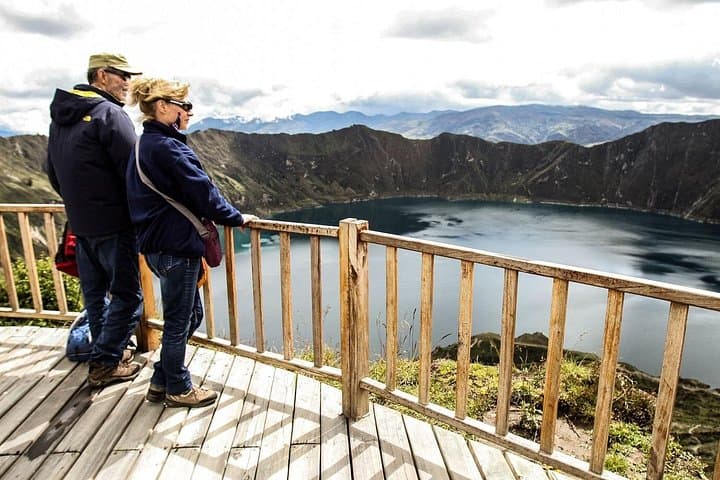
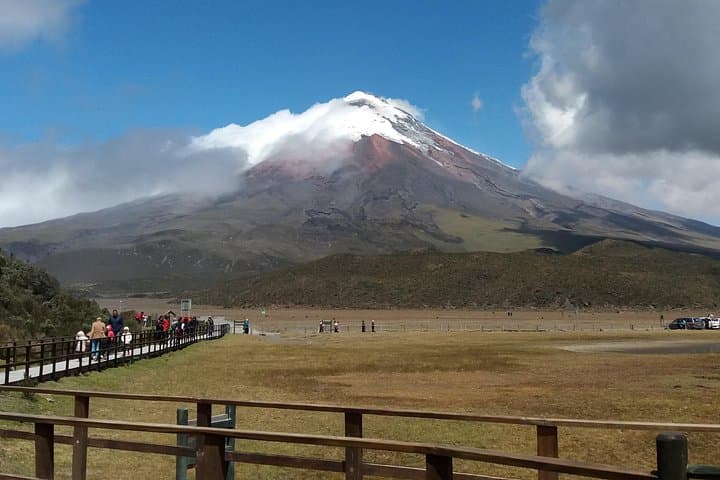
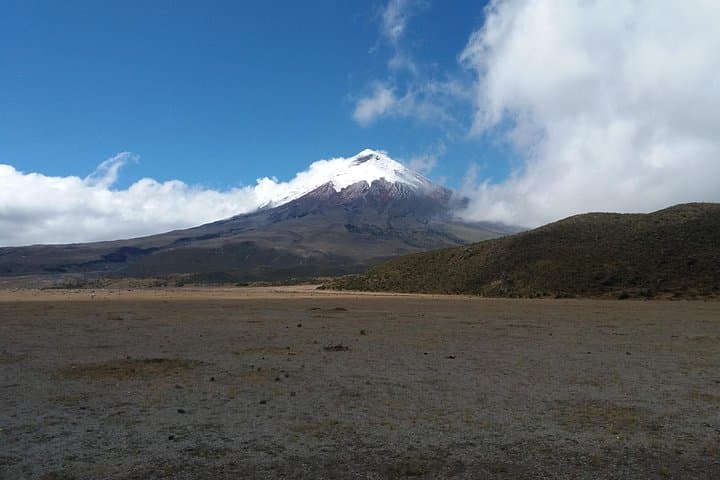
Morning light cuts across the Avenue of the Volcanoes as the van climbs from Quito, and the Andes begin to speak in ridgelines and steam. The Cotopaxi cone looms first — an elegant, ice-capped figure that can feel like a living clock, its fumaroles and glaciers reminding you this mountain still has a pulse. Later the trail drops to the rim of Quilotoa, where the crater lake holds a turquoise hush that seems to push back the sky.
Verified experiences and guided adventures in the surrounding area.
Operated by OVERLAND ADVENTURE · Quito, Pichincha
Morning light cuts across the Avenue of the Volcanoes as the van climbs from Quito, and the Andes begin to speak in ridgelines and steam. The Cotopaxi cone looms first — an elegant, ice-capped figure that can feel like a living clock, its fumaroles and glaciers reminding you this mountain still has a pulse. Later the trail drops to the rim of Quilotoa, where the crater lake holds a turquoise hush that seems to push back the sky.
Cotopaxi is a stratovolcano whose eruptions and glaciers have shaped páramo soils and trails used for centuries by Andean communities. Quilotoa’s lake occupies a collapsed caldera from a massive eruptive event; its chemistry and color are the legacy of volcanic minerals and light. Both sites intersect indigenous culture: Tigua artists paint Andean life in vivid pigments, and local villages keep highland traditions alive.
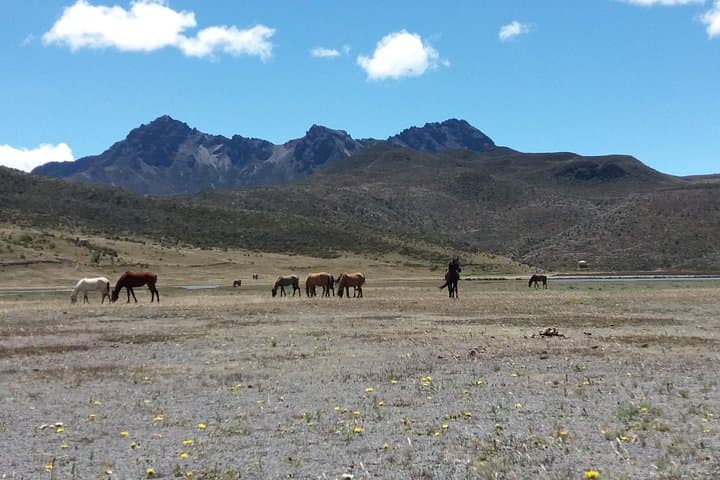
Expect a day of contrasts — high, wind-buffed alpine at Cotopaxi with short interpretive walks around Limpiopungo, then a bright, steep rimwalk at Quilotoa with panoramic crater views. Weather changes fast: sun, wind, and possible drizzle compete for minutes.
Practical guidance: start early from Quito to maximize clear skies, bring layers and sun protection, and allow time for altitude acclimatization — the itinerary includes gentle, short hikes rather than technical climbs. Facilities are basic at viewpoints; carry water and snacks. Guides handle transport and entries, but travelers should be prepared for bumpy roads and several stops. This one-day pairing delivers volcanic geology, Andean culture, and manageable hiking in a single, full day of high-altitude adventure.
moderate.
10–11 hours.
Suitable for travelers in reasonable health who can handle short uphill walks at altitude; some stamina required for rim descents and returns.
The full-day tour runs about 11 hours and typically includes transport, bilingual guide, and site entries to Cotopaxi and Quilotoa as listed by the operator.
No technical or long hikes are required—expect short interpretive walks (30–120 minutes total at each site) with some uphill stretches on crater rims.
Yes; both sites sit above 3,000 m (Cotopaxi higher). Acclimatize in Quito, hydrate, avoid alcohol before the tour, and inform guides of any issues immediately.
Basic facilities and small food stops are available, but services at viewpoints are limited—carry water and snacks for the day.
These landscapes have been shaped by repeated volcanic events and centuries of Andean cultural life; Cotopaxi has been a sacred mountain in local cosmology and Quilotoa’s caldera is a dramatic remnant of a major eruption.
Both sites are subject to conservation measures—stay on trails, carry out waste, and support local guides and communities to minimize visitor impact.
OVERLAND ADVENTURE operates guided outdoor trips and adventures with an emphasis on safety, stewardship, and memorable experiences.
Morning light cuts across the Avenue of the Volcanoes as the van climbs from Quito, and the Andes begin to speak in ridgelines and steam. The Cotopaxi cone looms first — an elegant, ice-capped figure that can feel like a living clock, its fumaroles and glaciers reminding you this mountain still has a pulse. Later the trail drops to the rim of Quilotoa, where the crater lake holds a turquoise hush that seems to push back the sky.
Morning light cuts across the Avenue of the Volcanoes as the van climbs from Quito, and the Andes begin to speak in ridgelines and steam. The Cotopaxi cone looms first — an elegant, ice-capped figure that can feel like a living clock, its fumaroles and glaciers reminding you this mountain still has a pulse. Later the trail drops to the rim of Quilotoa, where the crater lake holds a turquoise hush that seems to push back the sky.
Cotopaxi is a stratovolcano whose eruptions and glaciers have shaped páramo soils and trails used for centuries by Andean communities. Quilotoa’s lake occupies a collapsed caldera from a massive eruptive event; its chemistry and color are the legacy of volcanic minerals and light. Both sites intersect indigenous culture: Tigua artists paint Andean life in vivid pigments, and local villages keep highland traditions alive.
Expect a day of contrasts — high, wind-buffed alpine at Cotopaxi with short interpretive walks around Limpiopungo, then a bright, steep rimwalk at Quilotoa with panoramic crater views. Weather changes fast: sun, wind, and possible drizzle compete for minutes.
Practical guidance: start early from Quito to maximize clear skies, bring layers and sun protection, and allow time for altitude acclimatization — the itinerary includes gentle, short hikes rather than technical climbs. Facilities are basic at viewpoints; carry water and snacks. Guides handle transport and entries, but travelers should be prepared for bumpy roads and several stops. This one-day pairing delivers volcanic geology, Andean culture, and manageable hiking in a single, full day of high-altitude adventure.