THE ADVENTURE COLLECTIVE® · Independent discovery and booking for outdoor travel

Spend four hours exploring finger reefs and swim-throughs off Costa Maya with two guided dives on the Mesoamerican Barrier Reef. Ideal for certified open-water divers seeking healthy coral, turtles, rays and abundant tropical fish.
Spend four hours exploring finger reefs and swim-throughs off Costa Maya with two guided dives on the Mesoamerican Barrier Reef. Ideal for certified open-water divers seeking healthy coral, turtles, rays and abundant tropical fish.
Salt spray stings the eyes as the small dive skiff slips away from Mahahual’s sunlit pier. Within minutes the coast narrows into bands of blue and green, and the engine’s thrum becomes background to a breath-hold of expectation. The reef appears not as a wall but as a folded landscape—finger formations, canyons and swim-throughs that invite a second look beneath the surface.
Verified experiences and guided adventures in the surrounding area.
Operated by Doctor Dive Costa Maya · Mahahual, Quintana Roo
Salt spray stings the eyes as the small dive skiff slips away from Mahahual’s sunlit pier. Within minutes the coast narrows into bands of blue and green, and the engine’s thrum becomes background to a breath-hold of expectation. The reef appears not as a wall but as a folded landscape—finger formations, canyons and swim-throughs that invite a second look beneath the surface.
The dives run on the edge of the Mesoamerican Barrier Reef, the largest barrier reef in the Northern Hemisphere. Geologically, this reef is a living architecture of plate and cactus corals built on ancient carbonate platforms; culturally, the coastline still hums with the rhythms of a fishing town that opened to tourism in recent decades. Local dive operators tie modern safety standards to long-standing coastal knowledge—current windows, sand channels and seasonal upwellings.
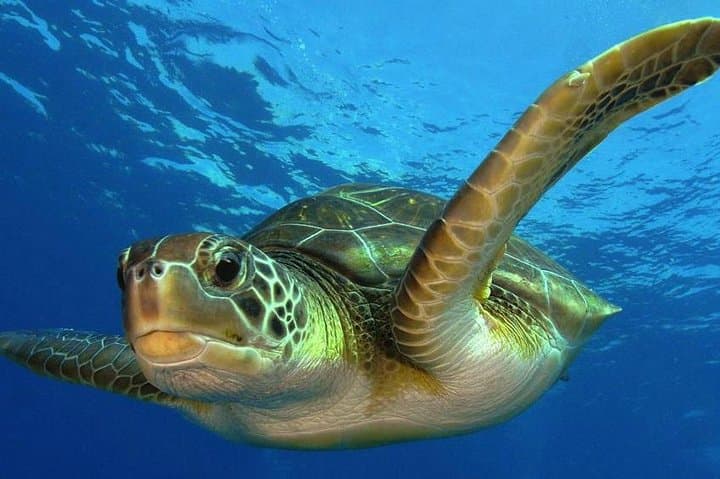
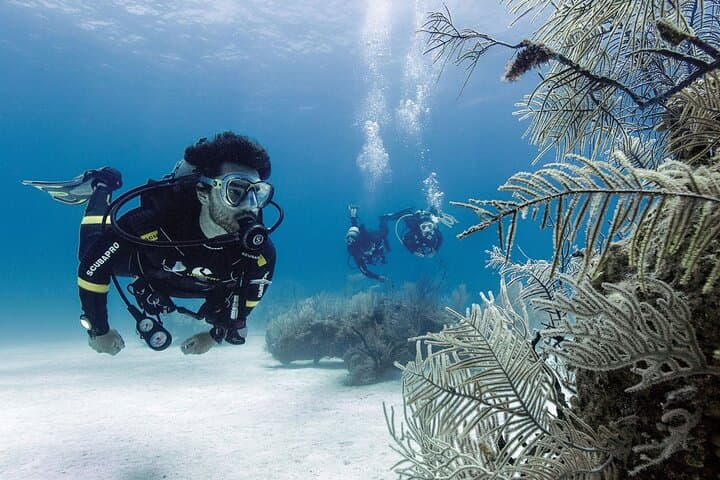
Expect two guided dives, typically from a small boat to nearby fringing reef features. Visibility in the Caribbean often ranges from 15–30 meters; water temperatures sit in the mid-20s to high-20s °C. Marine life is abundant—turtles cruising the drop-offs, rays riding channels, and schools of parrotfish and wrasse working the coral.
Practical notes: certified divers should bring their certification card and logbook, check for equipment rental fees (shop rental available), and plan for a 4-hour excursion including surface intervals. Equalize early on descents, monitor no-decompression limits, and use reef-safe sunscreen. Morning departures usually mean calmer seas and cleaner viz. This is straightforward, marine-rich diving for divers who want focused time on the Mesoamerican Reef’s finger canyons and coral gardens.
moderate.
4 hours.
Moderate fitness—able to carry kit, perform surface swims and clear masks; good lung comfort for repeated descents.
Yes—participants must present an open-water or higher certification card; operators may request recent dive logs for proof of experience.
Two guided dives, basic surface beverages, and guidance from experienced instructors; full scuba rental is usually available for an extra fee at the shop.
Sites vary—many finger-reef canyons range 10–30m; currents can be light to moderate, and guides choose sites based on conditions and group experience.
This specific two-tank offering is for certified divers only; beginners should look for introductory or discover-scuba experiences instead.
Mahahual grew from a fishing village into a small service town for reef exploration; the coastline sits along routes used by historic Mayan communities and modern Caribbean trade.
Sections of the reef are protected and monitored; divers should avoid touching coral, use reef-safe sunscreen, and follow local guidelines to minimize impact.
Doctor Dive Costa Maya operates guided outdoor trips and adventures with an emphasis on safety, stewardship, and memorable experiences.
Salt spray stings the eyes as the small dive skiff slips away from Mahahual’s sunlit pier. Within minutes the coast narrows into bands of blue and green, and the engine’s thrum becomes background to a breath-hold of expectation. The reef appears not as a wall but as a folded landscape—finger formations, canyons and swim-throughs that invite a second look beneath the surface.
Salt spray stings the eyes as the small dive skiff slips away from Mahahual’s sunlit pier. Within minutes the coast narrows into bands of blue and green, and the engine’s thrum becomes background to a breath-hold of expectation. The reef appears not as a wall but as a folded landscape—finger formations, canyons and swim-throughs that invite a second look beneath the surface.
The dives run on the edge of the Mesoamerican Barrier Reef, the largest barrier reef in the Northern Hemisphere. Geologically, this reef is a living architecture of plate and cactus corals built on ancient carbonate platforms; culturally, the coastline still hums with the rhythms of a fishing town that opened to tourism in recent decades. Local dive operators tie modern safety standards to long-standing coastal knowledge—current windows, sand channels and seasonal upwellings.
Expect two guided dives, typically from a small boat to nearby fringing reef features. Visibility in the Caribbean often ranges from 15–30 meters; water temperatures sit in the mid-20s to high-20s °C. Marine life is abundant—turtles cruising the drop-offs, rays riding channels, and schools of parrotfish and wrasse working the coral.
Practical notes: certified divers should bring their certification card and logbook, check for equipment rental fees (shop rental available), and plan for a 4-hour excursion including surface intervals. Equalize early on descents, monitor no-decompression limits, and use reef-safe sunscreen. Morning departures usually mean calmer seas and cleaner viz. This is straightforward, marine-rich diving for divers who want focused time on the Mesoamerican Reef’s finger canyons and coral gardens.