THE ADVENTURE COLLECTIVE® · Independent discovery and booking for outdoor travel

Dive the Costa Maya section of the Mesoamerican Barrier Reef on a guided 1-tank dive designed for certified divers. Expect finger reefs, swim-throughs and abundant tropical fish on a two-hour boat outing departing from Mahahual.
Dive the Costa Maya section of the Mesoamerican Barrier Reef on a guided 1-tank dive designed for certified divers. Expect finger reefs, swim-throughs and abundant tropical fish on a two-hour boat outing departing from Mahahual.
The boat slips from Mahahual's pier and the reef surface breaks into a mosaic of blues; the sea seems to pull you forward, promising canyons of coral and rooms where fish thread in and out like quicksilver. In water this clear, every breath becomes a metronome against a living wall of plate and cactus corals. Instructors brief briefly, then the ocean takes over—currents nudging, swim-throughs daring you to look deeper.
Verified experiences and guided adventures in the surrounding area.
Operated by Doctor Dive Costa Maya · Mahahual, Quintana Roo
The boat slips from Mahahual's pier and the reef surface breaks into a mosaic of blues; the sea seems to pull you forward, promising canyons of coral and rooms where fish thread in and out like quicksilver. In water this clear, every breath becomes a metronome against a living wall of plate and cactus corals. Instructors brief briefly, then the ocean takes over—currents nudging, swim-throughs daring you to look deeper.
This stretch of the Mesoamerican Barrier Reef is the largest in the Northern Hemisphere and formed over millennia by coral accretion and shifting currents. The coastline retains a working fishing village culture: the relaxed rhythm of Mahahual and its palapa-lined beaches grew around local seafood and small-boat traffic long before dive tourism arrived.
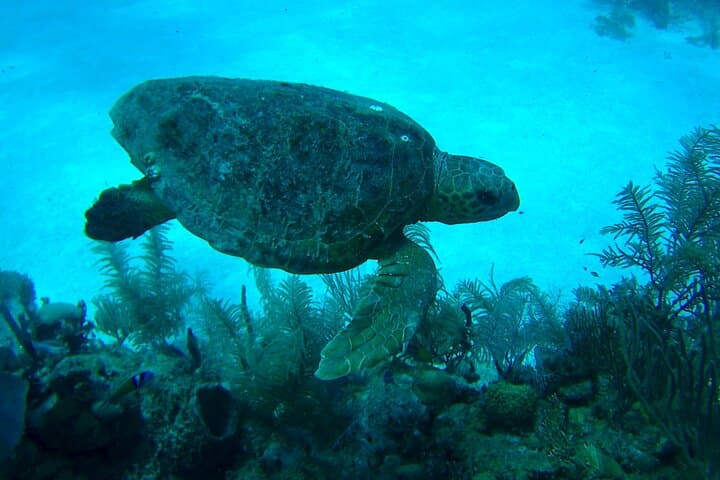
Expect finger reefs, narrow canyons and swim-throughs carved by water and time. Typical sightings include parrotfish scraping algae, curious hawksbills, and occasional manta or eagle rays. Visibility is usually excellent; thermoclines and seasonal plankton can change that.
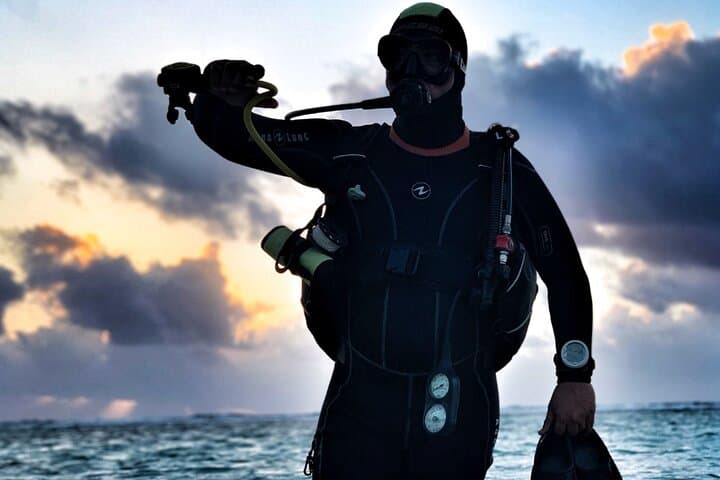
Practical guidance: this 1-tank excursion runs about two hours and requires current open-water certification. Arrive hydrated and rested; a quick pre-dive check with your instructor will set depth limits and hand signals. Rent full gear on-site if needed and bring your certification card—shops often enforce limits for safety. Dive early in the day for calmer seas and better light. Respect the reef: no touching, no stirring sediment, and use reef-safe sunscreen only. With sensible prep—proper weighting, conservative air planning, and an eye for marine etiquette—you'll leave with memories of coral canyons and a quiet respect for the reef's pace.
moderate.
2 hours.
Moderate fitness—able to swim and manage entry/exit from a small boat; comfortable with surface swims.
Yes — this excursion is for certified divers only; you must present your open-water certification card before boarding.
Most Costa Maya single-tank sites for this tour range from 12–30 meters (40–100 feet), with depth set by instructor and group experience.
Full scuba equipment rental is available at the shop (often quoted around $25 USD); reserve or confirm on booking.
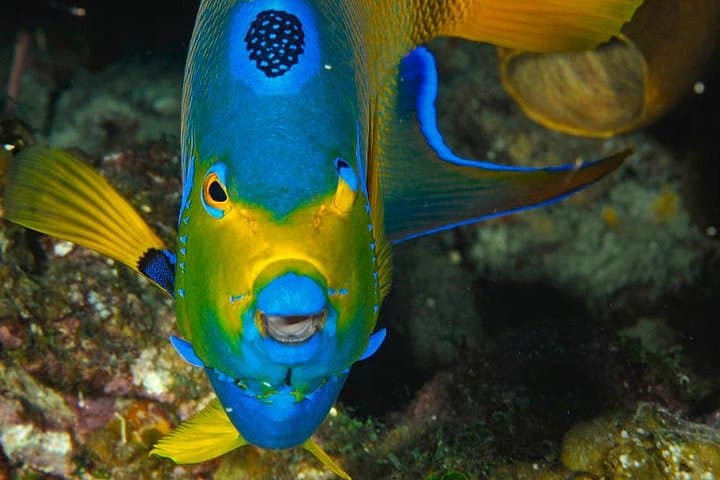
Expect reef fish like parrotfish, angelfish and wrasse, plus larger visitors such as hawksbill turtles, eagle rays, and occasionally manta rays or barracuda.
The reef here is part of the Mesoamerican Barrier Reef, shaped over thousands of years and bordered by small fishing communities like Mahahual that transitioned into dive gateways in recent decades.
The reef faces pressures from warming seas and local development; divers should practice low-impact techniques and use reef-safe sunscreen to limit damage.
Doctor Dive Costa Maya operates guided outdoor trips and adventures with an emphasis on safety, stewardship, and memorable experiences.

The boat slips from Mahahual's pier and the reef surface breaks into a mosaic of blues; the sea seems to pull you forward, promising canyons of coral and rooms where fish thread in and out like quicksilver. In water this clear, every breath becomes a metronome against a living wall of plate and cactus corals. Instructors brief briefly, then the ocean takes over—currents nudging, swim-throughs daring you to look deeper.
The boat slips from Mahahual's pier and the reef surface breaks into a mosaic of blues; the sea seems to pull you forward, promising canyons of coral and rooms where fish thread in and out like quicksilver. In water this clear, every breath becomes a metronome against a living wall of plate and cactus corals. Instructors brief briefly, then the ocean takes over—currents nudging, swim-throughs daring you to look deeper.
This stretch of the Mesoamerican Barrier Reef is the largest in the Northern Hemisphere and formed over millennia by coral accretion and shifting currents. The coastline retains a working fishing village culture: the relaxed rhythm of Mahahual and its palapa-lined beaches grew around local seafood and small-boat traffic long before dive tourism arrived.
Expect finger reefs, narrow canyons and swim-throughs carved by water and time. Typical sightings include parrotfish scraping algae, curious hawksbills, and occasional manta or eagle rays. Visibility is usually excellent; thermoclines and seasonal plankton can change that.
Practical guidance: this 1-tank excursion runs about two hours and requires current open-water certification. Arrive hydrated and rested; a quick pre-dive check with your instructor will set depth limits and hand signals. Rent full gear on-site if needed and bring your certification card—shops often enforce limits for safety. Dive early in the day for calmer seas and better light. Respect the reef: no touching, no stirring sediment, and use reef-safe sunscreen only. With sensible prep—proper weighting, conservative air planning, and an eye for marine etiquette—you'll leave with memories of coral canyons and a quiet respect for the reef's pace.