
Costa da Morte Day Tour: Finisterre, Muxía & Cascada del Ézaro from Santiago
A full-day coastal tour from Santiago that tracks the dramatic headlands, pilgrimage sites and a seawater-washed waterfall of Galicia's Costa da Morte. Expect short walks, lighthouse views, and time to sample fresh seafood in Finisterre.
An Adventure In Santiago de Compostela.
A full-day coastal tour from Santiago that tracks the dramatic headlands, pilgrimage sites and a seawater-washed waterfall of Galicia's Costa da Morte. Expect short walks, lighthouse views, and time to sample fresh seafood in Finisterre.
Read the full experience
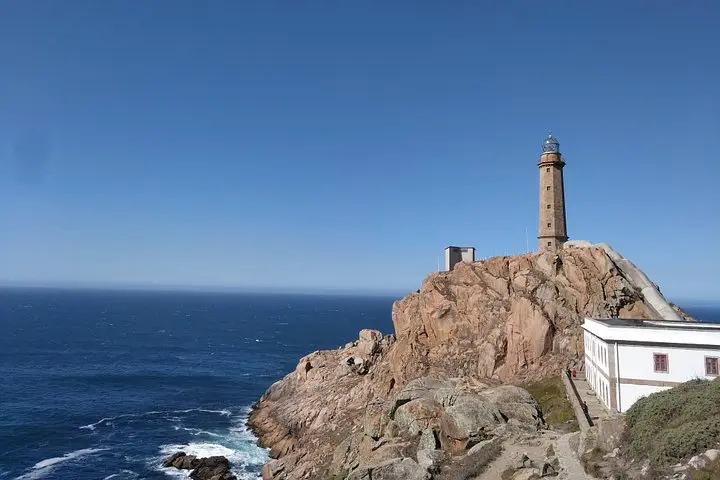
You step out of Santiago’s medieval stone and the bus slides west, the Atlantic wind already shaping the air—salt on the tongue, cliffs folding into the horizon. The Costa da Morte unfolds with abrupt granite headlands, battered lighthouses and fishing ports that still read the sea like a ledger.
You step out of Santiago’s medieval stone and the bus slides west, the Atlantic wind already shaping the air—salt on the tongue, cliffs folding into the horizon. The Costa da Morte unfolds with abrupt granite headlands, battered lighthouses and fishing ports that still read the sea like a ledger.
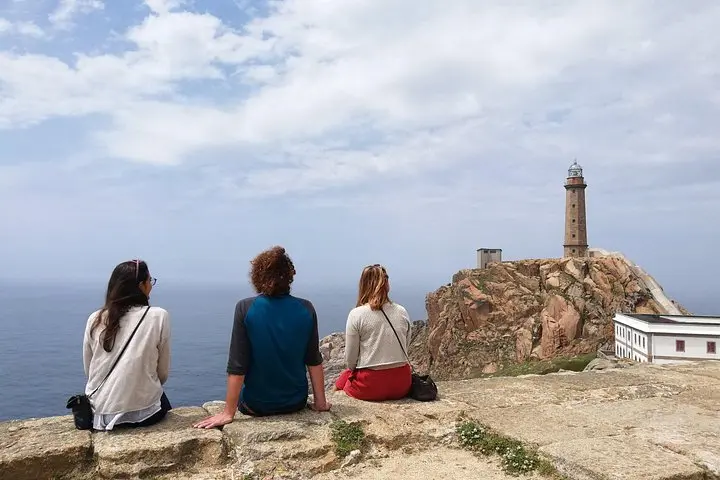
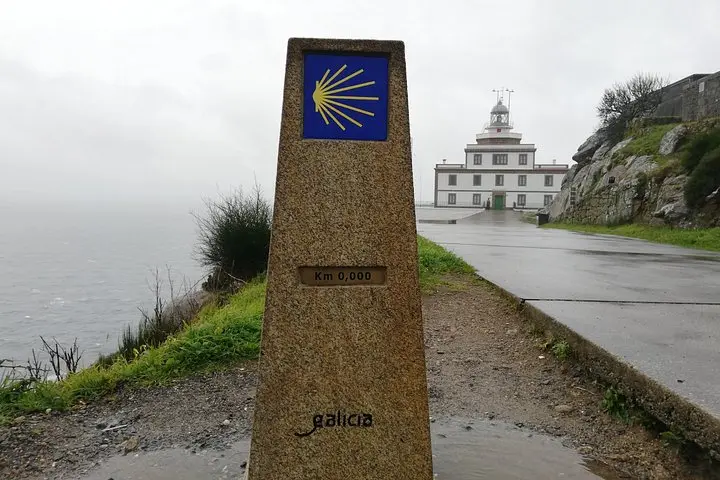
Geology here is blunt: Hercynian granite worn by relentless waves, producing flat platforms, offshore rocks and narrow coves. Cultural layers sit atop that rock—ancient maritime lore, small harbors like Finisterre and Muxía whose sanctuaries drew pilgrims and fishermen alike, and the Camino’s quiet extension to the lighthouse once called the world’s edge.
History and human use are visible at every stop: 14th-century bridges and medieval mills inland, the pilgrimage rituals at Fisterra, and Muxía’s Sanctuary of the Virgin of the Boat clinging to coastal stone. Cascada del Ézaro interrupts the coastline with a freshwater plunge, a rare European waterfall that literally drops into the estuary.
Practically, expect a full-day comfortable tour with three or four short walks, photo stops at headlands and time for seafood in Finisterre. Terrain ranges from cobbled alleys and coastal footpaths to short paved viewpoints—good walking shoes and a windproof layer matter more than mountaineering gear.
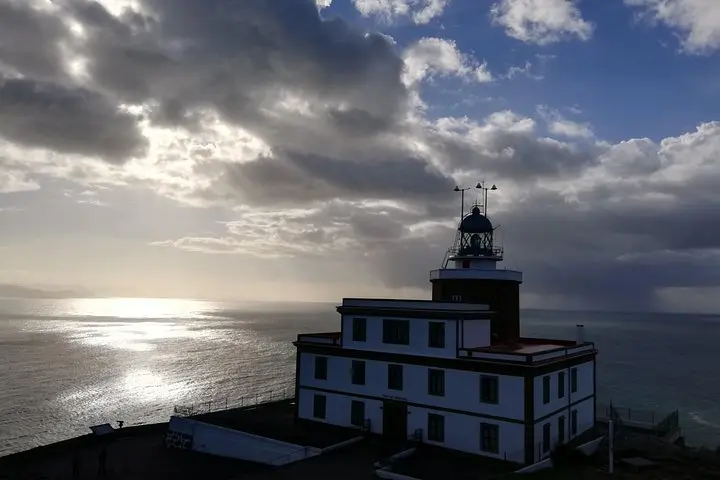
Plan for strong coastal winds, variable weather and bright reflections off wet rock. Hydrate, protect electronics from spray, and allow an hour to wander Finisterre’s fishing port—the lighthouse feels like punctuation after a day of dramatic lines and sea-driven motion.
Frequently asked questions
Yes—transport in an air-conditioned vehicle and a professional guide are included in the tour price.
No—there is free time in Finisterre and Muxía to buy local gastronomy; guides can recommend seafood options.
The operator notes stroller accessibility for short walks and village visits, but expect uneven cobbles in historic centers.
Full refund is available if cancelled at least 24 hours before departure; weather or insufficient travelers may also trigger cancellation.
About This Experience
Toxo Travel operates guided outdoor trips and adventures with an emphasis on safety, stewardship, and memorable experiences.
Adventure tips
Recommended gear
- Windproof waterproof jacket: Shields you from Atlantic gusts and spray during cliff and lighthouse stops.
- Sturdy walking shoes: Provides grip on cobbles, wet rock and short coastal trails.
- Daypack with water and snacks: Keeps hydration and spare layers accessible during walking stops and free time in Finisterre.
- Waterproof phone case or dry bag: Protects electronics from spray at viewpoints and the Cascada del Ézaro.
Photos of the experience
Related adventures & guides
Read the full experience
You step out of Santiago’s medieval stone and the bus slides west, the Atlantic wind already shaping the air—salt on the tongue, cliffs folding into the horizon. The Costa da Morte unfolds with abrupt granite headlands, battered lighthouses and fishing ports that still read the sea like a ledger.
You step out of Santiago’s medieval stone and the bus slides west, the Atlantic wind already shaping the air—salt on the tongue, cliffs folding into the horizon. The Costa da Morte unfolds with abrupt granite headlands, battered lighthouses and fishing ports that still read the sea like a ledger.
Geology here is blunt: Hercynian granite worn by relentless waves, producing flat platforms, offshore rocks and narrow coves. Cultural layers sit atop that rock—ancient maritime lore, small harbors like Finisterre and Muxía whose sanctuaries drew pilgrims and fishermen alike, and the Camino’s quiet extension to the lighthouse once called the world’s edge.
History and human use are visible at every stop: 14th-century bridges and medieval mills inland, the pilgrimage rituals at Fisterra, and Muxía’s Sanctuary of the Virgin of the Boat clinging to coastal stone. Cascada del Ézaro interrupts the coastline with a freshwater plunge, a rare European waterfall that literally drops into the estuary.
Practically, expect a full-day comfortable tour with three or four short walks, photo stops at headlands and time for seafood in Finisterre. Terrain ranges from cobbled alleys and coastal footpaths to short paved viewpoints—good walking shoes and a windproof layer matter more than mountaineering gear.
Plan for strong coastal winds, variable weather and bright reflections off wet rock. Hydrate, protect electronics from spray, and allow an hour to wander Finisterre’s fishing port—the lighthouse feels like punctuation after a day of dramatic lines and sea-driven motion.
Make a day of it nearby.
Verified experiences and guided adventures in the surrounding area.