THE ADVENTURE COLLECTIVE® · Independent discovery and booking for outdoor travel

Paddle rocky headlands, snorkel a protected marine area, and jump from coastal cliffs on a full-day Costa Brava outing from Barcelona. This guided trip blends accessible kayaking with prime underwater viewing and a local lunch.
Paddle rocky headlands, snorkel a protected marine area, and jump from coastal cliffs on a full-day Costa Brava outing from Barcelona. This guided trip blends accessible kayaking with prime underwater viewing and a local lunch.
You push off from a pebble-strewn cove as the Mediterranean pulls at the bow, cliffs rising like fractured limestone walls that have seen centuries of wind and tide. The sea here dares you forward—clear, cool, and full of color—while islands and hidden coves pass by like chapters in a maritime map.
Verified experiences and guided adventures in the surrounding area.
Operated by Catalands · L'Estartit, Catalonia
You push off from a pebble-strewn cove as the Mediterranean pulls at the bow, cliffs rising like fractured limestone walls that have seen centuries of wind and tide. The sea here dares you forward—clear, cool, and full of color—while islands and hidden coves pass by like chapters in a maritime map.
This stretch of the Costa Brava (meaning "rugged coast") owes its character to ancient marine terraces and Jurassic-era rock uplift. Fishing villages once relied on tuna and sardine runs; today small towns keep that nautical culture alive in simple bocadillos and boat-born traditions. The marine reserves off L'Estartit and nearby coves protect seagrass meadows and gorgonian fans, so snorkelers see more life than in unprotected zones.
Expect a balanced day: a 1.2–2 hour coastal transfer from Barcelona, a brief kayak lesson, a few hours paddling along rocky headlands, one or two guided snorkeling stops in protected water, and a local sandwich lunch. Terrain underfoot ranges from packed beach pebbles to sun-warmed rock ledges; water entries can be stepped or gentle back-rolls from a kayak. Swimming competency is required, and cliffs along the route invite optional jumps for confident swimmers.
Practical side: bring a swimsuit, water shoes, reef-safe sunscreen, and a dry bag. Hydrate before launch and leave valuables in the provided transport. Morning departures favor calmer water and clearer underwater visibility, while afternoons warm the air and the sand. For first-timers, follow guide briefings closely—the guides know current, tide, and the marine-life-rich spots where the Mediterranean feels alive.
moderate.
9 hours.
Suitable for people with basic fitness and comfort in open water; must be able to swim and paddle for short bursts.
Yes—participants must be able to swim; guides provide life jackets and stay close during snorkeling and cliff-jump areas.
The private transfer typically takes 1h15–2h depending on traffic; meeting details are provided at booking.
No—cliff jumps are optional and supervised; guides will advise on safe entry points for those who choose to jump.
Expect small fish, sea urchins, Mediterranean parrotfish, and posidonia seagrass beds that host juvenile species within protected zones.
The Costa Brava's ports evolved from medieval fishing hamlets; many coves were seasonal shelters for sailors and small-scale fishers.
Several areas here are designated marine protected zones—avoid disturbing seagrass beds, use reef-safe sunscreen, and follow guide instructions to minimize impact.
Catalands operates guided outdoor trips and adventures with an emphasis on safety, stewardship, and memorable experiences.
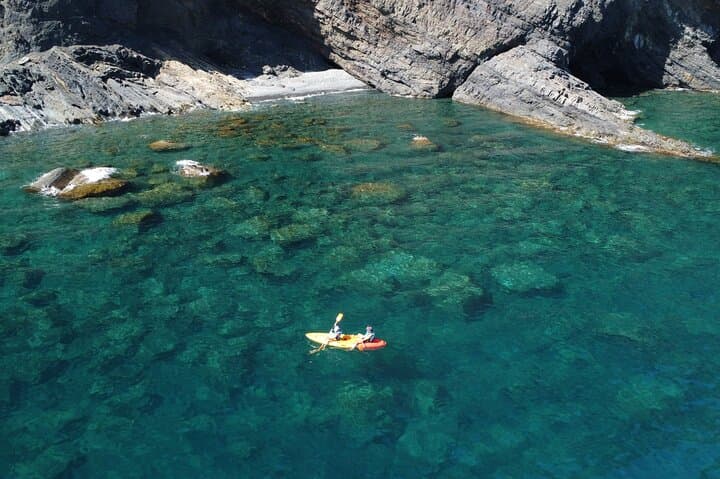


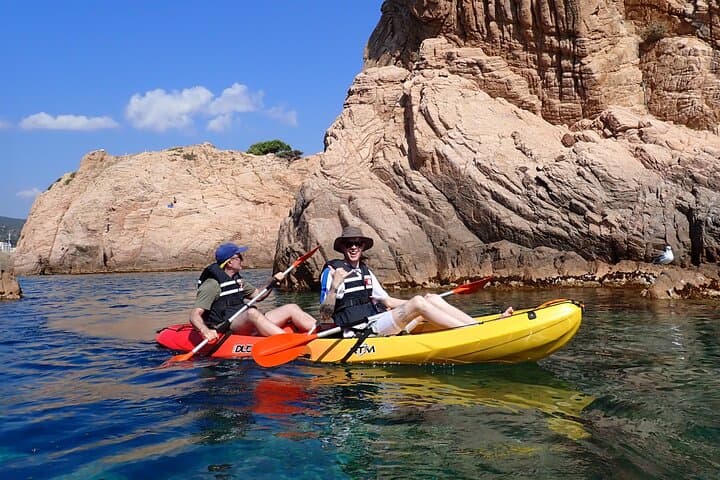
You push off from a pebble-strewn cove as the Mediterranean pulls at the bow, cliffs rising like fractured limestone walls that have seen centuries of wind and tide. The sea here dares you forward—clear, cool, and full of color—while islands and hidden coves pass by like chapters in a maritime map.
You push off from a pebble-strewn cove as the Mediterranean pulls at the bow, cliffs rising like fractured limestone walls that have seen centuries of wind and tide. The sea here dares you forward—clear, cool, and full of color—while islands and hidden coves pass by like chapters in a maritime map.
This stretch of the Costa Brava (meaning "rugged coast") owes its character to ancient marine terraces and Jurassic-era rock uplift. Fishing villages once relied on tuna and sardine runs; today small towns keep that nautical culture alive in simple bocadillos and boat-born traditions. The marine reserves off L'Estartit and nearby coves protect seagrass meadows and gorgonian fans, so snorkelers see more life than in unprotected zones.
Expect a balanced day: a 1.2–2 hour coastal transfer from Barcelona, a brief kayak lesson, a few hours paddling along rocky headlands, one or two guided snorkeling stops in protected water, and a local sandwich lunch. Terrain underfoot ranges from packed beach pebbles to sun-warmed rock ledges; water entries can be stepped or gentle back-rolls from a kayak. Swimming competency is required, and cliffs along the route invite optional jumps for confident swimmers.
Practical side: bring a swimsuit, water shoes, reef-safe sunscreen, and a dry bag. Hydrate before launch and leave valuables in the provided transport. Morning departures favor calmer water and clearer underwater visibility, while afternoons warm the air and the sand. For first-timers, follow guide briefings closely—the guides know current, tide, and the marine-life-rich spots where the Mediterranean feels alive.