THE ADVENTURE COLLECTIVE® · Independent discovery and booking for outdoor travel

A full-day guided visit to Corvo that combines a scenic boat crossing from Flores with an interpretive village walk and access to the volcanic Caldeirão. Expect calm pacing, wildlife sightings, and practical local insights.
A full-day guided visit to Corvo that combines a scenic boat crossing from Flores with an interpretive village walk and access to the volcanic Caldeirão. Expect calm pacing, wildlife sightings, and practical local insights.
You step off the short ferry and the Atlantic immediately rearranges the day: spray tasting of salt, a horizon of basalt cliffs, and the possibility of dolphins arcing alongside the hull.
Verified experiences and guided adventures in the surrounding area.
Operated by D. JuliaTours · Vila do Corvo, Azores
You step off the short ferry and the Atlantic immediately rearranges the day: spray tasting of salt, a horizon of basalt cliffs, and the possibility of dolphins arcing alongside the hull.
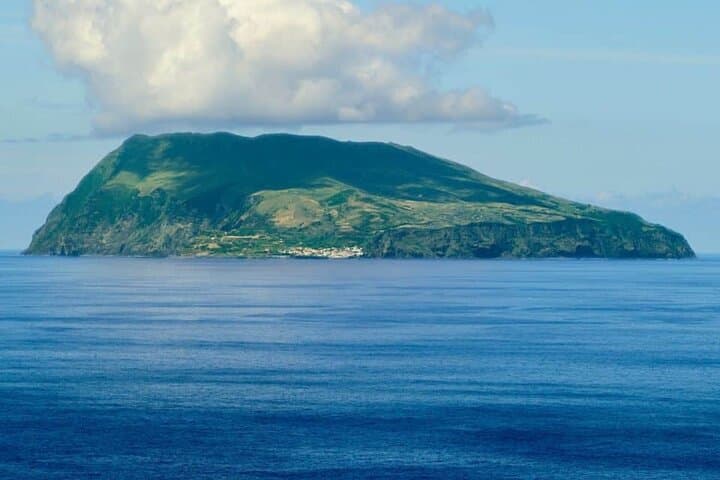
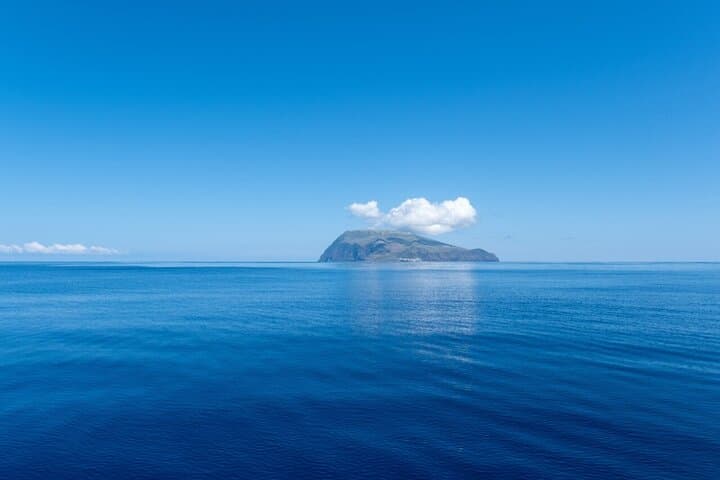
Corvo is the Azores’ smallest inhabited island and the island’s story is written in volcanic rock. The centerpiece is Caldeirão, a collapsed volcanic crater whose steep rim frames a freshwater lagoon—geology and community folded together. In Vila do Corvo the Ecomuseu and old coastal-watch sites recall a time when fishing and isolation shaped daily life; bilingual guides bring those details forward with practical context rather than romance.
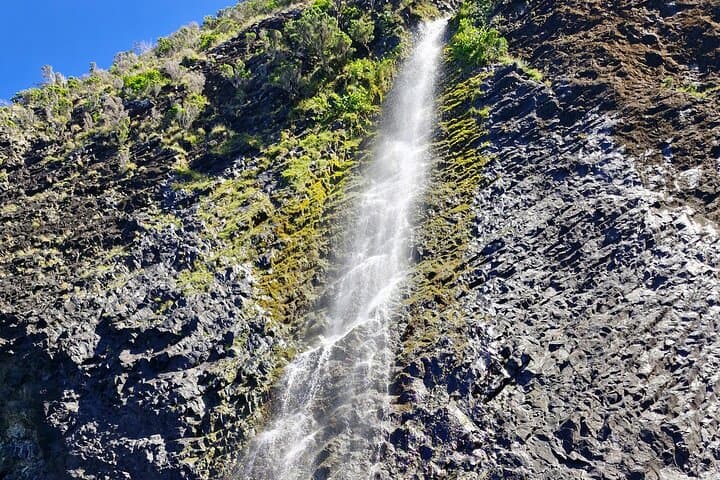
The tour stitches two kinds of travel: a sea crossing from Flores that doubles as wildlife watch and a calm, interpretive walk through the village and short local transfers to the crater rim. Expect a panoramic return by boat where sea caves and waterfalls on Flores are viewed from the water and guides explain safe viewing windows for the Caldeirão. The pace is deliberately unhurried—short walks, timed stops for photos and local stories rather than demanding hikes.
Plan around sea conditions: crossings can be postponed for safety, and mornings often offer the calmest waters. Wear layered, windproof clothing, bring motion-sickness remedies if you’re susceptible, and carry small change—Vila do Corvo is compact but services are limited. This is a day for attentive travel: listen to the guide, respect fragile habitats, and you’ll come away with a clear sense of why this tiny island feels like a place apart.
easy.
8–12 hours.
Suitable for most fitness levels; requires short walks and the ability to board a small passenger boat.
The crossing is short—typically under an hour each way depending on sea conditions; guides will confirm exact times.
No—access is by local transport with short, gentle walks to viewpoints; it’s suitable for most visitors.
Yes—boat crossings are subject to maritime authority rules; if seas are unsafe the operator may reschedule or offer alternative arrangements.
Yes—the guided interpretive circuit is conducted by a local bilingual (Portuguese-English) guide.
Corvo’s settlement and economy have been shaped by fishing, small-scale agriculture and centuries of maritime watchkeeping; the Ecomuseu highlights this island life.
The island’s habitats are fragile—stay on marked routes, avoid disturbing bird colonies, and follow guide instructions to minimize impact.
D. JuliaTours operates guided outdoor trips and adventures with an emphasis on safety, stewardship, and memorable experiences.
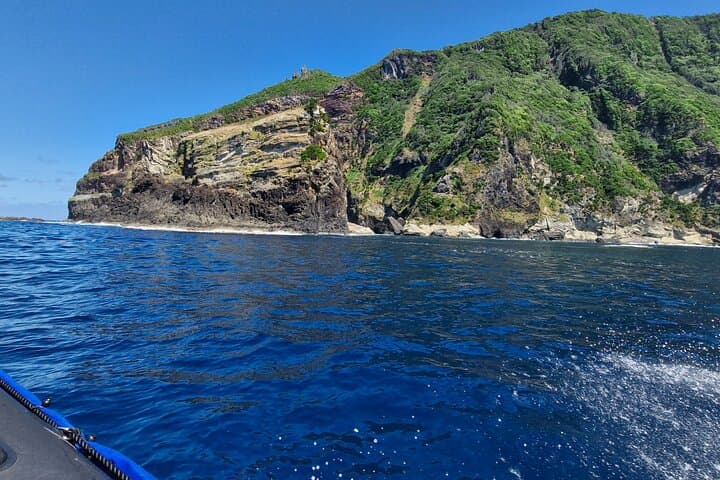
You step off the short ferry and the Atlantic immediately rearranges the day: spray tasting of salt, a horizon of basalt cliffs, and the possibility of dolphins arcing alongside the hull.
You step off the short ferry and the Atlantic immediately rearranges the day: spray tasting of salt, a horizon of basalt cliffs, and the possibility of dolphins arcing alongside the hull.
Corvo is the Azores’ smallest inhabited island and the island’s story is written in volcanic rock. The centerpiece is Caldeirão, a collapsed volcanic crater whose steep rim frames a freshwater lagoon—geology and community folded together. In Vila do Corvo the Ecomuseu and old coastal-watch sites recall a time when fishing and isolation shaped daily life; bilingual guides bring those details forward with practical context rather than romance.
The tour stitches two kinds of travel: a sea crossing from Flores that doubles as wildlife watch and a calm, interpretive walk through the village and short local transfers to the crater rim. Expect a panoramic return by boat where sea caves and waterfalls on Flores are viewed from the water and guides explain safe viewing windows for the Caldeirão. The pace is deliberately unhurried—short walks, timed stops for photos and local stories rather than demanding hikes.
Plan around sea conditions: crossings can be postponed for safety, and mornings often offer the calmest waters. Wear layered, windproof clothing, bring motion-sickness remedies if you’re susceptible, and carry small change—Vila do Corvo is compact but services are limited. This is a day for attentive travel: listen to the guide, respect fragile habitats, and you’ll come away with a clear sense of why this tiny island feels like a place apart.